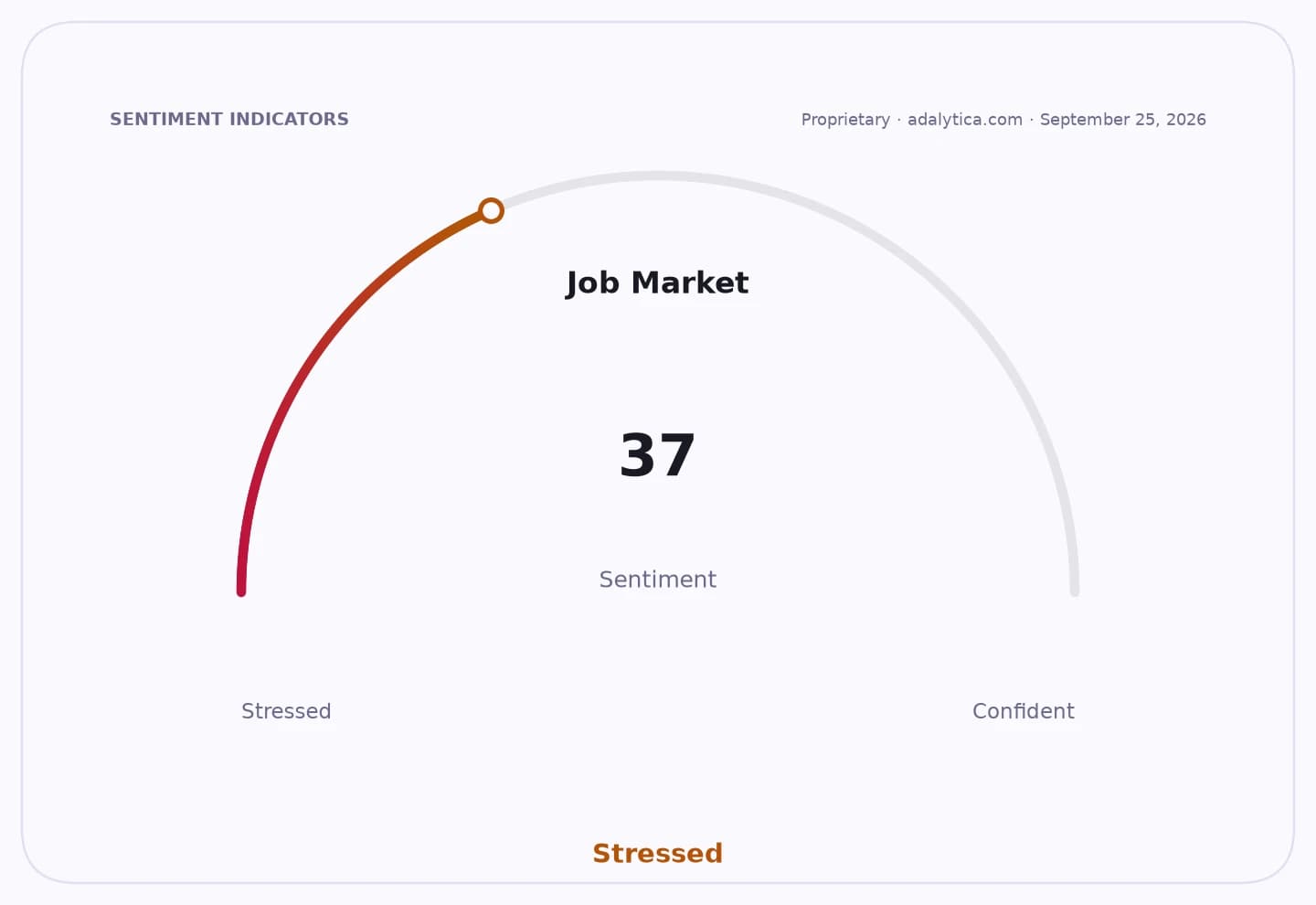
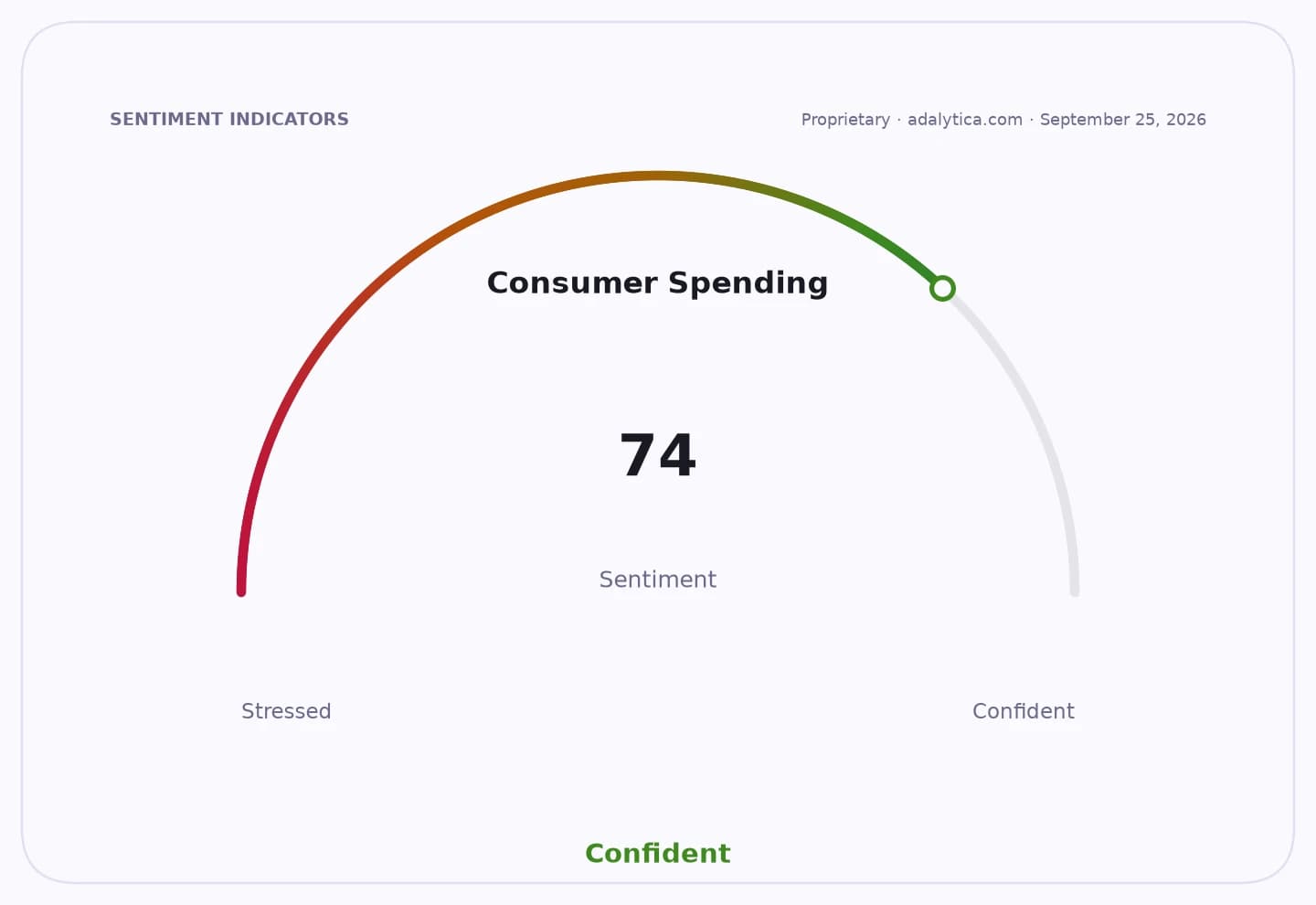
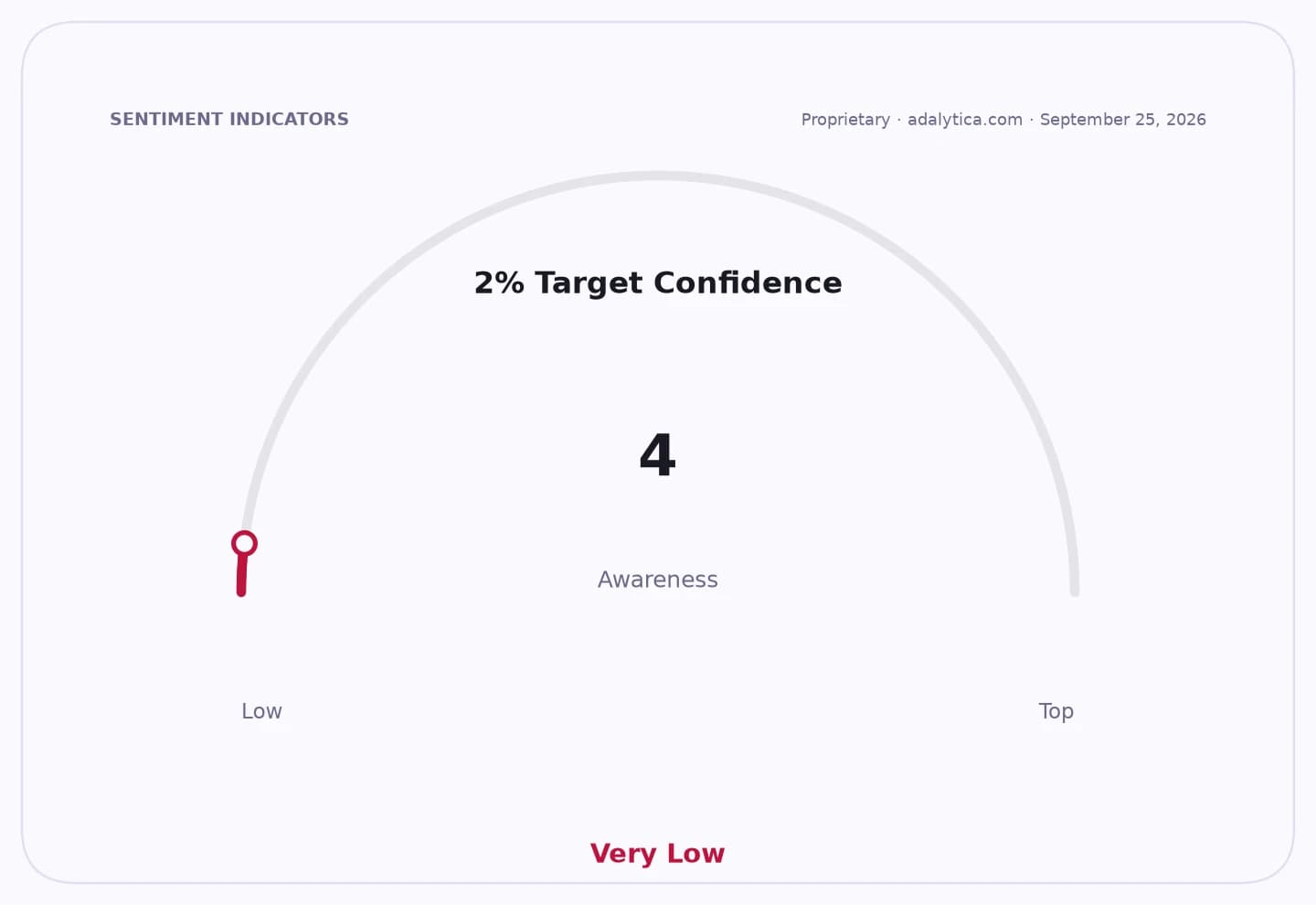
Mário Centeno’s warning that private-sector employment is “in regression” underscores a labor-market slowdown that matters far beyond one official’s remarks: softer hiring can cool growth, pressure wages and shift expectations for rates, spending and corporate earnings.
Weak Jobs Data Boosts Rate-Cut Bets
The concern lands as the U.S. labor market already shows signs of losing momentum. Payrolls rose by just 57,000 in June, according to the data context, while the unemployment rate held at 4.2%, a level that is still low by historical standards but no longer consistent with the robust job creation seen earlier in the cycle.
That mix is economically significant because employment has been one of the main buffers supporting consumer demand. When private-sector hiring weakens, households become more cautious, wage growth can ease and businesses tend to pull back on expansion plans, feeding a broader deceleration in GDP.
For investors, the signal cuts both ways. Slower job growth can strengthen the case for an easier Federal Reserve later this year, helping rate-sensitive assets such as Treasuries and growth stocks, but it also raises the risk that earnings forecasts for retailers, banks and cyclical names prove too optimistic if demand softens.
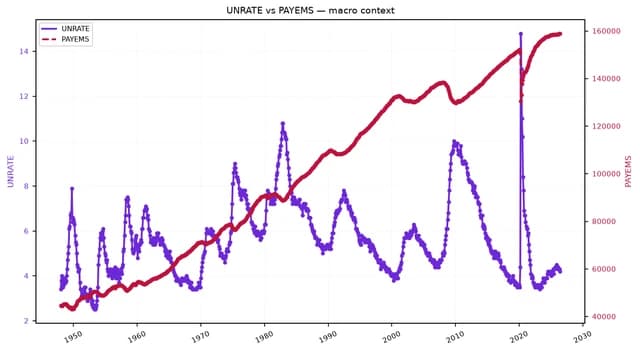
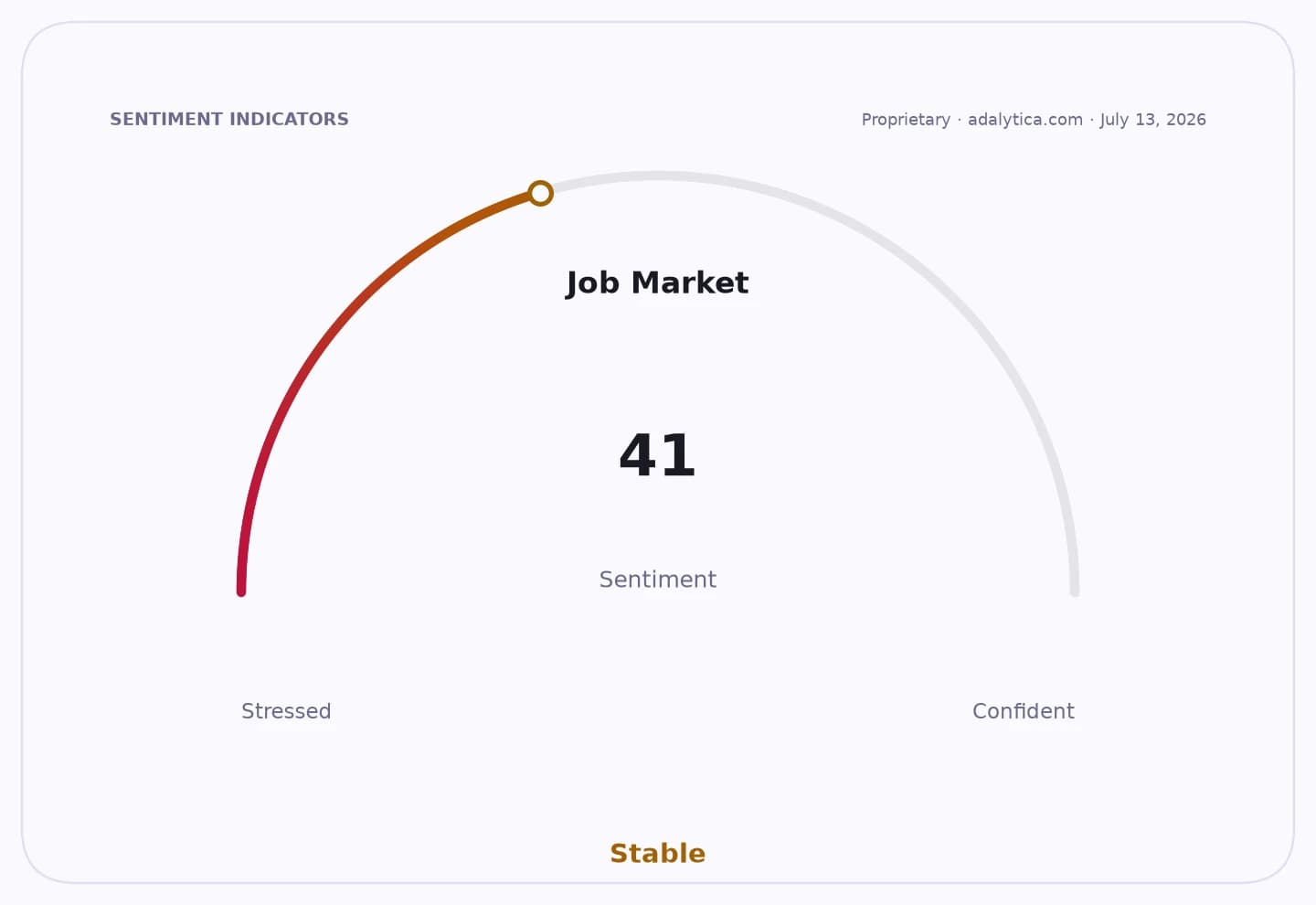
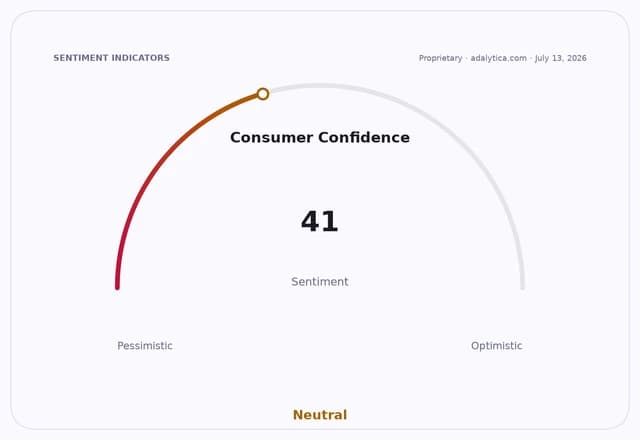
The broader backdrop points to a labor market that is still expanding, but barely. Nonfarm payrolls in the context continue to edge higher, yet job openings have also moderated, consistent with an easing hiring environment rather than a sharp collapse. Adalytica’s Job Market Sentiment gauge sits at 41, in neutral territory, but its 30-day slide suggests confidence around employment is deteriorating even if the hard data have not rolled over fully.
That is the narrative investors will watch into the next payrolls and inflation prints: whether the slowdown remains a soft landing, or turns into a more visible drag on spending, margins and policy. A further weak jobs report would likely reinforce rate-cut bets, while any rebound in hiring could push back against the idea that the private sector is already in regression.
| Entity | Gains | Losses |
|---|---|---|
| Rate-cut bets | ▲Higher odds of easing | ▼Less urgency if hiring rebounds |
| Bond bulls | ▲Softer labor data supports prices | ▼Hotter payrolls pressure yields |
| Consumers | ▲Easier borrowing costs ahead | ▼Weaker wage growth and job security |
| Employers/corporates | ▲Lower wage pressure | ▼Slower demand and sales growth |