Wheat Near Lows as Black Sea Supply Watch Continues

Wheat prices remain pinned near recent lows as traders bet that any easing in the Black Sea could keep export flows from Russia and Ukraine moving and add to already swollen global supplies.
That matters because wheat is trading against a more burdensome world balance sheet, with global supplies projected at 1.103 billion tonnes and ending stocks seen rising to 276.3 million tonnes. World trade is also forecast to slip to 211.8 million tonnes, underscoring how little room there is for a sustained price rally unless the Black Sea disrupts shipments again.
The latest U.S. outlook reflects that softer tone, even as domestic values get some support from corn. The government raised its 2026/27 U.S. season-average farm price forecast by 20 cents to $6.40 a bushel, citing firmer futures and cash expectations, while lifting white wheat exports by 20 million bushels and trimming Hard Red Winter and Hard Red Spring sales.
Global supply gains are being driven by better crops in major exporters. Australia’s wheat production was raised by 3 million tonnes to 31 million, Canada’s by 1 million to 36 million and Ukraine’s by 600,000 tonnes to 26 million on record yields, partly offsetting a cut in Kazakhstan.
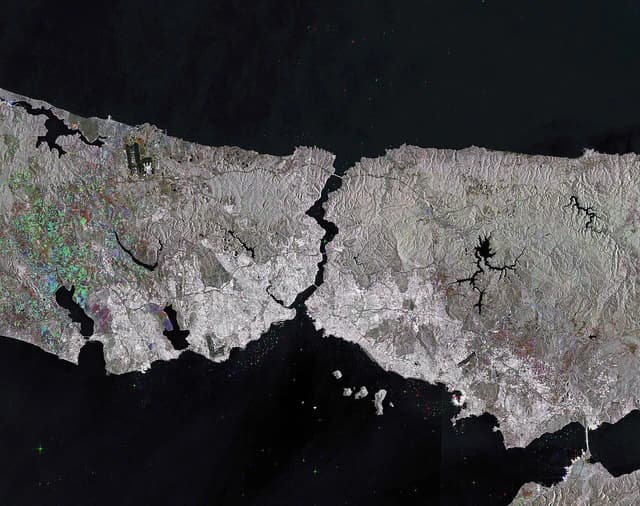
But the Black Sea remains the key wild card for investors. The region is still central to export availability, and logistics disruptions have already weighed on Russian and Ukrainian shipments, helping cap the recent rally in Chicago wheat futures and keeping price action fragile.
For investors, that leaves wheat caught between bearish fundamentals and headline risk. The Teucrium Wheat Fund, which tracks the grain, has held above its 50-day moving average, but the broader backdrop still favors range trading unless weather, policy or the Black Sea war changes the flow picture.
Market participants will now watch whether the diplomacy backdrop in the Black Sea translates into steadier exports, while demand from importers and any further revisions to crop forecasts could reset the next move in wheat.
| Entity | Gains | Losses |
|---|---|---|
| Global grain importers | ▲Lower wheat costs | ▼Less urgency to lock supplies |
| Black Sea exporters | ▲Better shipment flow | ▼Price premium from disruption |
| U.S. wheat farmers | ▲Firmer farm-price outlook | ▼Export competition from bigger global crops |
| Wheat bears | ▲Pressure from ample stocks | ▼Loss of upside on supply fears |