Wheat rises as corn sinks on acreage shift
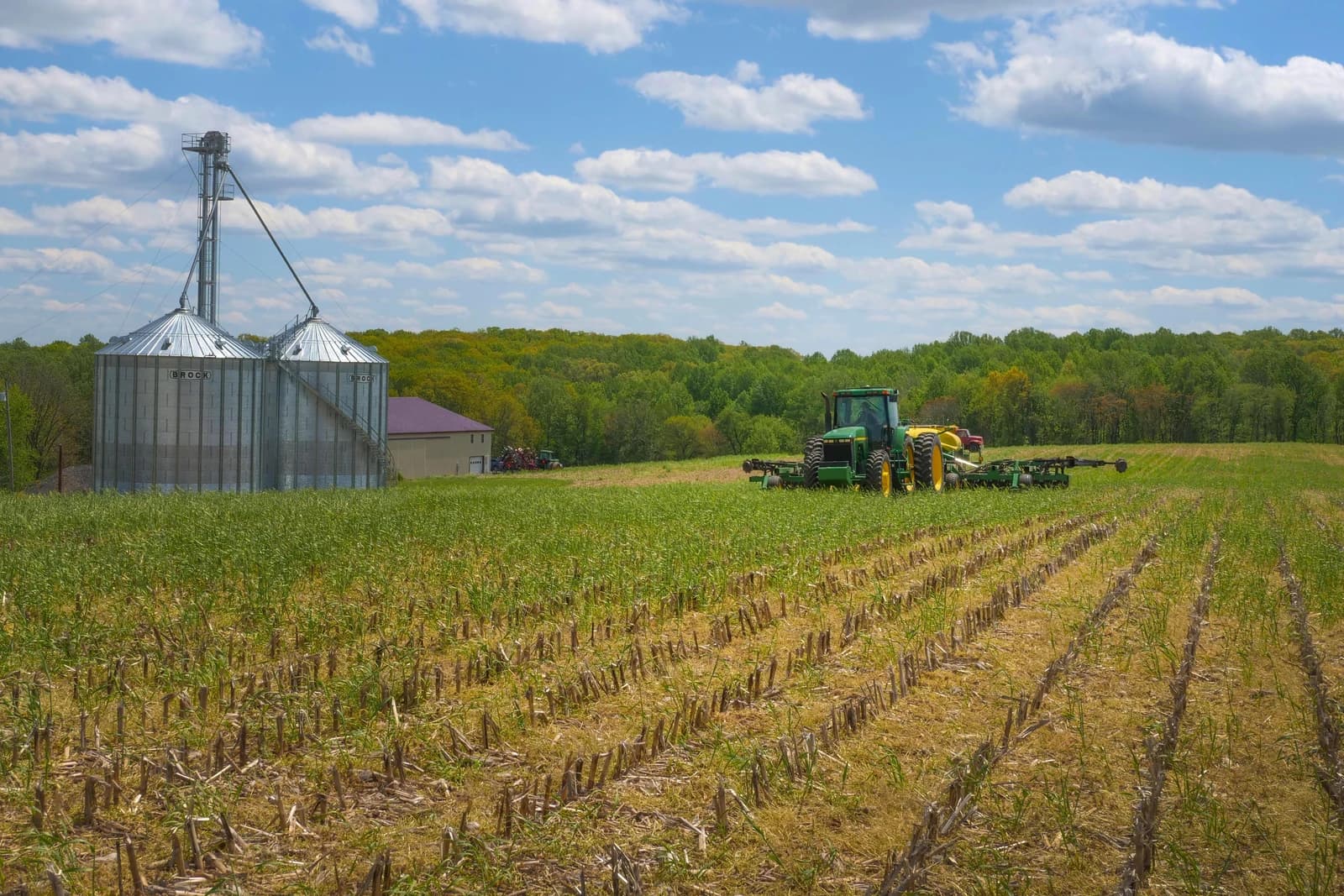
Wheat’s surge to record highs while corn sinks is the clearest sign yet that the grain market has entered a violent acreage reset, and investors should treat it as a supply-chain trade, not just a weather story.
The economic significance is immediate: when one staple rises to scarce levels and another falls out of favor, planting decisions, fertilizer demand, export flows and food inflation all start to shift. Farmers are already reorienting toward more attractive crops, which is exactly what happens when pricing power migrates across the agricultural complex. In other words, the market is re-pricing the next harvest long before it is grown.
The backdrop is brutal for wheat. The war in Ukraine has choked off Black Sea flows, removing a critical slice of global supply, while drought in Europe has tightened production further. That combination has helped push wheat to record territory and kept buyers scrambling for coverage. Corn, by contrast, is getting hit by relative oversupply and a weaker margin outlook, which is why growers are likely to pivot acreage toward alternatives with better economics.
That matters for investors because these moves ripple far beyond the farm gate. A wheat-led rally can support grain handlers, merchants and export infrastructure, while a corn slump pressures ethanol economics and weighs on producers tied to feed grains. At the same time, fertilizer names can become second-order winners if farmers chase yields and switch into crops that demand heavier input use. The market underestimates how quickly a planting rotation shift can re-route capital spending across the agricultural value chain.
Price action is confirming the stress. The WEAT wheat ETF has climbed to about $25.41, near its recent highs, with technical momentum still firm and its 50-day and 200-day moving averages both trending higher. Corn exposure through CORN has been far more choppy, with prices near $19.01, even as the fund’s 50-day average lags below the latest move. Adalytica’s corn fear-and-greed reading is flashing extreme greed, a sign that sentiment has become crowded even as the underlying crop mix is changing.
The macro overlay is just as important. U.S. inflation remains elevated, with the latest CPI running at 332.8, while producer prices for broad commodities have also stayed high. That means a wheat shock does not stay confined to futures screens; it can bleed into bread, feed, dairy, meat and packaged food pricing. If energy stays firm — WTI is still around $86 a barrel — the cost stack for food production gets even less forgiving.
This is why the real opportunity is not simply “buy wheat.” It is to position for the knock-on winners of a world where grain scarcity and crop rotation are reshaping global agriculture. I believe the best asymmetric trades remain in the picks-and-shovels of the food chain: grain merchandisers, fertilizer producers and logistics operators that gain from tighter supply, longer transportation routes and higher input intensity. If wheat stays scarce and corn stays cheap, the next leg of outperformance could come from the companies that move, store, fertilize and process the crop cycle rather than the farmers themselves.
The next catalyst is the planting and export outlook into the coming harvest season. If Black Sea disruptions persist and drought conditions keep trimming yields, wheat can stay bid longer than consensus expects — while acreage shifts away from corn may create a very different profit pool for agricultural equities than the market is pricing today. For investors, the message is straightforward: follow the rotation early, because in grains, the next bull market often starts in the field, not on the screen.
| Entity | Gains | Losses |
|---|---|---|
| Wheat producers | ▲Higher crop prices | ▼Volatility from supply shocks |
| Corn growers | ▲Potential acreage shift away | ▼Lower prices and margins |
| Grain merchandisers | ▲More trading flow | ▼Tighter risk management |
| Fertilizer makers | ▲Demand from crop rotation | ▼If acreage cuts deepen |