White House pushes drug pricing after strong jobs data
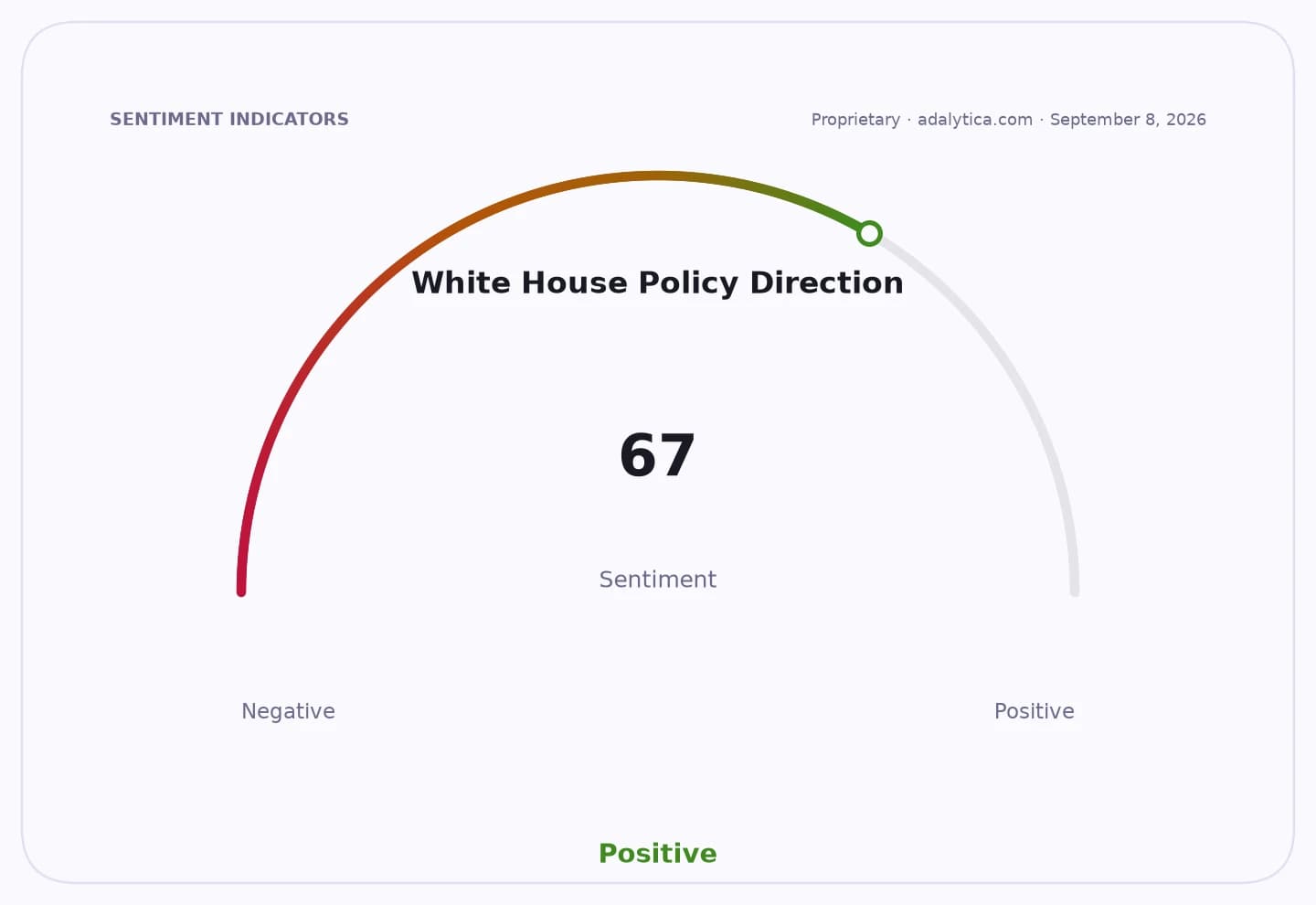
The White House is using Labor Day to frame a political and economic message that matters to investors: U.S. hiring is still holding up, while the administration is leaning harder into drug-pricing pressure that could reshape margins across the health-care supply chain.
The immediate economic backdrop is an August jobs report that came in stronger than expected, with payrolls rising by 162,000 and unemployment holding at 4.1%. Manufacturing added 16,000 jobs and construction 22,000, giving the administration a timely argument that its policies are supporting domestic industry even as the broader labor market cools from prior peaks.
That message lands at a delicate point for the economy. A labor market that is still adding jobs helps support consumer spending and reduces recession risk, but it does not eliminate concerns about inflation persistence or the uneven health of key sectors. The unemployment rate at 4.1% remains low by historical standards, suggesting the job market is still tight enough to keep pressure on wages and services demand. For investors, that supports cyclicals tied to employment and household income, while also complicating the path for rate cuts if inflation proves sticky.
At the same time, the White House is highlighting a push to lower prescription drug prices through its “Most Favored Nations” agreements. The administration says the framework now covers roughly 80% of commonly dispensed pharmacy medications and could save Americans $600 billion. If those claims hold, the implications extend well beyond politics: lower drug prices would ease some household cost pressure, but they would also squeeze pricing power for drugmakers, pharmacy benefit managers and parts of the distribution chain.
That helps explain the market relevance. Health-care shares have already been watching Washington closely, and the policy overhang is not abstract. Sector ETF XLV has recently traded near the top of a broad uptrend, while managed-care and pharmacy-related names such as IHE and broader consumer-staple defensives have also been active. The message from the administration raises the odds of continued volatility in branded pharma and drug-distribution margins, even as insurers and employers could benefit if lower list prices translate into lower claims costs over time.
The timing is also politically useful for President Donald Trump, who is seeking to connect labor strength with a cost-of-living message ahead of the midterms. But for markets, the more important point is that the White House is coupling a positive jobs narrative with an aggressive stance on health-care pricing. That combination supports the economy’s near-term resilience while increasing policy risk for pharmaceutical earnings and the wider U.S. health-care complex.
Investors will be watching whether the administration turns the Labor Day messaging into concrete follow-through on pricing agreements, and whether the jobs strength persists into the autumn. If employment continues to expand and drug-price pressure intensifies, the winners are likely to be consumers and some payers; the losers are companies dependent on higher pharmaceutical pricing and reimbursement.
| Entity | Gains | Losses |
|---|---|---|
| U.S. consumers | ▲Lower drug bills | ▼— |
| Employers and payers | ▲Lower health-care costs | ▼— |
| Drugmakers | ▲— | ▼Pricing pressure |
| Pharmacy benefit managers | ▲— | ▼Margin squeeze |