Wine prices rise as taxes and logistics squeeze margins
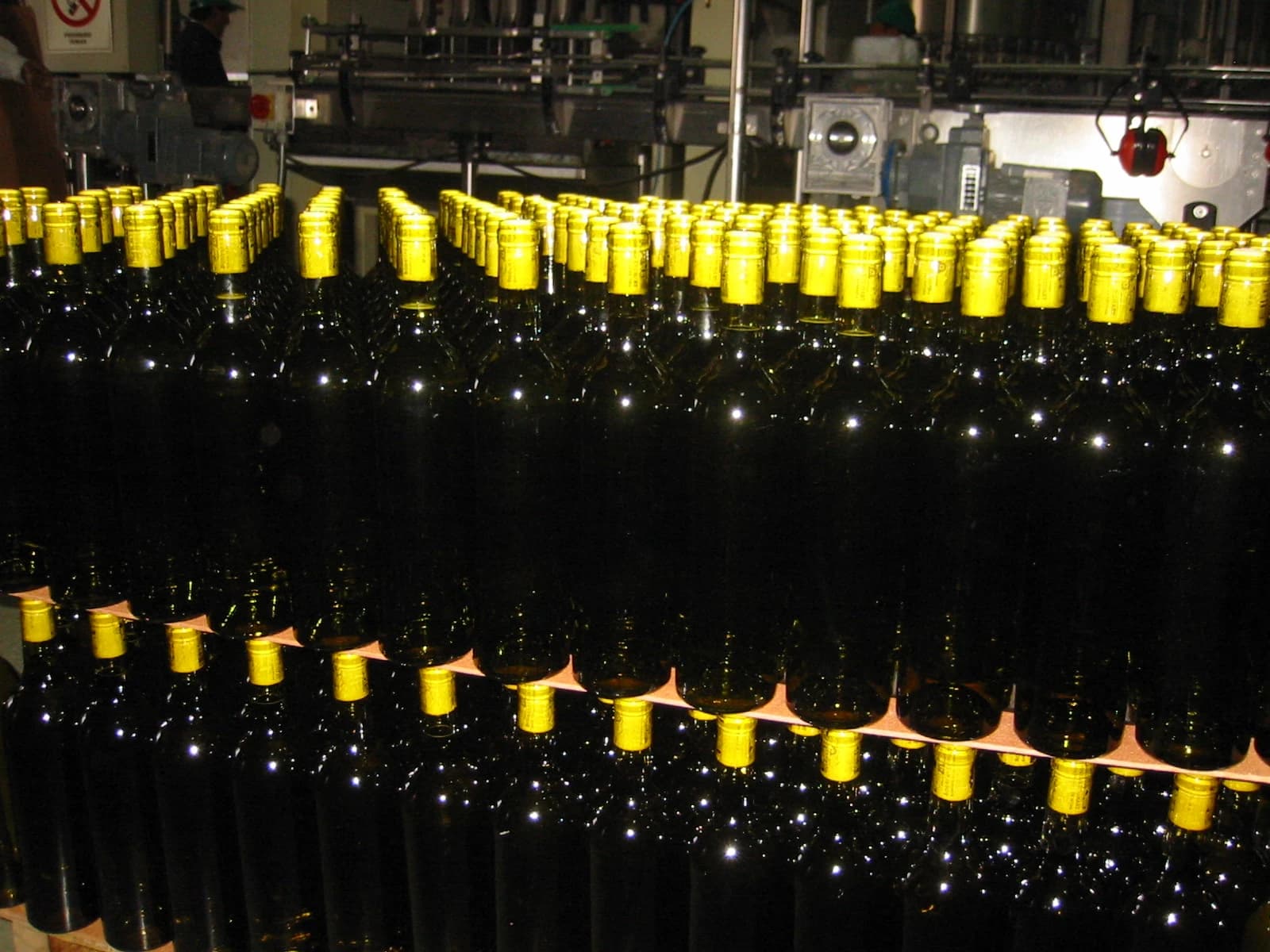
Wine is getting more expensive for reasons that have little to do with grapes and everything to do with the chain of costs layered on top of them, as producers warn that inputs, taxes and distribution margins now exceed the value of the product itself. That squeeze is raising shelf prices, pressuring demand and leaving wineries, distributors and retailers fighting over a shrinking share of the final bottle price.
The warning lands as food inflation remains sticky in Latin America, with consumer budgets already stretched by higher prices for staples and energy. In Lima, inflation rose 0.29% in July, and the broader message from the food and beverage sector is that shoppers are trading down, buying less or skipping premium products altogether.
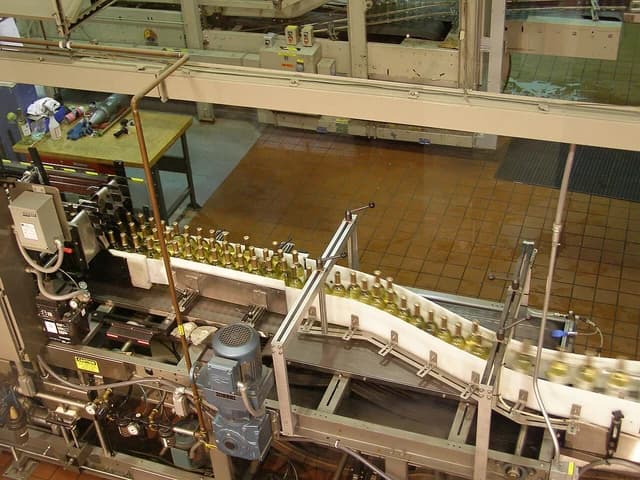
For investors, the problem is margin compression across the beverage value chain. When taxes and logistics take a larger slice of the bottle than the wine inside, pricing power shifts away from producers and toward governments, transporters and retailers. That makes volume recovery harder for wine companies and increases the risk that higher sticker prices further depress consumption.
The backdrop is already visible in corporate results. Constellation Brands has said tariffs have weighed on its wine and spirits shipments, while Coca-Cola FEMSA’s beverage business has faced persistent inflationary pressure in raw materials and operating costs. In the U.S. wine and beer markets, companies have responded with pricing, portfolio shifts and cost cuts, but the consumer has become more selective.
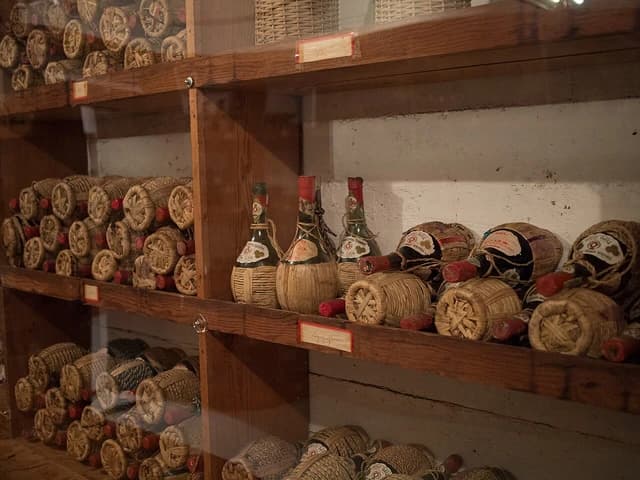
For listed wine and beverage names, the key question now is whether higher prices can hold without triggering another leg of demand destruction. If inflation in food and transportation stays elevated and distribution markups remain sticky, the sector’s recovery will depend more on cost discipline and premium brand strength than on broad-based consumption growth.
| Entity | Gains | Losses |
|---|---|---|
| Tax authorities | ▲Higher revenue | ▼Consumers and wineries |
| Distributors/logistics firms | ▲Wider margins | ▼Producers |
| Premium wine brands | ▲Some pricing power | ▼Mass-market labels |
| Budget-conscious shoppers | ▲Lower-end alternatives | ▼Wine consumption volume |