Woolworths Grocery Prices, NZ Food Inflation, Shares
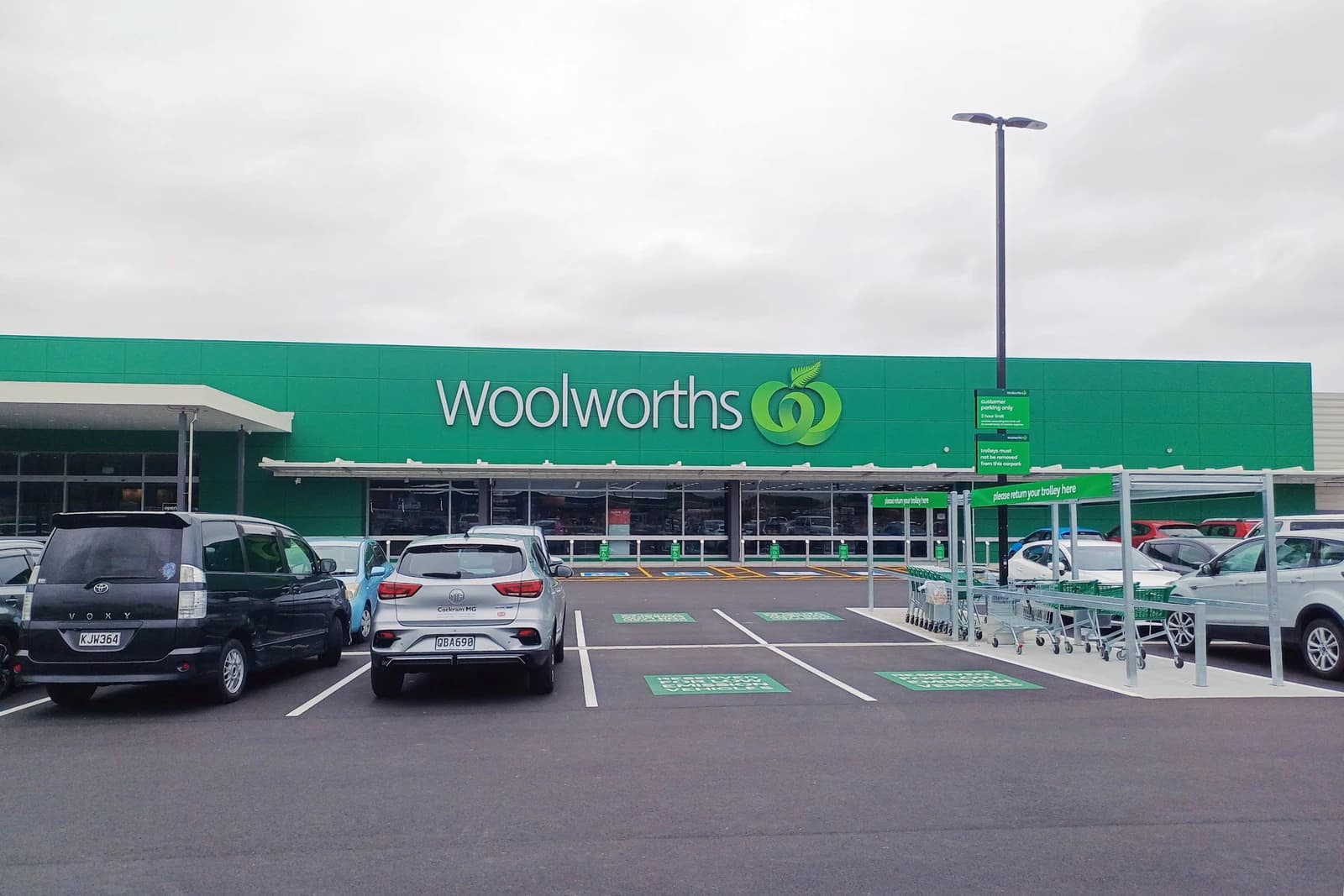
A comparison of a 1991 Woolworths grocery shop with today’s bill shows how sharply supermarket costs have risen, even after decades of productivity gains, tighter supply chains and repeated promises that competition would keep food affordable.
The point is not simply that prices are higher. It is that food has become one of the clearest and most persistent drains on household purchasing power, and that matters for New Zealand’s consumer economy, retailers and central bankers alike. When everyday staples rise faster than incomes, families cut back on discretionary spending, trading down to cheaper brands or reducing volumes. That pressure feeds directly into supermarket margins, raises political scrutiny of pricing power and complicates the inflation outlook.
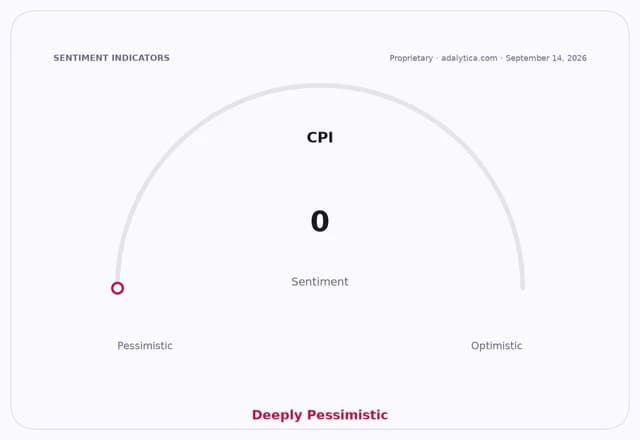
The broader macro backdrop reinforces the story. US CPI data in the context show consumer prices up about 40.7% from a 2026 base versus 2025, while producer prices have risen about 12.9% over the same comparison period, a reminder that cost pressures can work their way through the supply chain for months. In New Zealand, where groceries absorb a larger share of lower-income budgets than most other expenses, the cumulative effect is even more visible at the checkout.
Investors should read the receipt comparison as a reminder that food retail is a volume-and-margin balancing act, not a pure pricing story. Supermarket groups can pass through some cost inflation, but only up to the point where shoppers switch stores, cut basket sizes or seek promotions. That makes grocery operators’ earnings sensitive to the same forces now hitting consumer-facing businesses globally: sticky input costs, cautious households and intense scrutiny of market structure.
The listed prices of Woolworths Group and Wesfarmers, the owner of Coles, reflect that tension. Woolworths shares have fallen back to the high-30s from above 40 in recent weeks, with the 50-day moving average now above the stock and RSI readings around neutral, suggesting the market has cooled after an earlier run-up. Wesfarmers has also slipped sharply from July highs, with its price now well below the 50-day average and RSI in deeply oversold territory, underscoring how quickly sentiment can turn when investors worry about consumer weakness and margin compression.
The currency backdrop adds another layer. The New Zealand dollar has hovered around 0.58 to the US dollar, leaving imported food and household goods exposed to exchange-rate pass-through. A weaker currency can cushion exporters, but for shoppers it often shows up later as higher prices for imported essentials. That makes the grocery bill a direct transmission channel from global markets to domestic living costs.
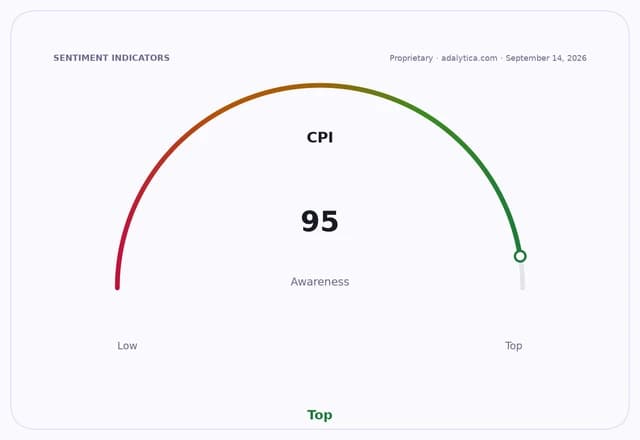
Adalytica’s consumer spending sentiment snapshot shows extreme greed even as CPI sentiment sits at extreme fear, an unusual split that points to households still spending but becoming increasingly sensitive to what they pay for it. For supermarkets, that can sustain turnover in the near term, but it also raises the risk that shoppers become more promotional, less loyal and more willing to punish pricing mistakes.
For investors, the lesson is that food inflation is not just a household complaint. It is a revenue driver, a margin risk and a political issue that can reshape supermarket competition, regulator attention and consumer confidence. If grocery prices keep climbing faster than incomes, the benefit will accrue to large incumbents with sourcing scale and pricing power, while smaller retailers, suppliers and stretched households bear the cost.
| Entity | Gains | Losses |
|---|---|---|
| Large supermarket chains | ▲More pricing power | ▼Higher political scrutiny |
| Consumers | ▲Trading-down options | ▼Lower purchasing power |
| Food suppliers | ▲Higher nominal receipts | ▼Demand destruction |
| Importers/households | ▲None | ▼Weaker NZD pass-through |