Woolworths Targets IGA Sites in Suburban Push
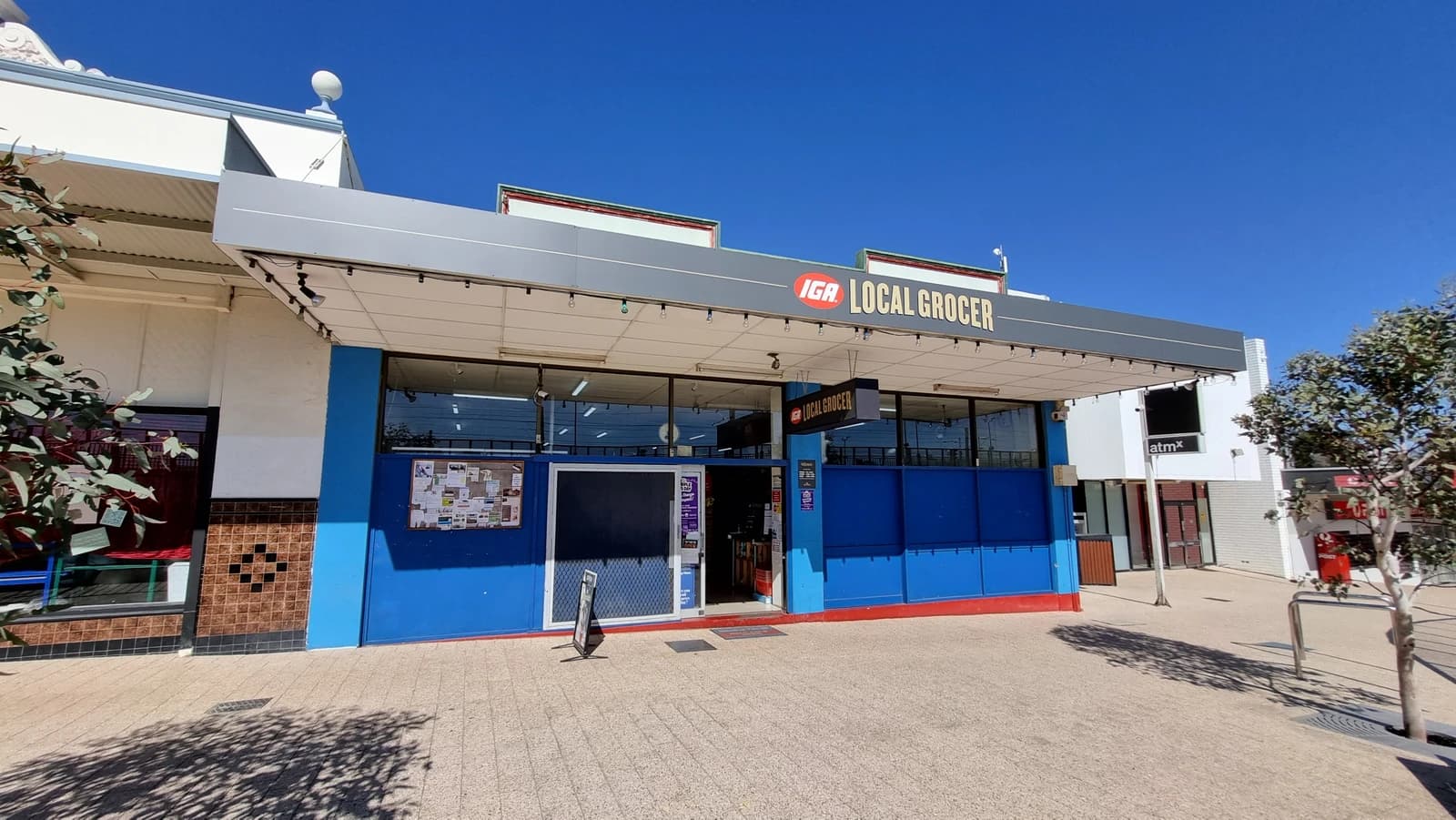
Woolworths’ push into suburban IGA turf is a reminder that Australia’s grocery battle is no longer just about fighting for the weekly shop — it is about who controls the local food network that households can’t easily live without.
For investors, that matters because grocery retail is a scale business with stubbornly thin margins. Every extra store, every better site and every stronger catchment can compound over years. In that sense, a “scouting squad” targeting IGAs is not a sideshow. It is a sign Woolworths wants to keep tightening its grip on convenience-led demand, even as Coles and independents fight to protect their own patch.
The market has already been telling a story of renewed confidence in Woolworths. The shares have climbed to about A$38.50 from around A$28 in January, a sharp move that suggests investors are rewarding the group’s ability to defend traffic, pricing power and store economics. The stock remains well above its 200-day moving average, though the recent slip back toward the 50-day line shows the rally has not been one-way.
Coles has also held up, but in a very different way. Its shares near A$23.23 reflect a steadier, less explosive run, with the company proving it can stay competitive without needing the same aggressive growth narrative. That is exactly why the Woolworths-IGA push matters: it is a signal that the biggest player in the aisle still sees room to attack.
The real economics here are simple. Grocery chains win by spreading fixed costs across more sales, locking in premium sites and keeping customers inside their ecosystem for as many trips as possible. A suburban IGA often sits on a valuable corner close to households that value convenience over price. If Woolworths can capture even a slice of that market, it strengthens the long-term earnings base of the business. If not, the effort still tells us the sector remains intensely competitive and site scarcity is becoming more important.
That makes the story relevant beyond the two listed giants. Independent grocers and franchise owners face a tougher landscape when a larger rival starts looking for their best locations. Suppliers may gain from higher volumes if Woolworths expands, but landlords and smaller chains could find bargaining power slipping. For consumers, the near-term effect could be more choice and sharper promotions. Over time, though, a more concentrated market can narrow local competition.
Woolworths’ recent price action also says investors are watching for more than quarterly earnings. They are looking for durability: free cash flow, store productivity and the ability to keep growing without destroying returns. That is why this kind of expansion strategy can matter for years, not just months. A chain that steadily improves its location portfolio can build an advantage that shows up slowly in margins, customer retention and market share.
The risk, of course, is overreach. Paying too much for sites, overestimating local demand or triggering a bruising price war can quickly dull the upside. And with technical readings now less stretched than they were earlier in the year, the stock may need fresh evidence of execution before it resumes a clean climb.
Still, the bigger takeaway is clear: Australia’s grocery war is not cooling off. Woolworths appears determined to keep pressing where it thinks it can win, and that is exactly the kind of behavior long-term investors want to watch. For buy-and-hold portfolios, it is a reminder that the most valuable retail businesses are often the ones that keep taking small, relentless steps to strengthen their moat.
| Entity | Gains | Losses |
|---|---|---|
| Woolworths | ▲site growth, market share | ▼higher leasing costs |
| IGA independents | ▲short-term interest | ▼traffic pressure |
| Coles | ▲sector pricing discipline | ▼less room to stand out |
| Consumers | ▲more choice, promotions | ▼weaker local competition |