Woolworths Ooshies campaign lifted cash and traffic
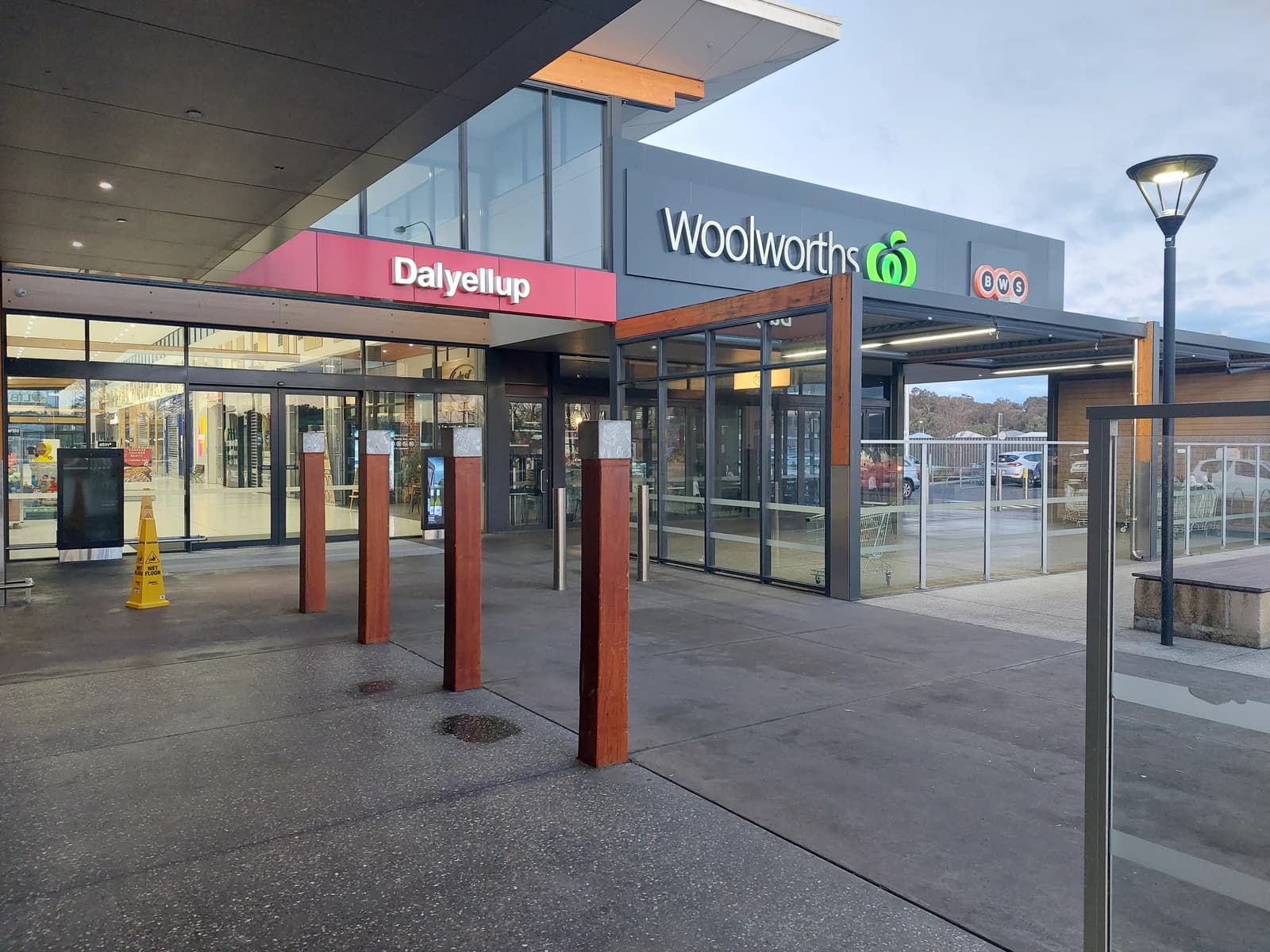
Woolworths turned a collectible toy promotion into a $165 million cash windfall, underscoring how supermarkets can monetise customer loyalty far beyond the grocery basket.
The result matters because it shows a retailer using scarcity, repeat foot traffic and brand buzz to generate revenue without relying on discounting alone. For Woolworths, the “Ooshies” campaign was not just a marketing gimmick: it became a high-margin commercial event that lifted ancillary income and helped deepen shopper engagement at a time when food retail remains fiercely competitive.
That kind of windfall is significant for investors because it changes the earnings mix. Supermarkets are usually valued on the durability of food sales, pricing power and cost control, but promotions like Ooshies can temporarily widen margins and improve cash generation. They can also strengthen customer loyalty, which matters in a sector where small gains in basket size and visit frequency compound quickly.
The share price action in Woolworths reflects that broader confidence. The stock closed at A$40.56 on Aug. 26, above its 50-day moving average of A$39.61 and well over its 200-day average of A$34.52, a sign the market has been willing to pay up for the company’s earnings resilience. At the same time, the recent pullback and only moderate RSI reading of 52.7 suggest investors are no longer chasing the stock as aggressively as earlier in the rally, leaving room for the next catalyst to be operational rather than promotional.
The Ooshies phenomenon also speaks to a wider retail lesson: in a low-growth consumer environment, emotionally sticky campaigns can be more powerful than traditional advertising. They create a sense of urgency that drives store traffic, social media attention and incremental purchases, all while keeping the customer inside the Woolworths ecosystem. The economics are straightforward — a toy giveaway that encourages repeated spend can deliver a return far in excess of its cost if the campaign is scaled properly.
The bear case is that such promotions are episodic and hard to repeat without diluting the novelty. They can also invite scrutiny if customers see them as manipulative or if execution problems leave families frustrated. The bull case is that Woolworths has shown it can convert customer engagement into monetisable scale, giving it a marketing edge over rivals that rely more heavily on price.
For investors, the key question is whether Woolworths can translate one-off hype into a more durable uplift in shopper loyalty, basket economics and supplier-funded promotional income. If it can, the Ooshies play may be remembered less as a toy craze than as a proof point that modern grocery retail can still find profitable growth in brand theatre.
| Entity | Gains | Losses |
|---|---|---|
| Woolworths | ▲Extra cash flow | ▼Promotion costs |
| Shoppers | ▲Collectible access | ▼Spend more to complete sets |
| Rivals | ▲— | ▼Traffic and attention |
| Investors | ▲Higher margin potential | ▼Repetition risk |