The 2026 FIFA World Cup is set to reshape U.S. business activity, with the event trimming production capacity by about $7.11 billion even as it funnels spending toward hotels, casinos, sports books and live entertainment operators.
World Cup Could Lift Leisure, Hedge-Flow Names
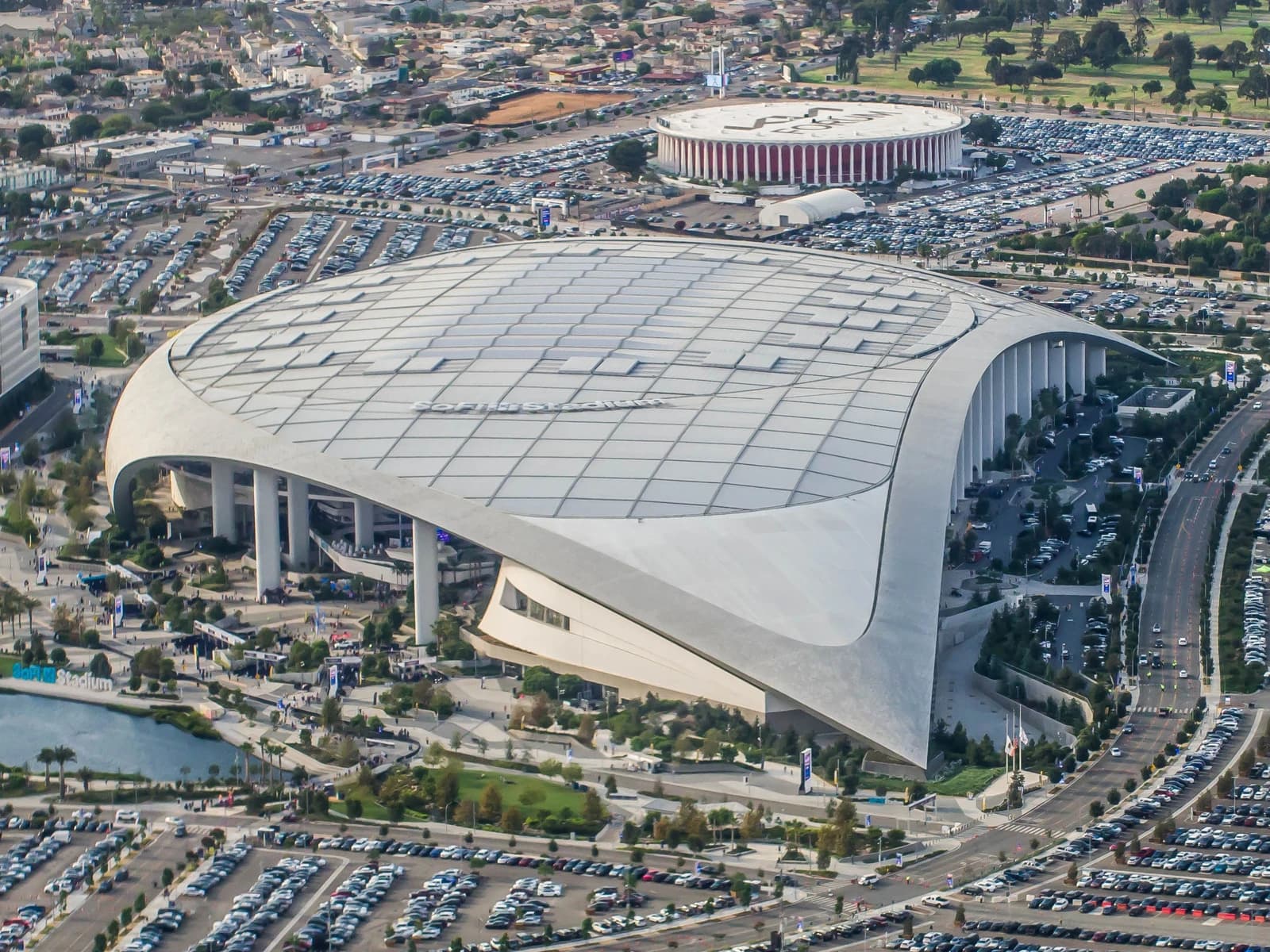
That hit matters because the tournament concentrates demand rather than creating new demand across the economy. For investors, it means winners will likely be concentrated in hospitality, ticketing, gambling and event-driven services, while broader productivity and some corporate operations absorb disruptions from travel bottlenecks, staffing shifts and event-day outages.
Sentiment IndicatorsⓘProprietary · adalytica.com · July 18, 2026
This is a snapshot — live sentiment, awareness and momentum for 130+ markets update continuously in the dashboard.Open AlphaPulse
The macro backdrop is still supportive enough to cushion the blow. U.S. GDP is forecast to rise to $32.36 trillion in April 2026 from $31.87 trillion in January, while unemployment is projected at 4.18% in July, suggesting the labor market remains resilient even as the tournament imposes temporary strain on output.
The clearest equity read-through is in leisure-linked names. MGM Resorts has jumped to $46.13 from $34.55 in September, and its share price now sits well above both the 50-day and 200-day moving averages, while its relative strength index has cooled from overbought levels, implying the stock has already priced in much of the near-term enthusiasm. Live Nation has also rallied to $180.22 from $145.71 in late March, reflecting expectations that major sports and entertainment calendars keep pushing consumers toward live events.
The casino and market-structure angle is also notable. CBOE Global Markets has swung sharply lower from its May peak above $365, but it remains above its 200-day moving average, and its options business is still the biggest driver of revenue, according to recent filings. That matters if World Cup-related hedging and event volatility lift derivatives volumes even as the broader market stays uneven.
Adalytica’s S&P 500 trade signals show neutral sentiment and neutral awareness, while the U.S. dollar trade signals also sit in neutral territory, underscoring that the market has not yet fully repriced the World Cup’s second-order effects on spending, staffing and flows. If the tournament draws more inbound travel and discretionary spending than expected, that could further support leisure names; if business disruption is worse than forecast, the drag will show up in productivity-sensitive sectors first.
The next catalyst is the tournament itself, along with early signs from hotel occupancy, casino receipts, airfare, advertising, and event-related option activity as companies and traders gauge whether the World Cup is proving to be a temporary boost for consumer-facing stocks or a broader cost to U.S. output.
| Entity | Gains | Losses |
|---|---|---|
| MGM Resorts | ▲Higher casino and hotel demand | ▼Operating disruption from event logistics |
| Live Nation | ▲More live-entertainment spending | ▼Capacity strain and crowding costs |
| CBOE Global Markets | ▲Higher options/hedging activity | ▼Less benefit if volatility stays muted |
| U.S. businesses | ▲Event-related revenues in select sectors | ▼About $7.11B in capacity/output |




