WTI Crude Above $118 as Inflation Hits 14.5%
Energy and transport costs are doing the heavy lifting in the latest inflation surge, and that matters because it keeps price pressure embedded in the parts of the economy that are hardest for policymakers to reverse. The result is a 14.5% inflation reading that threatens household purchasing power, complicates central bank easing bets and keeps investors leaning into real assets and defensive cash flows rather than duration-sensitive risk.
What makes this move economically important is that fuel tends to leak quickly into the rest of the price basket. When oil spikes, freight, air cargo, ground shipping and eventually consumer goods all feel it. That is why a shock in energy can be more persistent than a one-off rise in food or services. The broader message is simple: inflation is not dead, and the market is being forced to price a world where transport and fuel remain a recurring tax on growth.
The setup is visible across markets. U.S. crude has swung violently, with the West Texas Intermediate benchmark trading above $118 after touching $120.10 in recent sessions and still well above its long-term average. Energy shares have held up better, with the Energy Select Sector SPDR fund near $57.50, above its 200-day moving average, while transport stocks remain more fragile. The iShares Transportation Average ETF has recovered from earlier weakness to about $87.23, but it has not regained the kind of momentum that would suggest costs are easing fast enough to restore margin relief.
That matters for investors because fuel inflation changes the earnings map. Oil producers, refiners and integrated energy companies gain pricing power when crude rises, while airlines, parcel carriers and shipping firms absorb the hit unless they can fully pass it on. UPS disclosed in its latest filing that fuel surcharge revenue increased about $575 million in the quarter, underscoring how quickly higher fuel costs flow through to transport economics. FedEx and Delta have also warned that elevated fuel and inflation pressures can weaken demand and squeeze yields if surcharges are not enough.
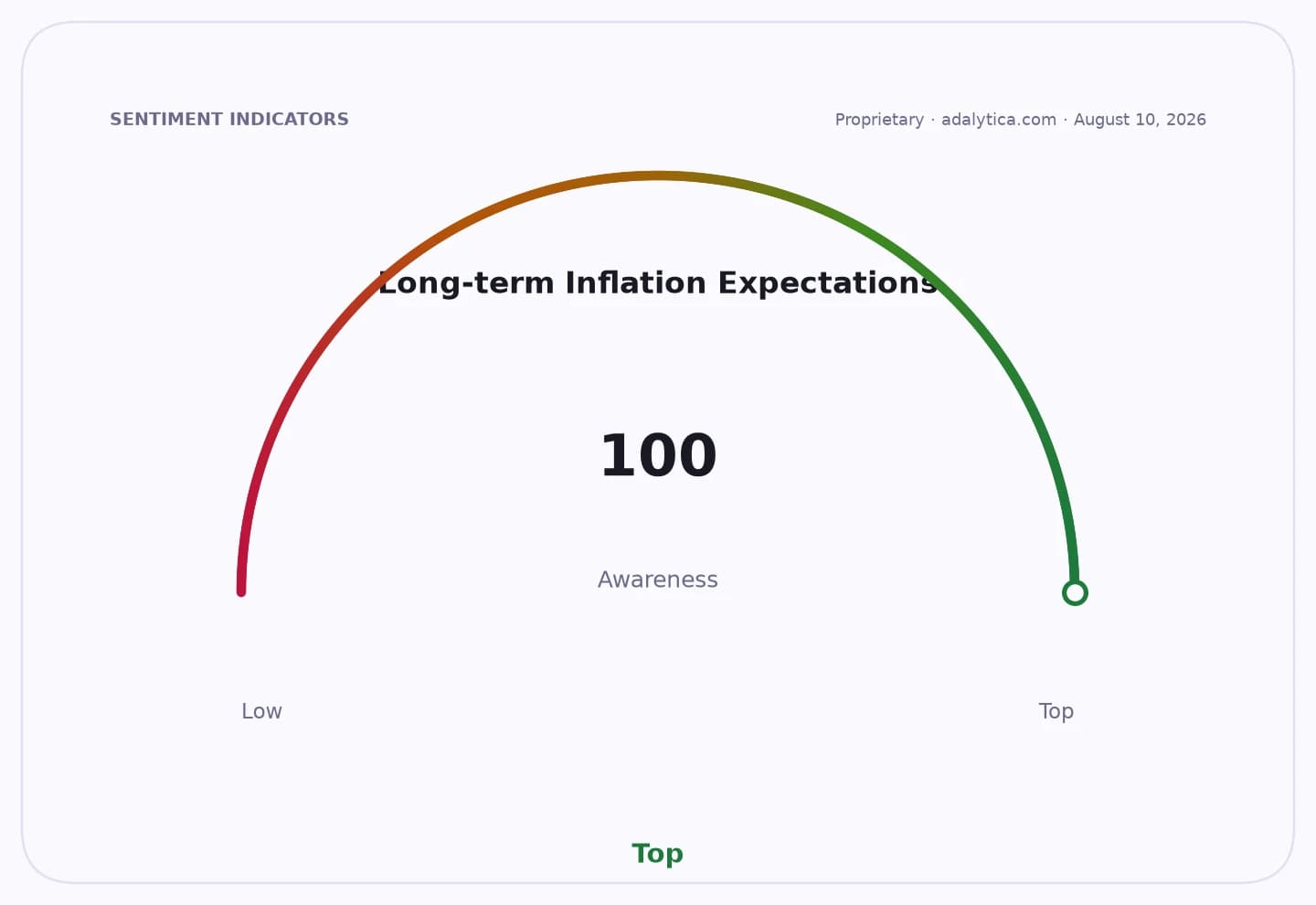
The bond market is sending a similar warning. The 10-year Treasury yield has climbed to 4.63%, a level that reflects both persistent inflation risk and less room for the Fed to deliver aggressive easing. Adalytica’s Long-Term Inflation Expectations gauge remains elevated in awareness terms, while confidence in the Fed’s 2% target has slipped sharply. That combination usually means investors should be more selective: inflation beneficiaries can keep outperforming, but long-duration growth assets remain vulnerable if policymakers have to stay restrictive longer than expected.
For now, the trade is not just about headline inflation; it is about the second-order winners and losers from a cost shock that hits fuel, freight and consumer prices at once. Energy exposure still looks like the cleaner inflation hedge, while transport-heavy businesses face a tougher margin backdrop unless demand stays strong enough to absorb surcharges. If oil stays elevated, this inflation wave could last long enough to reset both rate expectations and sector leadership.
| Entity | Gains | Losses |
|---|---|---|
| Energy producers | ▲Higher realized prices | ▼None |
| Refiners and integrated oil firms | ▲Wider margins, pricing power | ▼Transport costs |
| Airlines and parcel carriers | ▲Fuel surcharge recovery | ▼Margin pressure |
| Treasuries and rate-sensitive growth stocks | ▲None | ▼Higher yields, lower valuations |