WTI Crude Tops $93 on Hormuz Shipping Fears
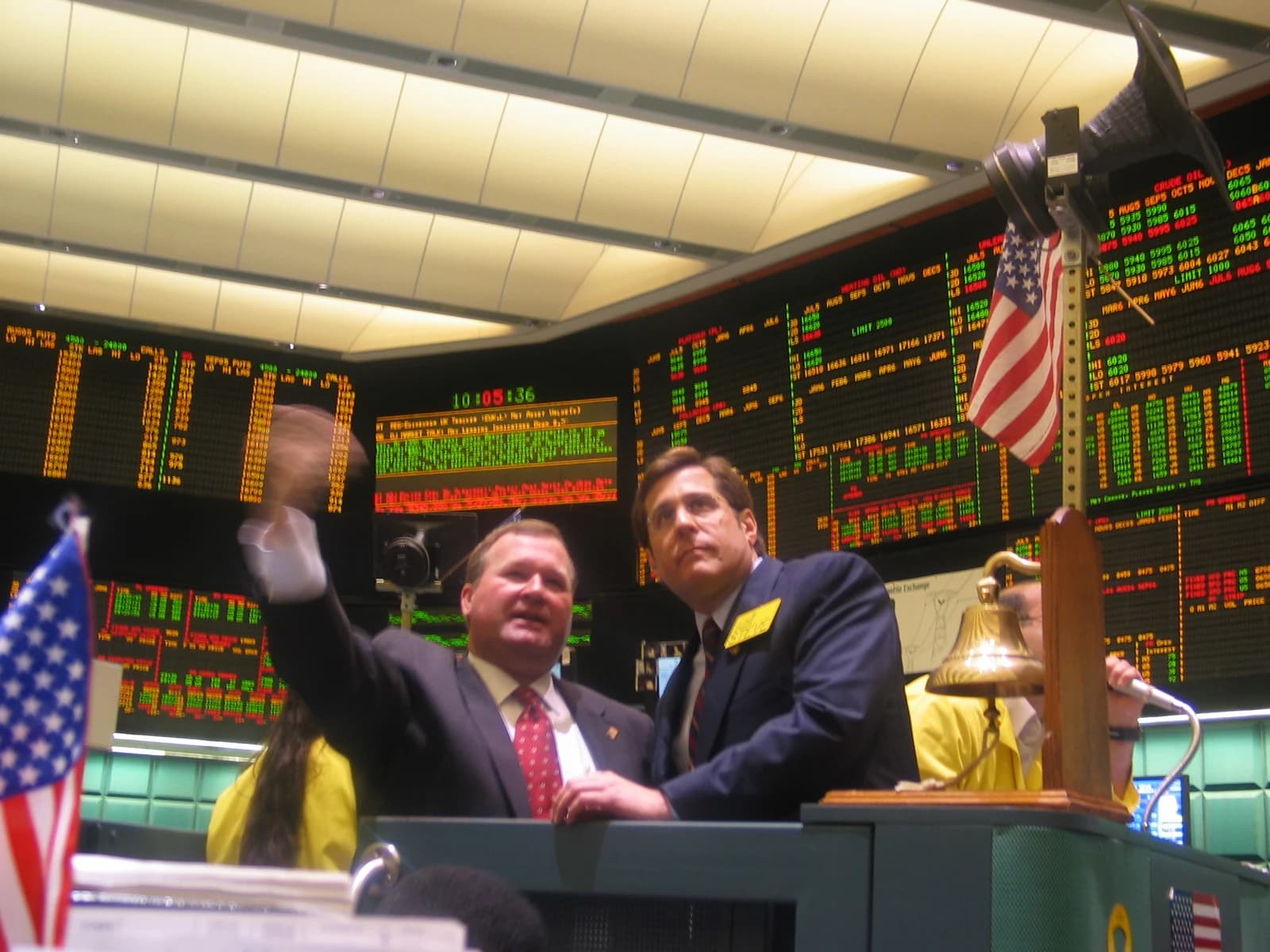
WTI crude climbed above $93 a barrel on Monday as Iran moved to tighten restrictions around the Strait of Hormuz, sharpening fears of a supply disruption in the world’s most important oil chokepoint and sending fresh signals through global energy and Latin American export markets.
The move matters first because it is lifting the market’s risk premium before any large physical outage has occurred. WTI touched an intraday high of $93.03, up sharply from $83.40 on Aug. 28, as traders priced in the chance that shipping through Hormuz becomes slower, more expensive or unsafe amid escalating military clashes between the United States and Iran. In a market that has already been whipsawed by geopolitical shocks this year, the speed of the rally suggests the key driver is not current supply tightness, but the market’s fear that supply could be interrupted.
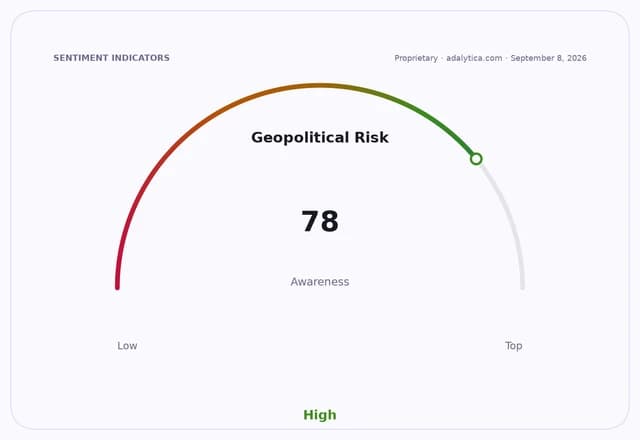
That matters economically because Hormuz handles a critical share of global energy flows, and even a partial disruption can ripple through freight, insurance and refining costs well before barrels are actually removed from the market. Data from Kpler cited by Reuters showed an average of only 10 cargo ships a day crossed the strait over the past 10 days, the weakest pace since May, while just two vessels passed on Saturday. The reduced traffic does not mean the world is running out of oil, but it does mean buyers are being forced to pay up for uncertainty. Goldman Sachs has said a further escalation could push Brent to $120 a barrel, underlining how quickly prices can re-rate if shipping risks worsen.
For investors, the price action reinforces the asymmetry in energy: producers and energy-linked assets gain from the shock, while importers and fuel-sensitive industries face margin pressure. The WTI move should support crude-exporting governments and producers in the near term, including Ecuador, where the benchmark directly affects export receipts. A sustained move above $90 would improve the value of each barrel sold abroad and could bolster state revenue at a time when many commodity exporters remain fiscally constrained.
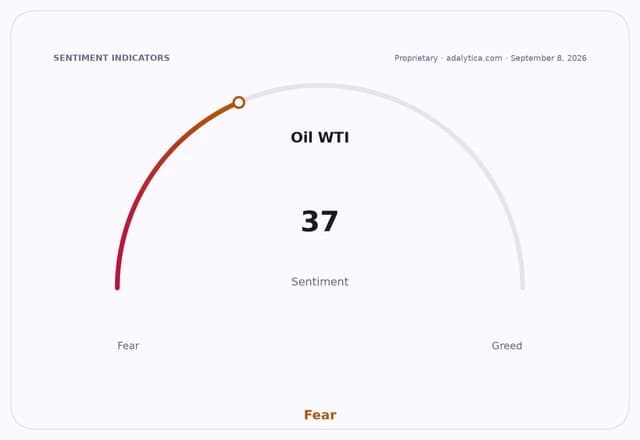
But the same rally raises the cost of importing refined products, which is the other side of the equation for Ecuador. The country buys derivatives in international markets, so a prolonged period of elevated crude prices can feed higher import bills and increase pressure on public finances. That is especially relevant now because gasoline Extra, Ecopaís and premium diesel are scheduled for a fresh monthly review. The domestic pass-through is not automatic, though, because fuel prices are governed by adjustment mechanisms that limit how much can move in any one month.
The broader narrative is that geopolitics has overpowered the recent demand-driven weakness in oil. Weak Chinese consumption had kept prices contained earlier in 2026, but the market is now focused on whether the Middle East conflict becomes a transport crisis rather than just a headline risk. OPEC+ added to the tension by leaving production policy unchanged for October, leaving the burden of balancing the market on geopolitics, shipping flows and inventories rather than on a near-term output response.
For now, the bullish case is that crude can stay firm as long as Hormuz remains constricted and freight risks remain elevated. The bearish case is that if the conflict cools or shipping normalizes, the market could quickly unwind part of the risk premium, particularly if demand concerns return. For Ecuador, the next few sessions matter less for the immediate pump price than for the durability of the rally: a short spike would mainly lift export revenues, while a prolonged one would increasingly filter into import costs, subsidies and inflation-sensitive sectors.
| Entity | Gains | Losses |
|---|---|---|
| Ecuador oil exporters | ▲Higher export receipts | ▼Greater fuel import costs |
| Global energy producers | ▲Stronger crude prices | ▼Refiners and fuel buyers |
| Shipping and insurers | ▲Higher freight premiums | ▼Oil importers |
| Consumers in Ecuador | ▲Limited near-term pass-through | ▼Higher subsidy pressure |