WTI Rises on Iran Tensions and Tight Inventories
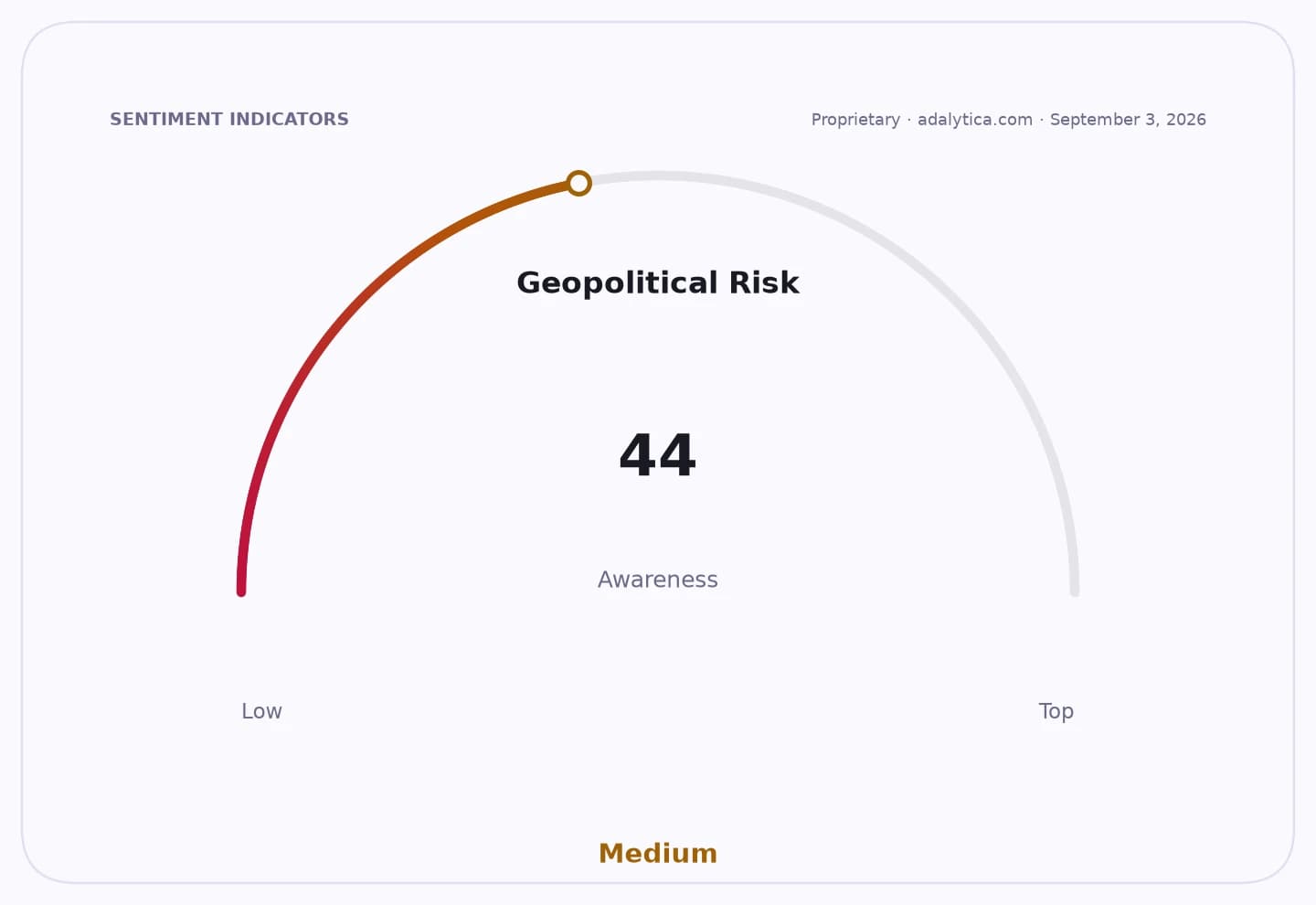
West Texas Intermediate rose to a five-week high as renewed US-Iran hostilities, shrinking crude stocks and depleted storage at Cushing and the Strategic Petroleum Reserve tightened the market even as US output stayed at record levels.
The rally matters because it is being driven less by a single headline and more by a genuine supply-risk premium layered on top of already lean inventories. That combination leaves refiners, fuel distributors and consumers more exposed to any disruption in the Middle East, especially if fighting around the Strait of Hormuz deepens.
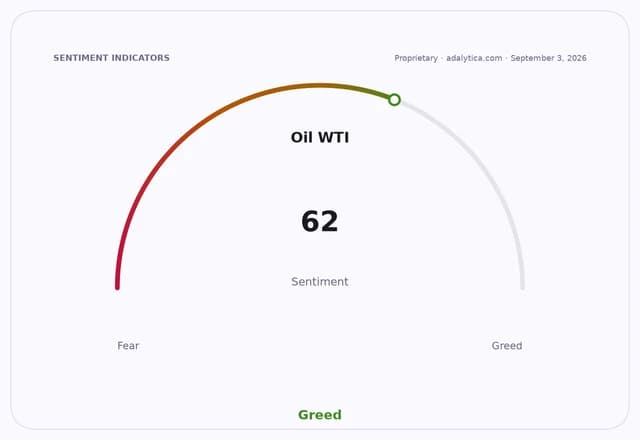
WTI topped $92 overnight and was holding near $90 a barrel after the US launched a second day of strikes on Iran, prompting retaliation against US positions in Jordan, Bahrain and Kuwait, where American forces are based. Brent briefly traded above $96 before easing, reflecting a market still highly sensitive to the chance of further escalation and shipping disruptions.
The move comes as the market is already working with thinner buffers. US crude inventories fell for the first time in five weeks, gasoline stocks kept drawing down and distillate inventories rebounded only modestly after five straight declines, while East Coast distillate supplies sank to record lows and West Coast supplies hit the lowest since May 2025.
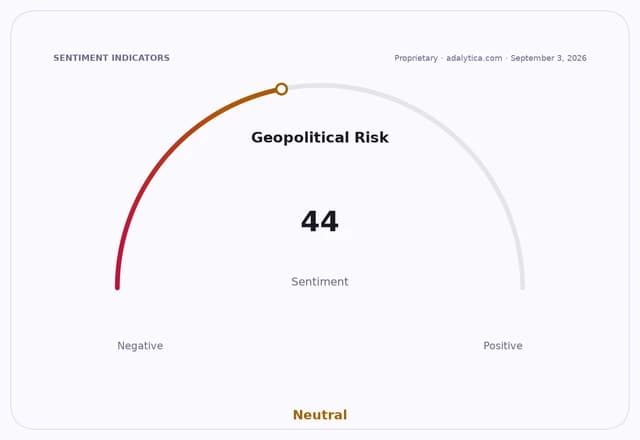
Storage constraints are adding another layer of tension. Market participants say Cushing and the SPR are effectively at “tank bottoms,” limiting the system’s ability to absorb a shock even as US crude production has returned to record highs and refinery runs have climbed to the strongest level in seven years.
That balance helps explain why oil shares and energy-linked funds are outperforming broader market sentiment on days when geopolitical risk spikes, while airlines, transporters and other fuel-intensive industries face higher input costs and wider margin pressure. A sustained move above $90 would also keep inflation expectations sensitive, complicating the outlook for rates and consumer spending.
The immediate test is whether Washington and Tehran widen the conflict or whether shipping through Hormuz stays intact. Traders will also watch weekly US inventory data, any further damage to regional energy infrastructure and whether high production can offset the geopolitical premium.
| Entity | Gains | Losses |
|---|---|---|
| Oil producers | ▲Higher realized prices | ▼Greater geopolitical risk |
| Energy stocks | ▲Stronger cash flow outlook | ▼Volatility if supply normalizes |
| Refiners/fuel users | ▲— | ▼Higher feedstock and fuel costs |
| Consumers/importers | ▲— | ▼More expensive gasoline and heating fuel |