Xiaomi Xring chip uses TSMC for production
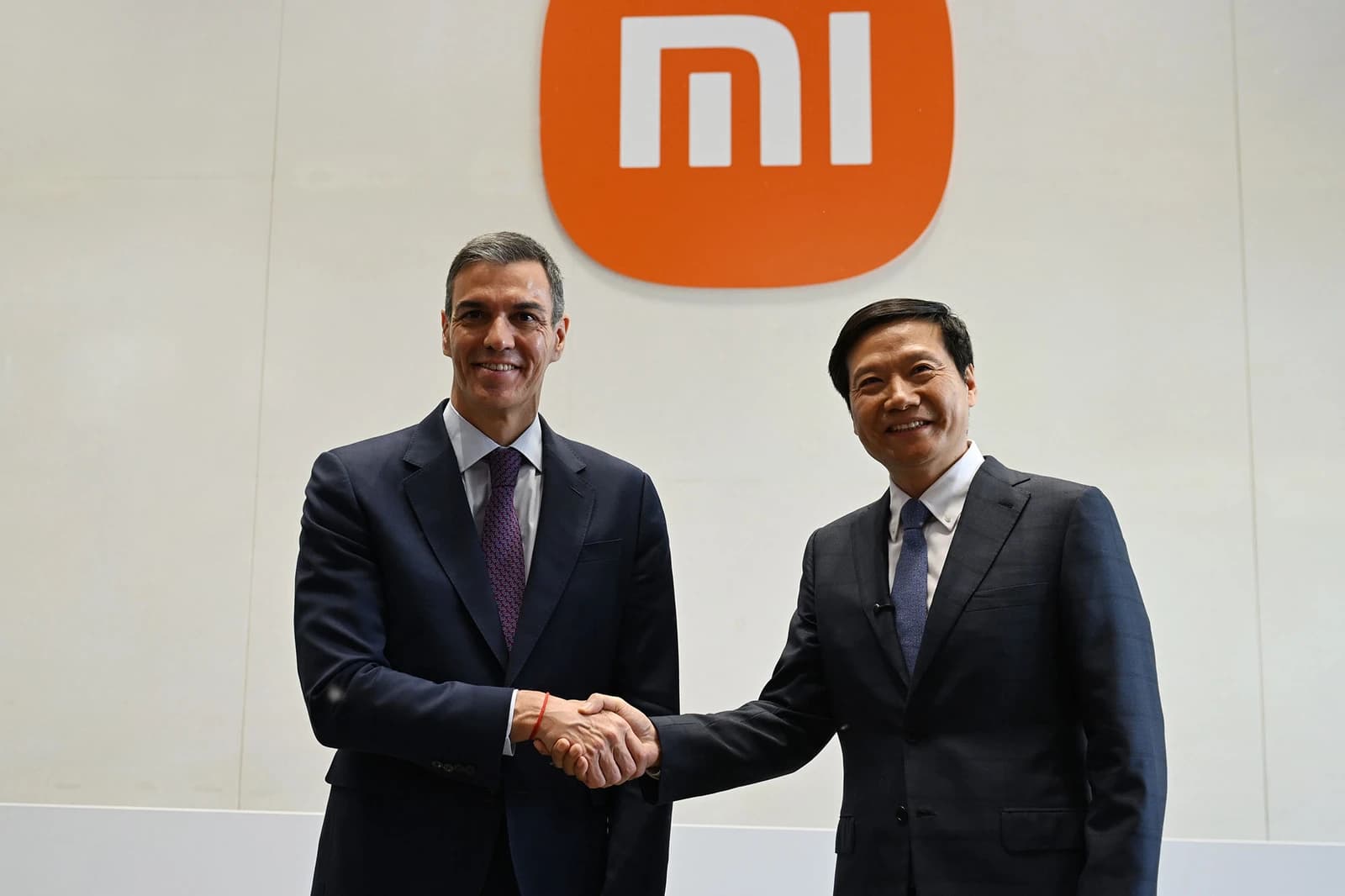
Xiaomi is moving deeper into custom silicon with a new Xring chip and a production partnership with Taiwan Semiconductor Manufacturing Co., a step that could tighten the handset maker’s control over performance, power efficiency and supply at a time when China is pushing hard to reduce dependence on foreign technology.
The move matters because chips sit at the center of China’s long-running drive to build more of its own semiconductor stack. For Xiaomi, designing more of the silicon that goes into phones and connected devices can improve differentiation against Samsung and Apple, while also giving it more bargaining power over component costs and product launches.
TSMC remains the critical manufacturing partner for the most advanced chips, underscoring how even Chinese consumer-electronics groups still rely on the world’s biggest contract chipmaker for leading-edge fabrication. TSMC shares in Taipei were broadly supported by optimism around advanced-node demand, with the stock closing at NT$418.95 on Aug. 21, above its 50-day moving average of NT$424.52 and far ahead of its 200-day average of NT$365.26, while Adalytica’s TSMC Earnings Sentiment gauge stood at 86, or “Extreme Greed.”
For Xiaomi investors, a successful Xring rollout would be more than a branding exercise. Custom chips can lift product margins over time if they reduce reliance on third-party suppliers, but they also require heavy upfront spending and a long validation cycle, which can pressure near-term profitability if yields or adoption disappoint.
The partnership also highlights the broader competitive backdrop in semiconductors, where smartphone makers, AI hardware groups and automakers are all chasing tighter integration of hardware and software. That keeps TSMC at the center of the industry’s most valuable work, even as geopolitical frictions make supply-chain diversification a priority for Chinese and global customers alike.
The key questions now are whether Xiaomi can scale Xring beyond a flagship device and whether TSMC can keep serving China-linked customers without running into fresh political or trade constraints. Investors will be watching for product specifications, launch timing and any sign the chip becomes a recurring part of Xiaomi’s device lineup.
| Entity | Gains | Losses |
|---|---|---|
| Xiaomi | ▲More control over handset silicon | ▼Higher R&D and launch risk |
| TSMC | ▲Advanced-node order flow | ▼China exposure scrutiny |
| Apple/Samsung | ▲— | ▼New China-led chip competition |
| Chinese consumers | ▲Better-integrated devices | ▼Possible higher launch costs |