Zelenskyy Visit Could Shift Markets, But Unclear How
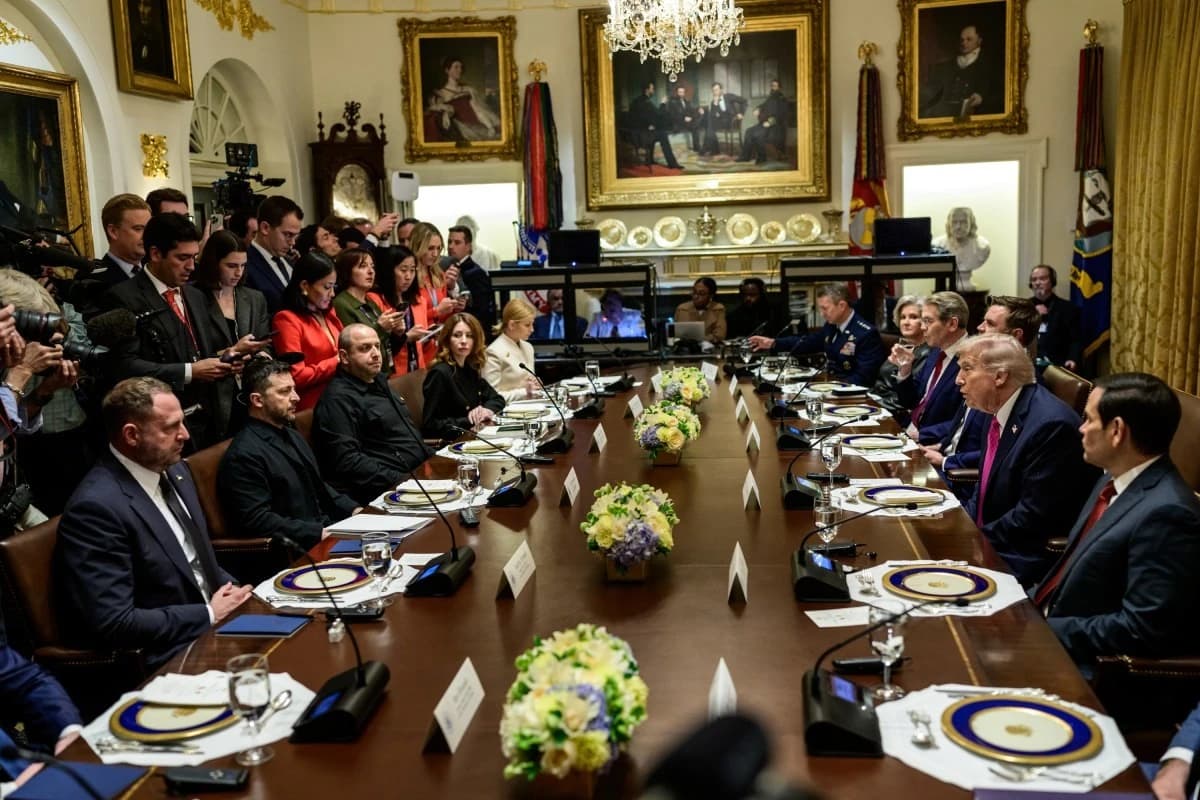
Volodymyr Zelenskyy’s visit to the White House underscores a fresh push by Kyiv to lock in US backing at a moment when the economic and market consequences of the war in Ukraine remain broad, persistent and highly sensitive to any shift in Washington.
The meeting matters because US policy still shapes the balance of military aid, sanctions pressure on Russia and the wider global risk premium. Any sign of deeper cooperation with the Trump administration could affect the pace of weapons deliveries, the duration of the war and the odds of a negotiated settlement — all factors that ripple through energy, defense and currency markets.
The timing is especially important. The 10-year US Treasury yield has been hovering around 4.7%, a level that leaves global financing conditions tight and means geopolitical shocks can quickly feed into bond markets. At the same time, Brent-linked oil exposure has been volatile, with USO trading sharply higher than its 50-day moving average and still well above its 200-day line, reflecting how quickly crude can price in supply risk from Eastern Europe and the Middle East. A renewed diplomatic opening could ease some of that premium; a breakdown would reinforce it.
For investors, the implication is two-sided. Defense names stand to benefit if the war remains protracted and Western rearmament continues. Recent filings from major contractors including Northrop Grumman, RTX and Lockheed Martin all point to elevated global security tensions and continued government demand. On the other hand, an unexpectedly credible path to de-escalation would raise questions about the durability of the current defense-spending cycle, even if any unwind would likely be gradual.
The dollar and euro also remain in play. The dollar trade signal from Adalytica is flashing extreme fear, while the euro-dollar pair has been steady near 1.14, suggesting markets are waiting for clearer policy direction rather than pricing a decisive shift. That leaves room for sharp moves if the White House meeting produces concrete commitments on aid, sanctions or talks.
The broader narrative is that Ukraine is again trying to turn diplomacy into a market-moving event. Zelenskyy’s outreach to Trump is not just about battlefield support; it is about shaping expectations for energy, defense and safe-haven assets at a time when geopolitics remains one of the few forces capable of jolting already fragile global markets.
What investors watch next is whether the White House meeting yields signs of continued US assistance, tougher pressure on Moscow or a more explicit push toward negotiations. Each path carries different consequences for oil, bonds, defense contractors and the dollar, and for now markets are pricing uncertainty rather than resolution.
| Entity | Gains | Losses |
|---|---|---|
| Ukraine | ▲More US backing | ▼Isolation if talks stall |
| US defense contractors | ▲Sustained demand | ▼Peace dividend risk |
| Oil bulls | ▲Higher risk premium | ▼Easing supply fears |
| Dollar bears | ▲Softer safe-haven bid | ▼Tighter geopolitics-driven demand |