Zillow and Opendoor Face AI Photo Trust Risks
Real estate listings that use AI-generated photos can mislead buyers within seconds, putting pressure on platforms such as Zillow Group and Opendoor as the industry races to adopt tools that make homes look cleaner, brighter and easier to sell.
The economic issue is not the image itself but the mismatch it can create between online demand and the physical asset. In housing, where transactions are expensive, emotional and slow, a small credibility gap can quickly turn into fewer qualified leads, more failed showings and higher friction in the sales process. That matters for portals and marketplaces because their value depends on trust, engagement and conversion, not just traffic.
For Zillow, which remains one of the most visited real-estate platforms in the US, the risk is reputational as much as operational. If buyers increasingly assume listing photos have been manipulated, they may spend less time on platforms or demand more verification before engaging an agent. For Opendoor, which already has to convince sellers it can price homes accurately and buyers that inventory is fairly represented, the stakes are even higher: any perception that digital presentation overstates reality could deepen skepticism around the iBuying model.
The market backdrop suggests investors are already wary. Zillow shares have fallen to about $34.95 from roughly $77.75 in late September, while Opendoor has dropped to about $3.41 from $7.09 over the same period, reflecting broader concerns about growth, monetization and the durability of consumer demand in a tougher housing market. The stocks have also been volatile by conventional technical measures, with Zillow trading below its 200-day moving average and Opendoor well under both its 50-day and 200-day averages.
That weakness gives the AI photo issue real financial relevance. The bull case is that better virtual staging and image enhancement can lift listing quality, widen seller adoption and make stale inventory easier to move. The bear case is that undisciplined use of AI erodes the core asset in digital real estate — trust — and invites more consumer complaints, regulatory scrutiny and platform liability.
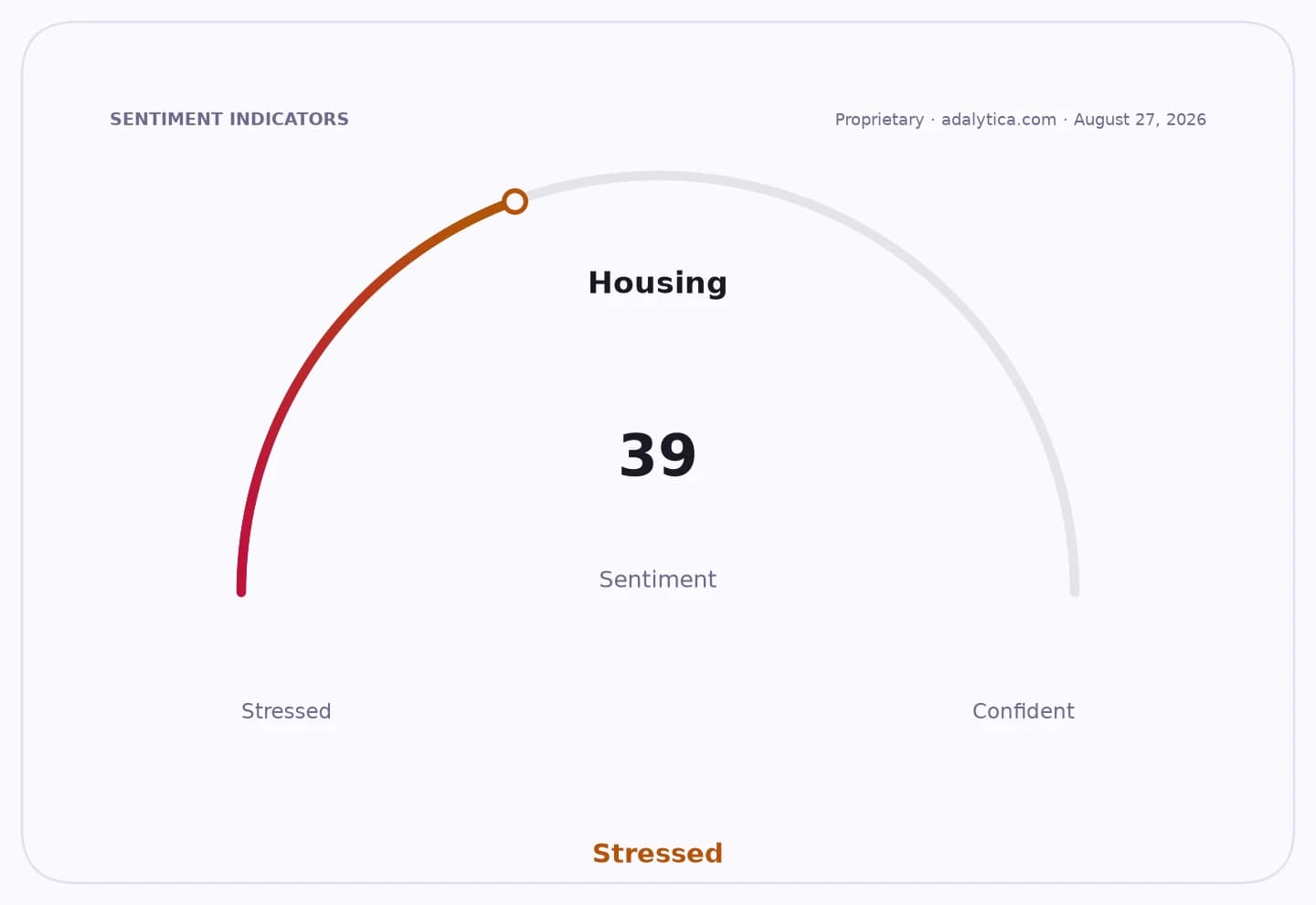
The issue also lands against a mixed housing sentiment backdrop. Adalytica’s Housing Fear & Greed Index, based on proprietary sentiment signals, stood at 68, while its Housing and Rent Inflation Sentiment gauge was 39, showing a market that is still engaged but increasingly sensitive to affordability and authenticity. In that environment, anything that makes online listings feel less reliable can matter disproportionately.
For investors, the key question is whether AI becomes a conversion tool or a credibility tax. If platforms tighten disclosure and limit manipulation to clearly labeled staging, the technology could support engagement without damaging trust. If not, the industry risks trading short-term clicks for long-term churn, a poor exchange in a market where every lead counts.
The next catalyst is likely to be how listing platforms, brokerages and regulators define acceptable AI use in property marketing. Until those guardrails are clearer, investors should treat AI imagery not as a cosmetic upgrade but as a potential source of operating risk and brand dilution for the real-estate platforms trying to monetize it.
| Entity | Gains | Losses |
|---|---|---|
| Zillow Group | ▲richer listings, more engagement | ▼trust risk, complaint exposure |
| Opendoor | ▲easier home presentation | ▼credibility risk, buyer skepticism |
| Sellers | ▲faster marketing, better staging | ▼accusation of misrepresentation |
| Buyers | ▲cleaner browsing experience | ▼false expectations, wasted showings |