Zimbabwe inflation eases to 2.9% in August
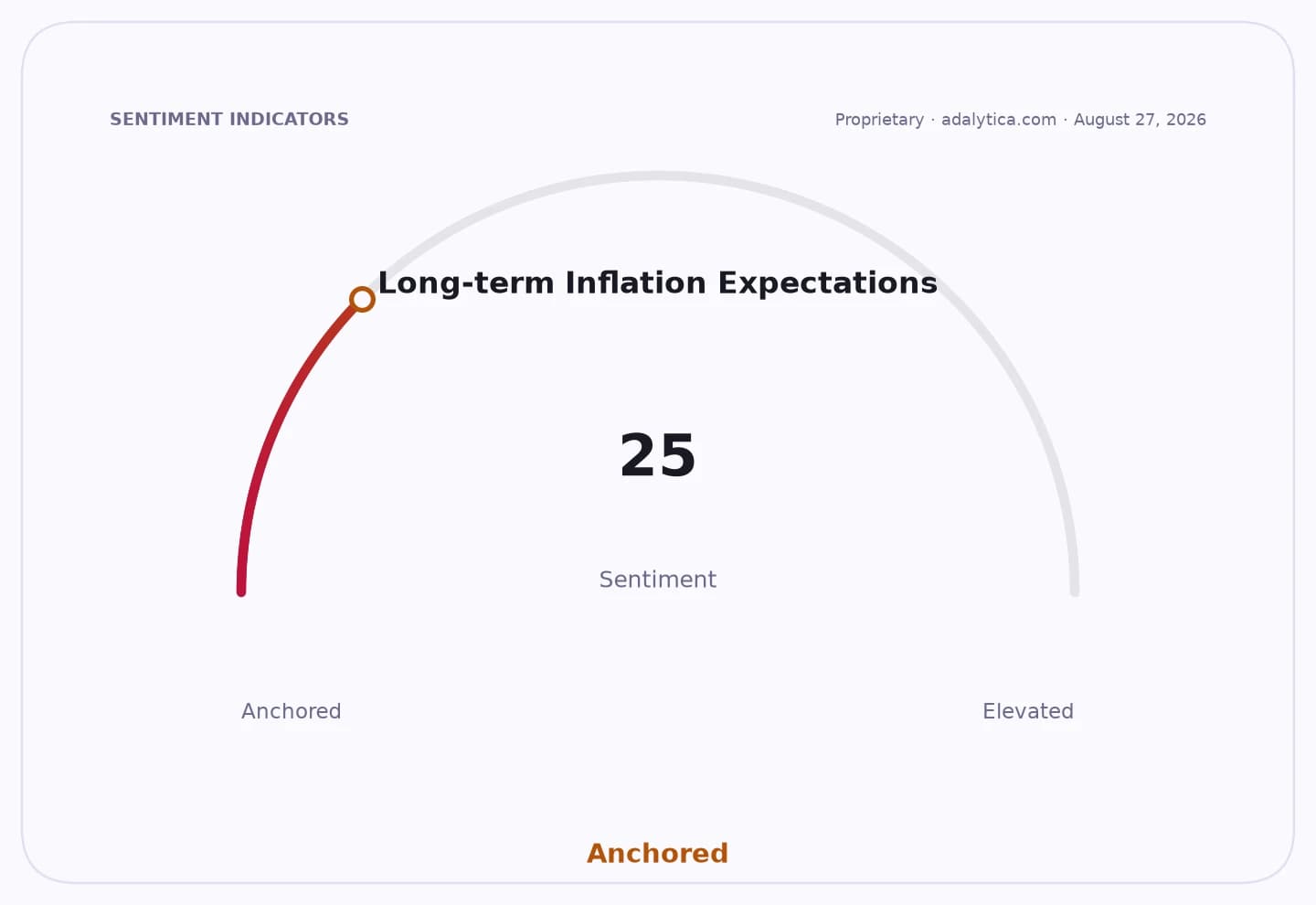
Zimbabwe’s annual inflation eased to 2.9% in August, a sharp deceleration that underscores how a steadier currency backdrop is cooling domestic price pressure and improving visibility for businesses, households and policymakers.
The reading matters because Zimbabwe has spent years battling volatile inflation, currency swings and a weakening store of value that distorted pricing, wages and investment decisions. An inflation rate below 3% suggests the authorities have gained at least temporary traction in stabilizing the price system, reducing the need for businesses to reprice constantly and giving consumers a brief reprieve in real purchasing power.
The latest figure also helps explain why local dollar inflation has been easing even as dollar-denominated prices remain relatively contained. According to the data context, the Zimbabwean dollar price index rose by only 0.35% in August, while the broader annual pace slowed after a much stronger 40.72% surge in May. That pattern points to a much calmer exchange-rate environment than earlier in the year, when currency weakness fed directly into inflation expectations and pricing behavior.
For investors, lower inflation can support a more stable operating environment for Zimbabwean companies and reduce the urgency of immediate hedging against currency depreciation. It can also help restore some confidence in local-currency accounting, which is critical for lenders, retailers and employers trying to plan cash flow, payroll and inventory cycles. But the relief remains fragile: if exchange-rate stability fades, inflation can reaccelerate quickly, as Zimbabwe’s history shows.
The market implications extend beyond Zimbabwe’s borders. Lower domestic inflation can lessen pressure on monetary authorities to keep policy tight, which may help credit conditions over time. At the same time, global rates remain elevated, with the U.S. 10-year Treasury yield around 4.68%, leaving emerging-market assets sensitive to shifts in dollar strength and risk appetite. That keeps Zimbabwe’s stabilization story tied not just to local policy discipline, but also to external funding conditions.
The investment case is therefore two-sided. Bulls will argue that a 2.9% annual inflation rate marks real progress toward macro normalization and lowers transaction costs across the economy. Bears will note that the improvement may owe more to temporary currency calm than to a durable fix in fiscal or monetary credibility, and that inflation could rise again if foreign-exchange supply weakens or confidence slips.
For now, Zimbabwe’s August reading is a meaningful sign that price stability is improving. The key question for investors is whether the authorities can preserve that stability long enough to anchor expectations, rebuild trust in the currency and turn a one-month disinflationary stretch into a sustained macro recovery.
| Entity | Gains | Losses |
|---|---|---|
| Zimbabwean consumers | ▲Lower living-cost pressure | ▼Price shocks still possible |
| Local businesses | ▲More predictable pricing | ▼Margin risk if demand weakens |
| Zimbabwe authorities | ▲Credibility gains | ▼Pressure to sustain stability |
| Dollar holders | ▲Relative purchasing power | ▼Fewer inflation hedges needed |