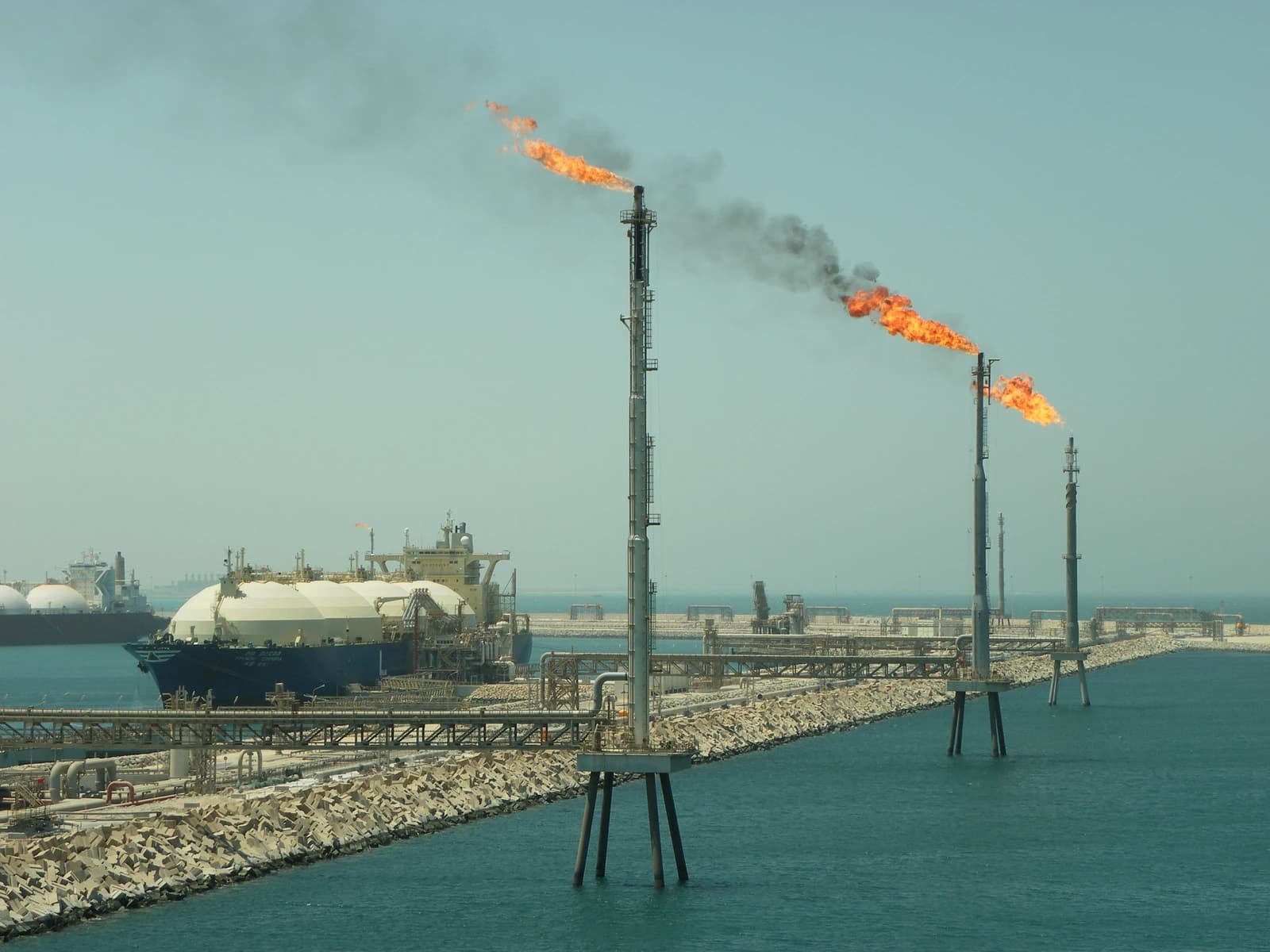
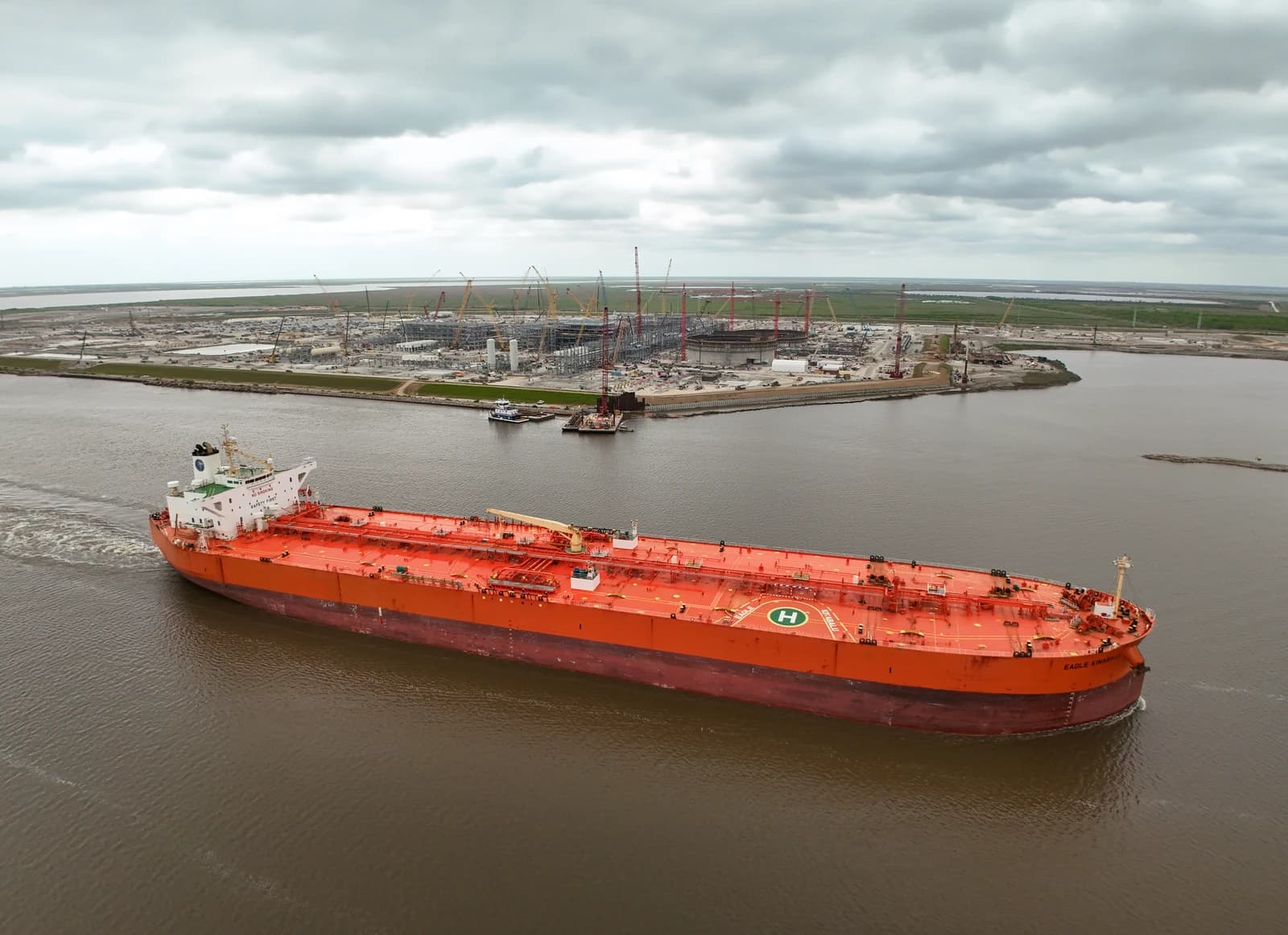
ADNOC is still loading liquefied natural gas in the Persian Gulf even as missile strikes and widening fears over the Strait of Hormuz threaten to choke one of the world’s most sensitive energy arteries, underscoring how regional exporters are trying to keep cargoes moving without fully restoring market confidence.
ADNOC Keeps LNG Loading in Persian Gulf

Satellite data cited by Bloomberg showed one tanker alongside ADNOC’s Das Island export terminal on Sept. 2 and another nearby, both running in “dark mode” with transponders switched off to avoid detection. The loading activity matters because LNG flows out of the Gulf have been badly strained by the conflict, and even partial shipments suggest producers are improvising to preserve revenues and meet contractual obligations rather than simply shutting in exports.
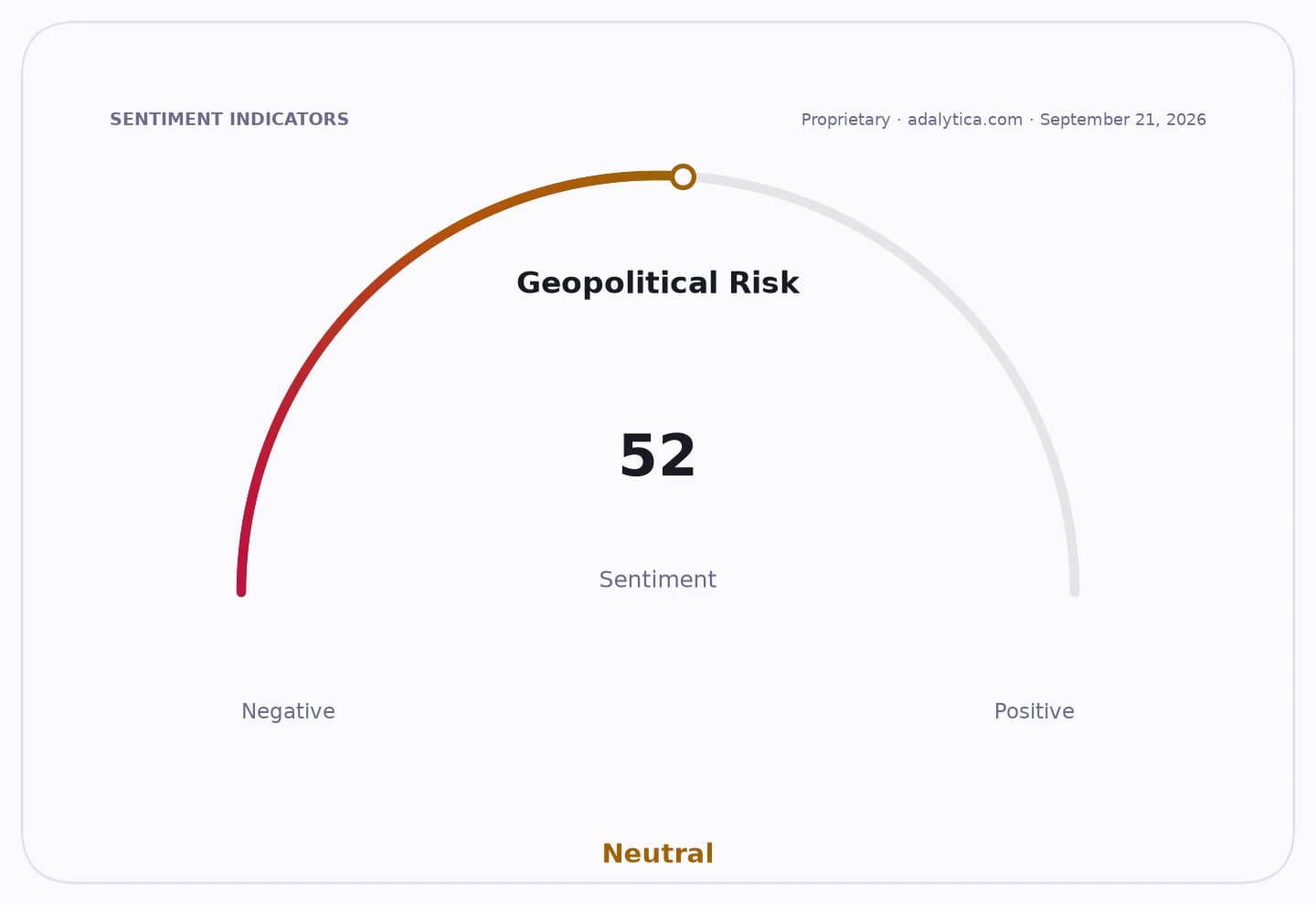
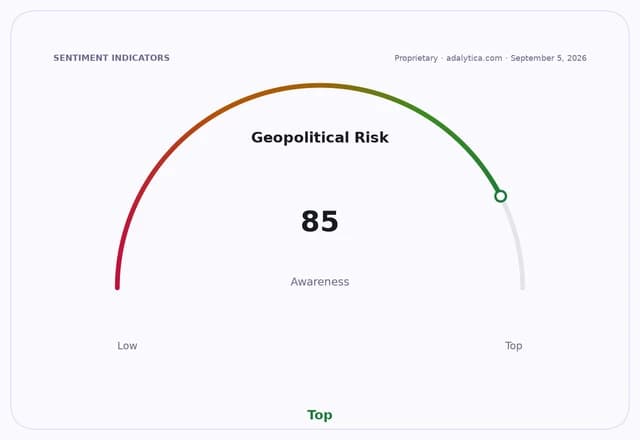
Sentiment IndicatorsⓘProprietary · adalytica.com · September 5, 2026
This is a snapshot — live sentiment, awareness and momentum for 130+ markets update continuously in the dashboard.Open AlphaPulse
The broader economic risk is that the Gulf’s LNG and oil trade increasingly has to rely on workarounds that are slower, costlier and less transparent. The UAE has been using rare ship-to-ship transfers outside Hormuz to secure LNG export flows, while ADNOC is also building a pipeline to Fujairah that will double the capacity of its existing bypass route by next year. That investment is a sign the company is preparing for a more persistent disruption regime, not a short-lived shipping scare.
For gas markets, the stakes are immediate. QatarEnergy has already extended LNG delivery cancellations until November, Asian LNG prices have climbed to their highest since 2022 and buyers from Pakistan to Bangladesh are facing higher import bills and supply stress. Europe, meanwhile, is entering the winter refill period with relatively thin storage buffers, leaving it more exposed to any further squeeze from the Gulf.
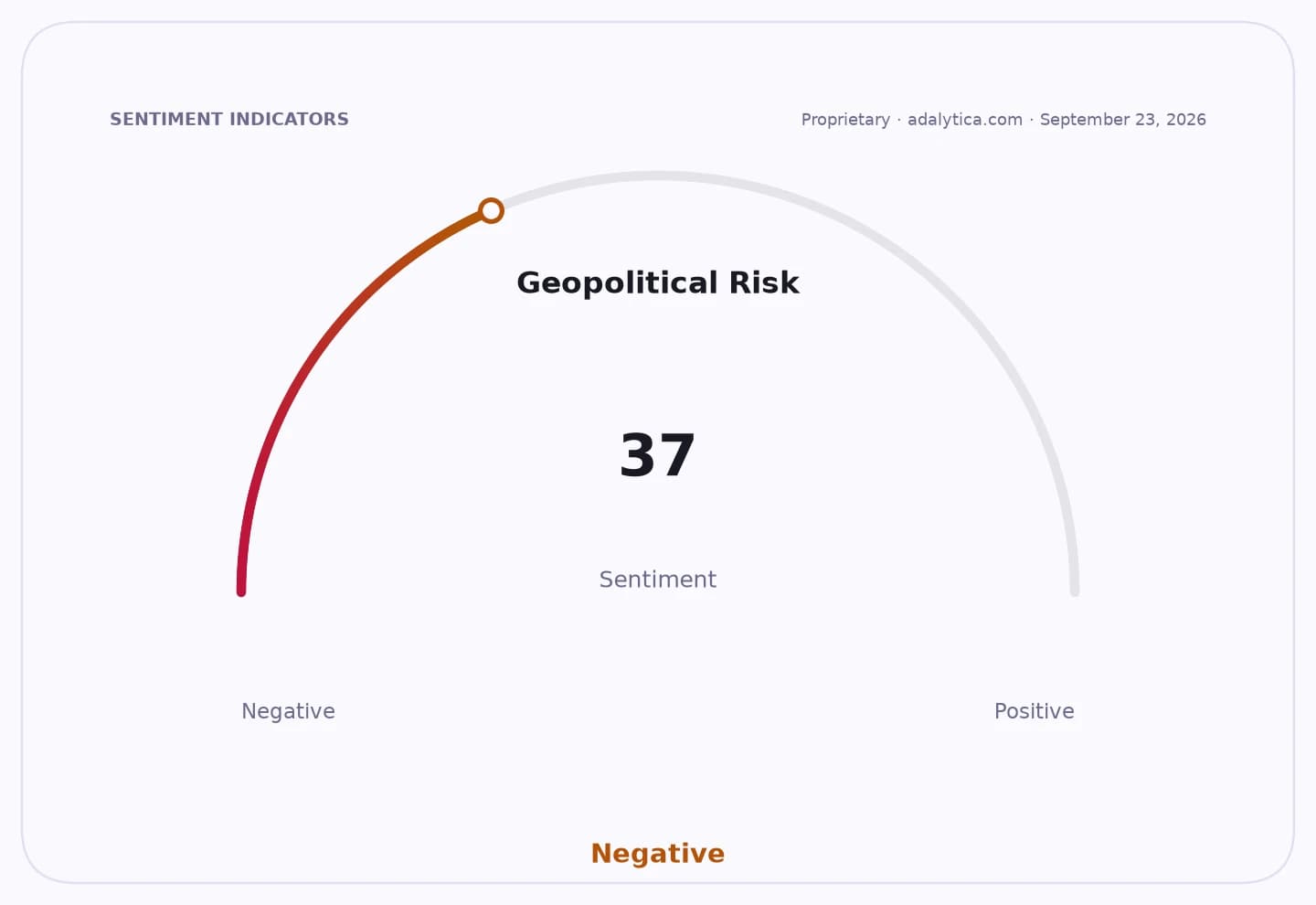
Geopolitical Risk — 30-day sentimentadalytica.com
Explore this data interactively — full history, time series and cross-market comparisons.Open AlphaPulse
Investors have responded by bidding up energy shares and pricing in more geopolitical risk across commodities. U.S. gas-weighted names and large integrated producers have been volatile as traders weigh the prospect of tighter LNG availability against the possibility that prices remain elevated for longer. Adalytica’s Natural Gas Market Trade Signals show extreme fear, reflecting how quickly sentiment has deteriorated around supply security, while the broader global stability gauge has weakened sharply in recent days.
The bullish case for ADNOC and its peers is that constrained supply supports pricing power and preserves cash flow for exporters able to navigate the chokepoint. The bearish case is that any prolonged disruption raises freight, insurance and operational costs, while also threatening to strand volumes if shipping companies or insurers become less willing to take Gulf cargoes. ADNOC’s warning that the conflict’s energy effects could stretch into 2027 suggests this is no longer being treated as a temporary shock.
For investors, the key question is whether Gulf exporters can keep enough barrels and cargoes moving to avoid a full supply break, or whether the current stopgap measures merely delay a deeper hit to LNG availability and regional trade. The near-term winners are producers with secure export routes and pricing leverage; the losers are importers, utilities and consumers already absorbing the cost of a tighter global gas market.
| Entity | Gains | Losses |
|---|---|---|
| ADNOC / UAE exporters | ▲Preserved exports, higher leverage | ▼Higher shipping and security costs |
| LNG producers | ▲Stronger pricing, tighter supply | ▼Operational disruption risk |
| Importers in Asia and Europe | ▲Some cargoes secured via workarounds | ▼Higher bills, supply uncertainty |
| Shipping/insurance market | ▲Elevated freight and risk premiums | ▼Greater exposure to conflict risk |