Farmers may enjoy broad public sympathy in Belgium, but the market is still dictating the economics of agriculture, and that is keeping equipment makers and commodity suppliers on edge.
Agribusiness rallies cool as farm economics normalize
The clearest signal is in Deere, Nutrien and Archer-Daniels-Midland shares, which have all staged sharp rallies over the past year only to show recent signs of fatigue as investors reassess how far farm demand can extend once crop prices, input costs and capital spending normalize. For investors, the message is that political support for agriculture can help around the margins, but it does not override the price of grain, fertilizer and machinery when farmers decide whether to buy.
That matters economically because farm equipment purchases, fertilizer application and crop merchandising all depend on the same basic calculation: whether crop returns justify investment. Deere’s stock has climbed from the mid-400s last summer to almost 636 in early July before slipping back to about 596, while Nutrien has cooled to 66.75 from a peak above 82 in March and ADM has eased to 83.23 after a run that took it above 82. These are not isolated chart moves. They reflect the same cycle: strong farm economics can lift the whole agribusiness chain, but when prices and margins turn less supportive, the recovery becomes uneven.
Technical indicators underline that shift. Deere’s relative strength index has fallen to 37.1 after being overbought in early July, and its price has slipped back toward the 50-day moving average, suggesting momentum has faded even though the longer-term uptrend remains intact. Nutrien’s RSI at 70.4 still signals strength, but the stock has retreated from its highs, while ADM’s RSI near 82.6 points to a stretched move that has begun to consolidate. In each case, the 200-day moving averages remain well below current prices, a reminder that the medium-term trend is still constructive, but the latest pullback shows investors are becoming more selective.
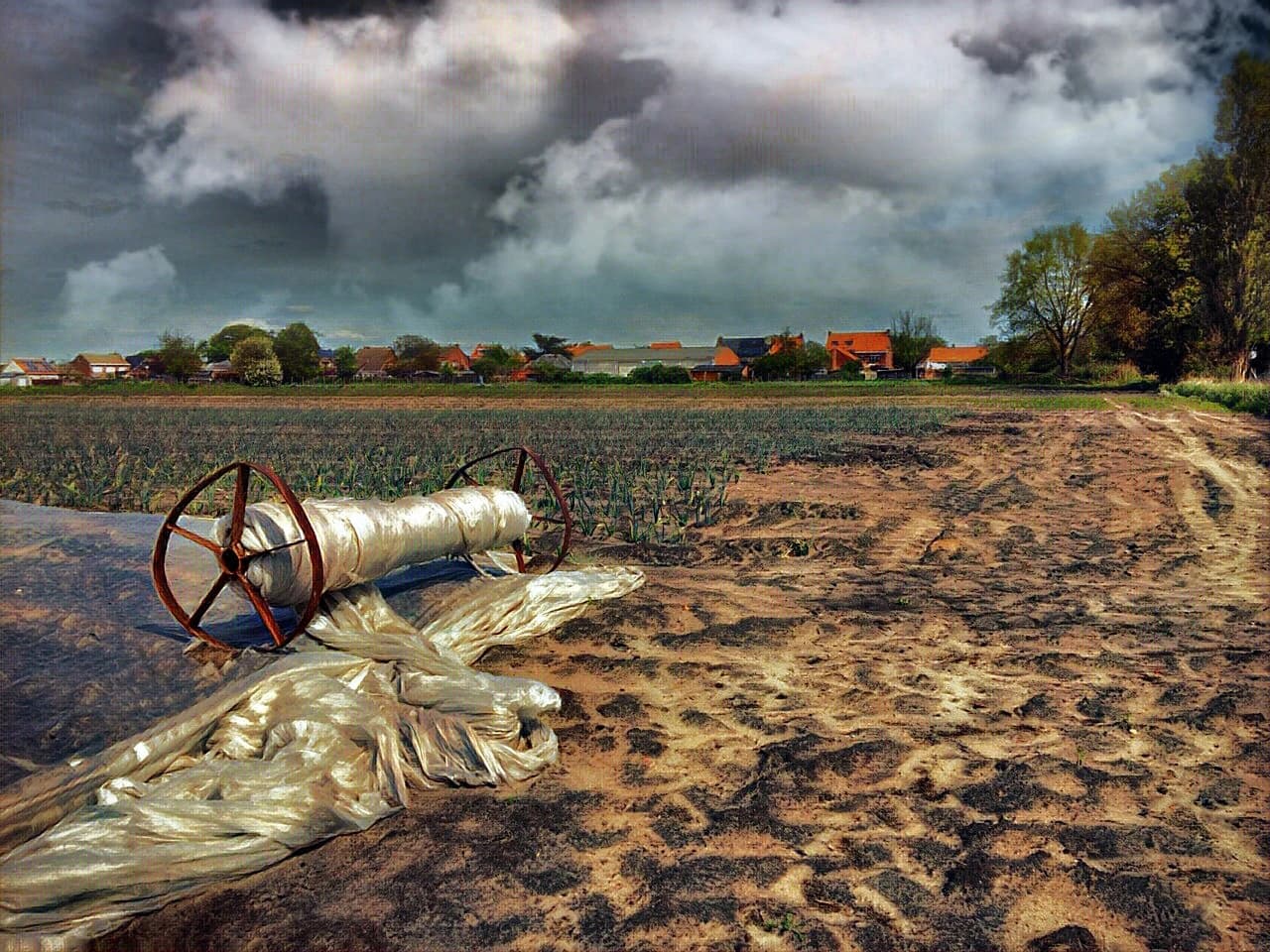
The Belgian backdrop fits that pattern. Public support for farmers can cushion the social and political pressure on the sector, but it does not solve the central issue of price formation. Farmers will still plant, fertilize and harvest based on global commodity markets, weather and export demand, not sentiment. That leaves companies exposed to a familiar tug-of-war: government-backed resilience on one side, and margin discipline on the other. Deere benefits if farmers decide to replace aging equipment after years of delayed spending; Nutrien gains if crop economics support heavier fertilizer usage; ADM needs stronger crush, origination and merchandising volumes. But if commodity prices soften, each faces slower demand and less pricing power.
The bull case is that farm support, tighter supply chains and a still-firm agricultural backdrop can keep spending above pre-pandemic levels. The bear case is that the price of crops remains the dominant variable, and once margins compress, farmers delay purchases, trim fertilizer applications and sell into weaker markets. That is why investors continue to treat the sector as a cyclical trade rather than a structural re-rating.
For now, the key question is whether the support around agriculture, in Belgium and elsewhere, can translate into durable farm profitability. If not, the market is likely to keep rewarding only the companies with the strongest balance sheets, the best cost control and the clearest exposure to pricing power.
| Entity | Gains | Losses |
|---|---|---|
| Farmers | ▲Political support | ▼Margin pressure |
| Deere | ▲Replacement demand | ▼Delayed capex |
| Nutrien | ▲Stronger fertilizer use | ▼Softer crop prices |
| ADM | ▲Higher commodity flow | ▼Weaker merchandising margins |