Kenya’s cotton farmers and processors are turning stalks, gin trash and textile offcuts into a growing side industry that generates cash from material once burned or dumped, opening a new revenue stream for rural households and local manufacturers.
Kenya cotton waste becomes briquettes and inputs
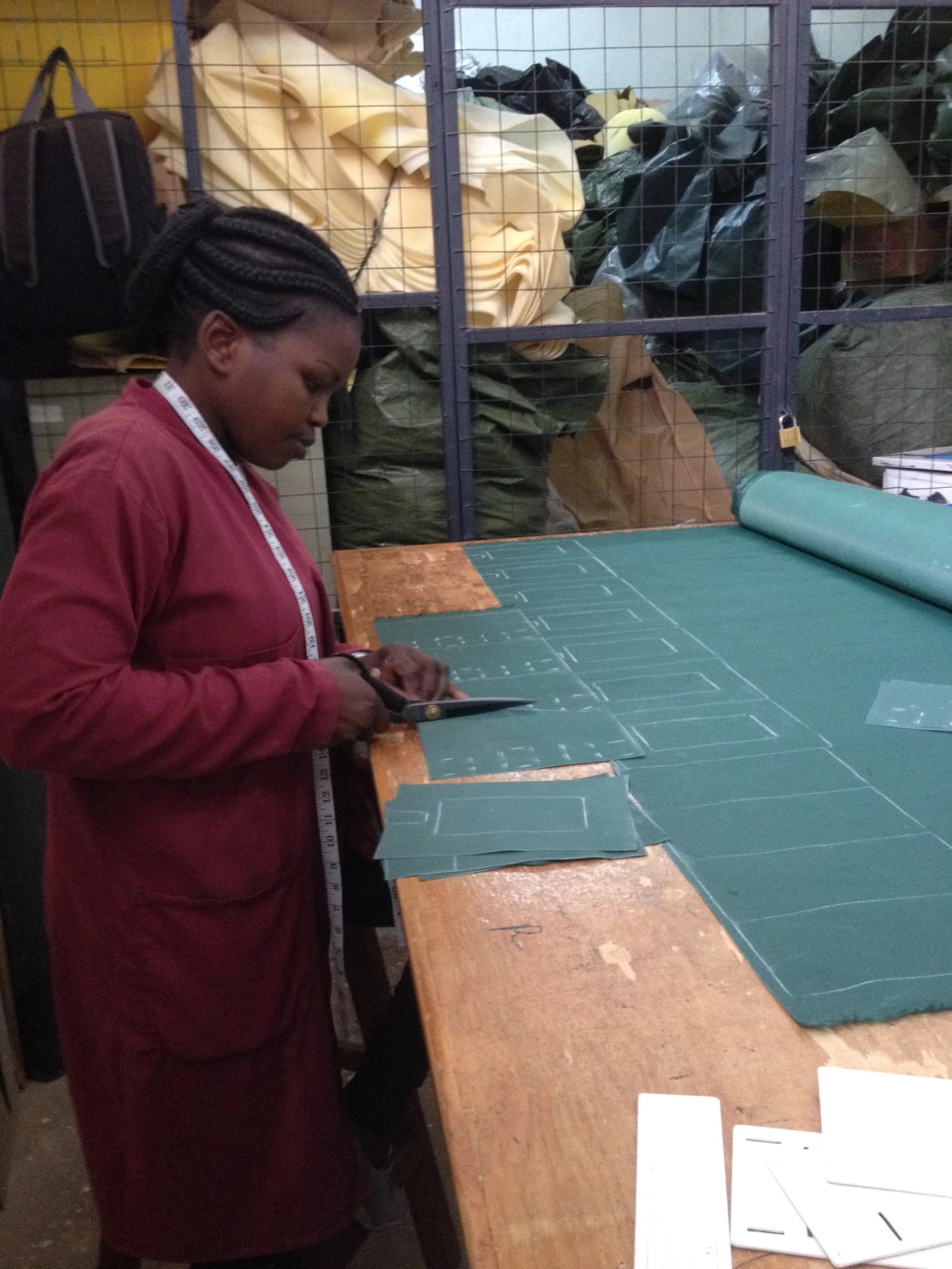
The shift matters because it turns an environmental liability into an economic asset. In counties such as Kilifi, Kitui, Makueni and Lamu, crop residue that once went up in smoke is now being collected, carbonised and pressed into briquettes sold to hotels, schools and restaurants, while factory waste is being reprocessed into mattress filling, cleaning cloths and other products.
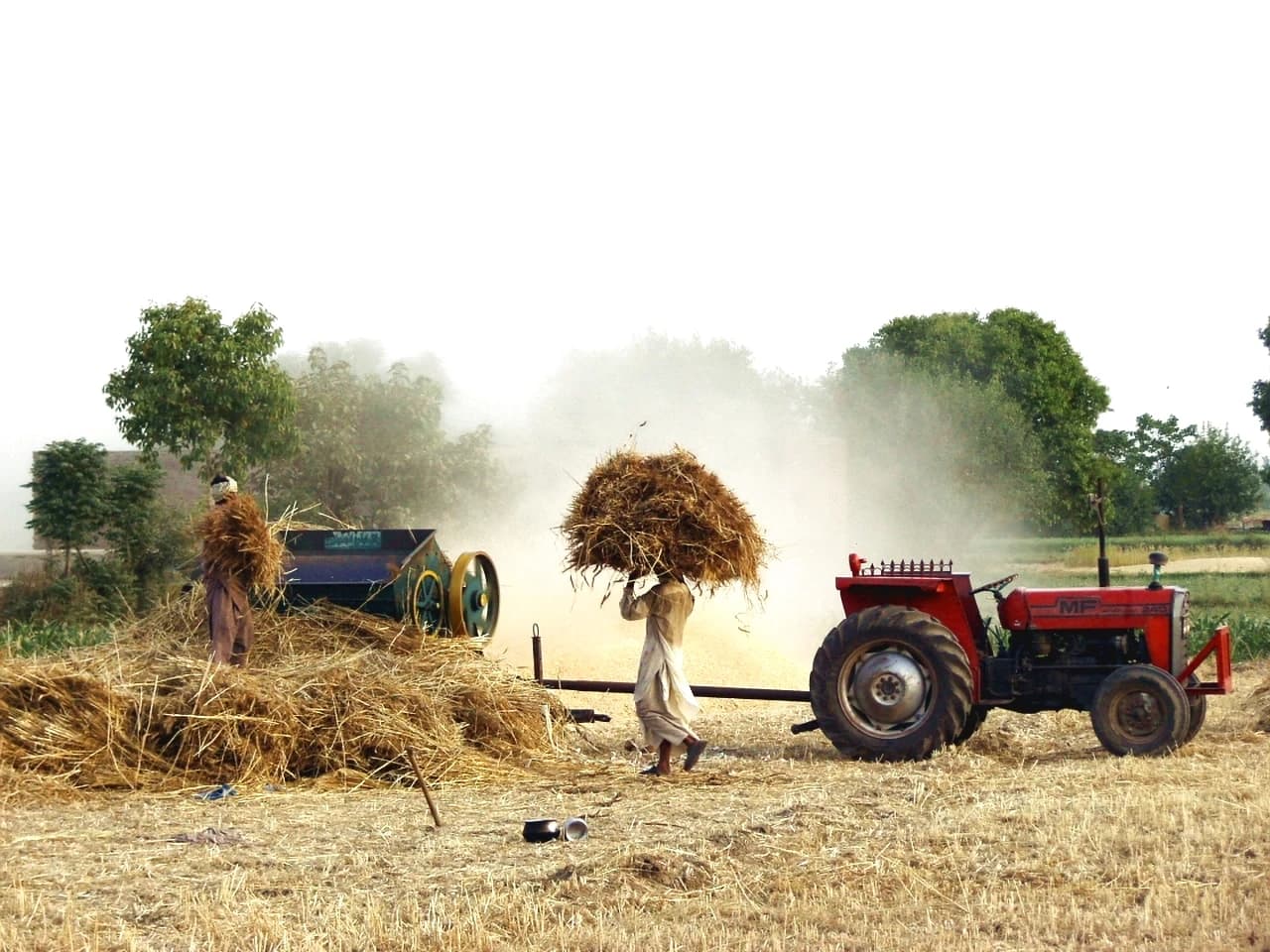
For farmers like Peterson Mwadau in Kilifi, the change brings immediate income after harvest. Instead of treating stalks as waste, he sells some of the residue to local collectors supplying biomass businesses, adding cash at a time when farm earnings are often seasonal and weather-dependent.
Community groups are building a parallel market. In Makueni, women-led cooperatives are converting cotton stalks and gin trash into briquettes that burn longer and smoke less than wood charcoal, giving members a year-round source of income and helping fund school fees, health insurance and savings contributions.
The economics are still constrained by logistics. Kenya imported between $600,000 and $1 million worth of cotton waste and related material in 2024, with Tanzania supplying about 60% of the total, according to trade data cited in the report. Tanzanian shipments arrive in pregraded bales, while Kenya’s domestic supply is scattered across farms, ginneries and workshops, making collection and transport expensive.
That fragmentation is the main gap investors and policymakers are watching. The report points to the need for aggregation hubs with hydraulic balers to standardize supply and lower freight costs, a move that could help Kenyan manufacturers reduce reliance on imports and build a more predictable local market for waste-based inputs.
The government is pushing the same theme. Agriculture and Livestock Development Cabinet Secretary Mutahi Kagwe says value addition is the best alternative to exporting unprocessed commodities, and banks including Equity Group have said they are open to lending for agricultural value-addition projects. The longer-term prize is a more formal circular-economy chain that links farmers, cooperatives, recyclers and industrial buyers.
If collection networks scale, the beneficiaries will be rural growers, community enterprises and manufacturers that need cheaper inputs. The losers are the open-burning model, municipal waste streams and import-dependent processors that currently rely on foreign supply.
| Entity | Gains | Losses |
|---|---|---|
| Cotton farmers | ▲Extra post-harvest income | ▼Burned residue, wasted biomass |
| Women-led briquette groups | ▲Year-round cash flow | ▼Seasonal farming dependence |
| Manufacturers | ▲Cheaper recycled inputs | ▼Import reliance, higher logistics costs |
| Environment/waste system | ▲Less burning and dumping | ▼Air pollution, municipal waste load |