Planet Fitness is the most direct market winner from a fresh AI push in fitness, but the bigger story is that the sector is being pushed to use artificial intelligence to deepen member engagement just as investors are sorting the true AI beneficiaries from the hype. The introduction of an AI trainer in the application of a Russian fitness network underscores how quickly AI is moving from back-office tooling to consumer products, raising the stakes for gym chains, apparel brands and app-based fitness platforms competing for attention, retention and subscription revenue.
AI Fitness Push May Aid Retention, Engagement

For public companies tied to fitness, the economic logic is straightforward: AI features can lift retention, increase app usage and create more touchpoints for upselling workouts, coaching and merchandise. That matters because membership churn is one of the biggest drags on unit economics in fitness, and digital engagement can help lower customer acquisition costs while extending the value of each user.
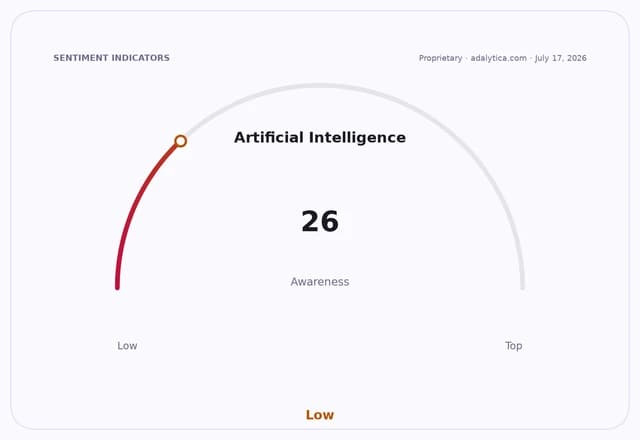
Sentiment IndicatorsⓘProprietary · adalytica.com · July 17, 2026
This is a snapshot — live sentiment, awareness and momentum for 130+ markets update continuously in the dashboard.Open AlphaPulse
Planet Fitness shares have recovered sharply from a spring collapse, with the stock closing at $53.39 on July 17 after plunging to $44.01 on May 7. The rebound has also pushed the stock above its 50-day moving average of $51.69, while RSI readings near 53.7 and a flattening MACD suggest momentum has improved without yet looking overstretched.
Nike, by contrast, remains under pressure despite a modest bounce to $44.80 on July 17. The stock is still well below its 50-day moving average of $43.52 and far under its 200-day average of $55.21, showing investors have not yet bought into a durable turnaround in demand or brand execution.
Artificial Intelligence — 30-day sentimentadalytica.com
Explore this data interactively — full history, time series and cross-market comparisons.Open AlphaPulse
Lululemon is in the weakest technical position of the trio. The stock closed at $118.37 on July 17, barely above the lower end of its recent range and below its 50-day average of $120.39, after collapsing from more than $200 earlier in the period. That leaves the premium athleticwear name more exposed if consumer spending slows or if AI-driven personalization shifts more shopping traffic toward companies with stronger digital ecosystems.
The Russian network’s AI trainer is a reminder that the fitness industry is entering a phase where software and personalization can matter as much as physical locations. That is why investors are watching whether established chains and brands can use AI to protect margins, keep users inside their ecosystems and defend pricing power against cheaper digital substitutes.
The next catalyst is likely to come from product launches, app adoption data and any earnings commentary showing whether AI features translate into better retention, higher engagement or incremental revenue. If they do, the winners will be the companies that can turn AI into recurring cash flow rather than another marketing expense.
| Entity | Gains | Losses |
|---|---|---|
| Planet Fitness | ▲Retention upside | ▼Churn pressure eases |
| Nike | ▲Digital engagement tailwind | ▼Brand execution risk |
| Lululemon | ▲Personalized commerce potential | ▼Premium growth vulnerability |
| AI fitness platforms | ▲User acquisition boost | ▼Incumbents with weak apps |