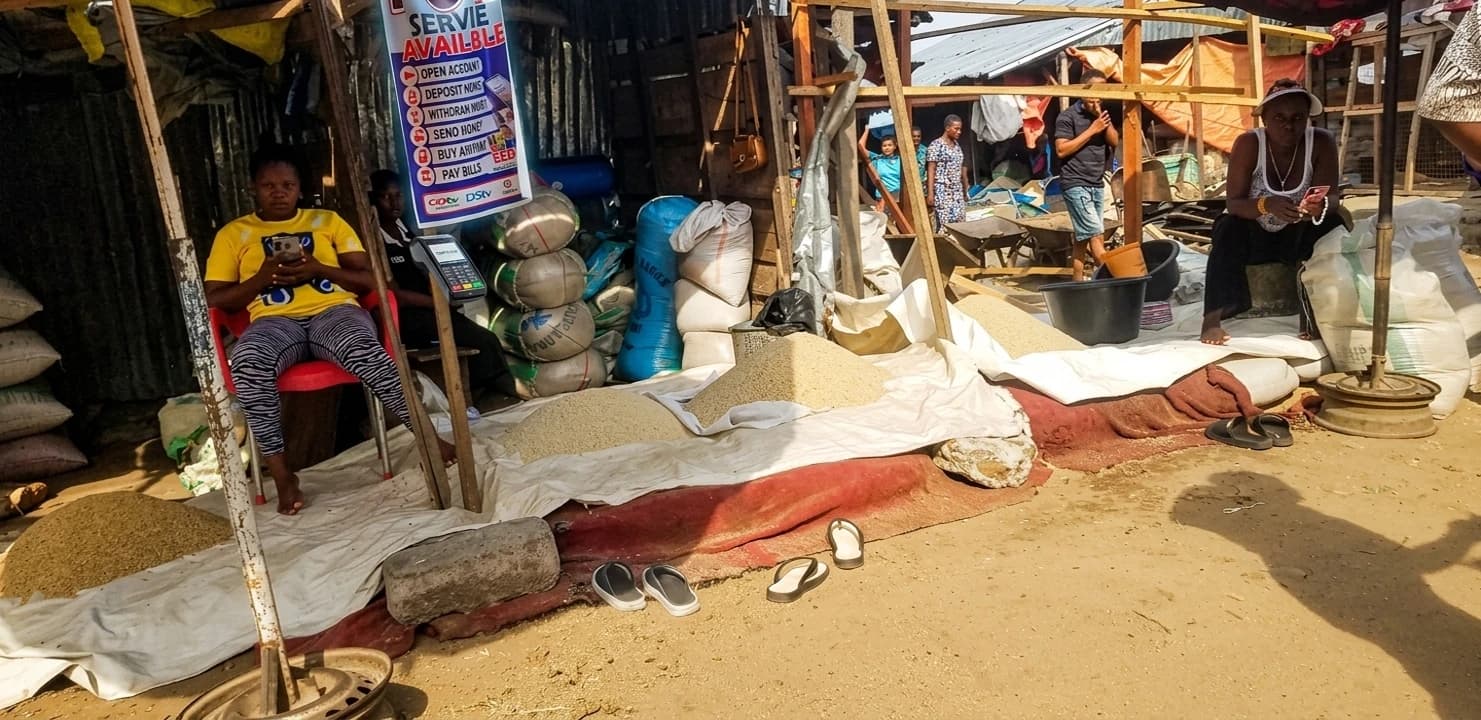
Imported rice in Madagascar is set to fall by 150 ariary a kilogram after the government moved to force traders to trim margins, a step that directly targets one of the country’s most sensitive food prices and could help cool near-term inflation pressures.
Madagascar cuts imported rice price by 150 ariary
Without intervention, imported rice with 25% broken grains would have sold for about 1,900 ariary on the market, but authorities want that price brought down to 1,750 ariary, according to the source report. The gap is material in a market where rice is a staple, household budgets are tight and small price changes can quickly feed into broader living-cost pressures.
The policy matters because rice is not just another food item in Madagascar; it is a baseline input into consumer inflation, wage negotiations and political stability. By asking every link in the distribution chain — from importer to retailer — to accept lower gross margins, the government is effectively choosing to absorb some private-sector pain in exchange for social relief. That can damp immediate inflation readings if it is enforced, but it also risks compressing profitability for traders already working on thin spreads and may deter future imports if margins become unworkable.
For investors and businesses exposed to the local food trade, the move highlights the trade-off between price control and supply security. A lower administratively guided price may support consumer demand and reduce the risk of unrest, but it can also distort incentives in a market reliant on imports and logistics. If importers, wholesalers or retailers conclude they cannot pass through costs, the result could be tighter availability later, especially if transport or foreign-exchange costs rise.
The broader narrative is one of policymakers trying to manage a politically sensitive staple through margin compression rather than subsidies, at least for now. That approach may buy time and keep household food bills in check, but its success will depend on compliance across the supply chain and whether the government can avoid creating shortages or a parallel market.
| Entity | Gains | Losses |
|---|---|---|
| Consumers | ▲Lower rice bills | ▼— |
| Government | ▲Softer inflation pressure | ▼Fiscal room |
| Importers | ▲— | ▼Gross margins |
| Retailers | ▲Higher volumes if demand holds | ▼Pricing flexibility |