Rice shelves in Indonesia’s modern retail chains may be empty, but the bigger market signal is that the shortage is looking less like a supply crisis and more like a distribution and regulatory shock — one that could keep food prices, consumer trust and grocery margins in flux until the government clears the bottlenecks.
Indonesia rice shortage hits modern retailers
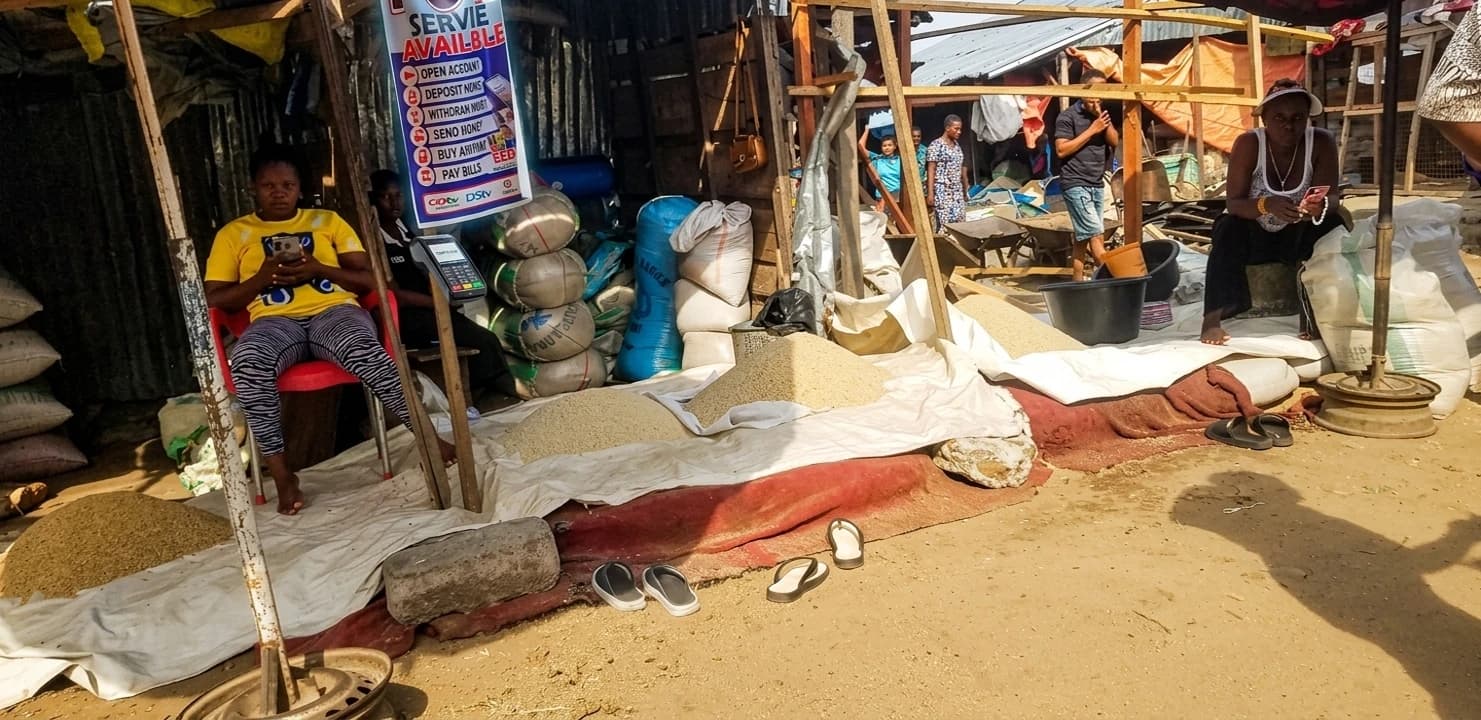
Agriculture Minister Andi Amran Sulaiman said stocks remain abundant in traditional markets, with state reserve holdings near 5 million tons, and argued shoppers can still buy rice cheaply there. He tied the empty shelves in modern stores to an investigation into fortified rice, while ordering state buyer Bulog to add 300,000 tons of premium rice to retail channels.
Sentiment IndicatorsⓘProprietary · adalytica.com · September 25, 2026
This is a snapshot — live sentiment, awareness and momentum for 130+ markets update continuously in the dashboard.Open AlphaPulse

That matters because rice is one of Indonesia’s most politically sensitive staples. If consumers are being pushed from modern retail into traditional markets, the immediate risk is not just inconvenience — it is price dispersion, weaker visibility into supply, and a broader credibility problem for the government’s food management. For a country where food inflation can quickly ripple through household spending, that is a macro issue, not just a grocery aisle problem.
The data point the market should focus on is the gap between official stock comfort and retail scarcity. Amran said government rice reserves are “almost 5 million tons,” yet Reuters-style checks at Alfamidi and Indomaret stores found premium rice missing, with only a few Bulog-branded SPHP packs left on shelves. Bulog has already distributed 110,000 tons of premium rice to modern retailers, but the latest order for another 300,000 tons suggests the state is still chasing demand rather than restoring normal flows.
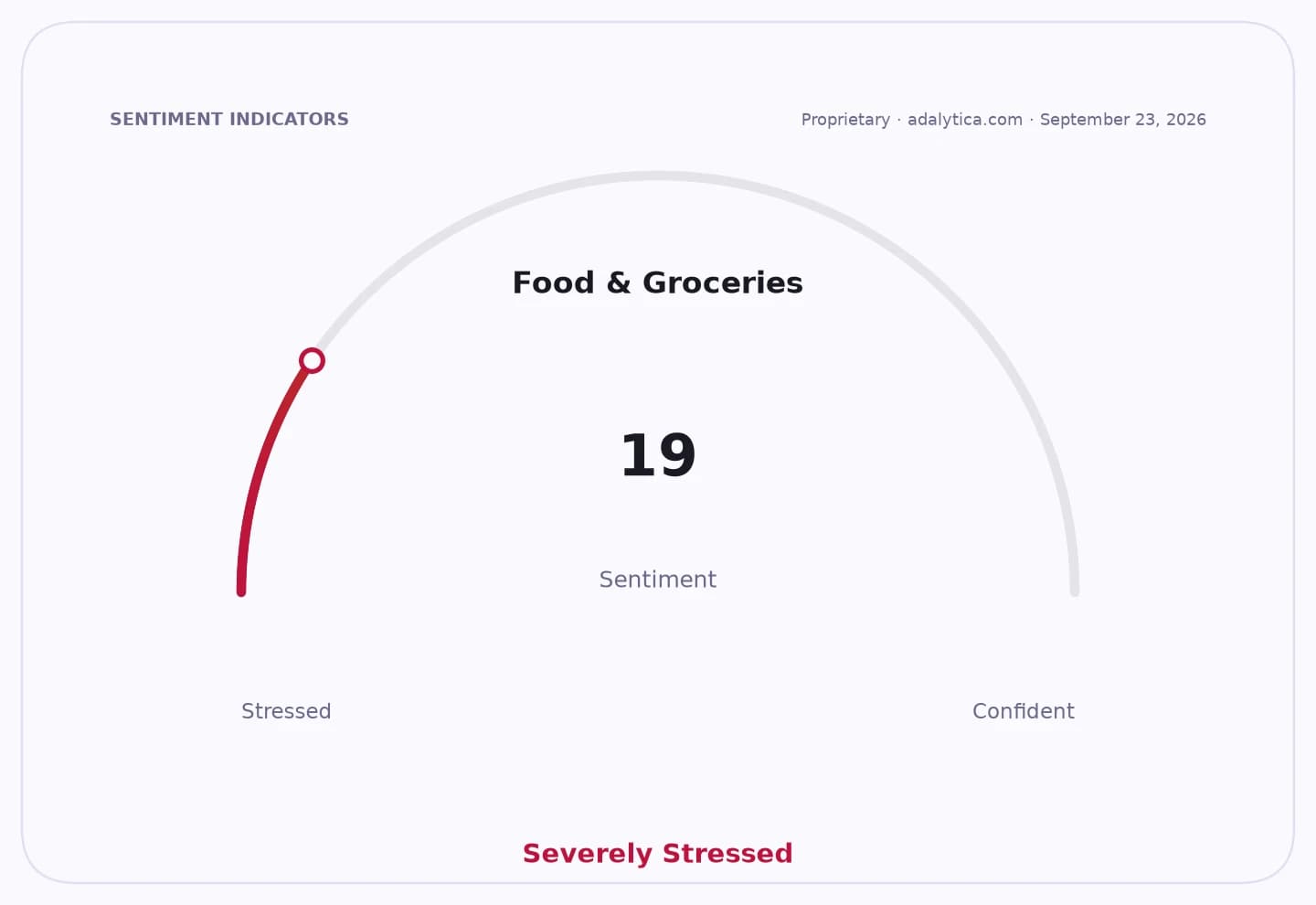
Food & Groceries — 30-day sentimentadalytica.com
Explore this data interactively — full history, time series and cross-market comparisons.Open AlphaPulse
This is where the investment angle sharpens. The market tends to treat food-supply headlines as temporary noise, but the real beneficiaries and losers are becoming clearer. State-linked supply chains and wholesalers stand to gain from forced restocking and higher volumes, while modern retailers face inventory pressure, brand risk and possible margin drag if they must scramble for replacement stock or absorb policy-driven pricing constraints. If the fortified-rice probe widens, compliance costs and product disruption could deepen.
There is also a broader inflation read-through. U.S. food-price gauges in the context remain elevated, and while those are not direct Indonesia indicators, they underscore the global backdrop: staple-food markets are still vulnerable to policy shocks, logistics frictions and quality-control scandals. In emerging markets, that combination can move consumer sentiment faster than any central bank forecast.
The market underestimates how often food shortages are really trust shortages. If the government restores shelves quickly, this fades into a short-lived distribution problem. If not, Indonesia risks a second-order hit to consumer confidence, grocery-channel earnings and the credibility of its food-security push. The actionable takeaway: watch the modern retail chains, Bulog’s replenishment pace and any escalation in the fortified-rice probe — those are the signals that will tell investors whether this is a one-off or the start of a more persistent staple-food disruption.
| Entity | Gains | Losses |
|---|---|---|
| Bulog / state supply chain | ▲Higher distribution volumes | ▼Inventory strain |
| Traditional markets | ▲More shopper traffic | ▼Limited formalization |
| Modern retailers | ▲Potential restocking lift | ▼Empty shelves, margin pressure |
| Consumers | ▲Cheaper market rice access | ▼Lower convenience, uncertainty |