Rice prices rose across Indonesia in the third week of September, with BPS reporting gains in both medium and premium grades that are large enough in some districts to feed directly into inflation and revive concern over food affordability.
Indonesia rice prices rise across regions in September

BPS said national medium-rice prices climbed 0.76% week on week to an average Rp14,644 per kilogram, while premium rice rose 0.69% to Rp16,495. Both remain above the government’s highest retail prices in several zones, underscoring a persistent gap between market prices and administered caps.
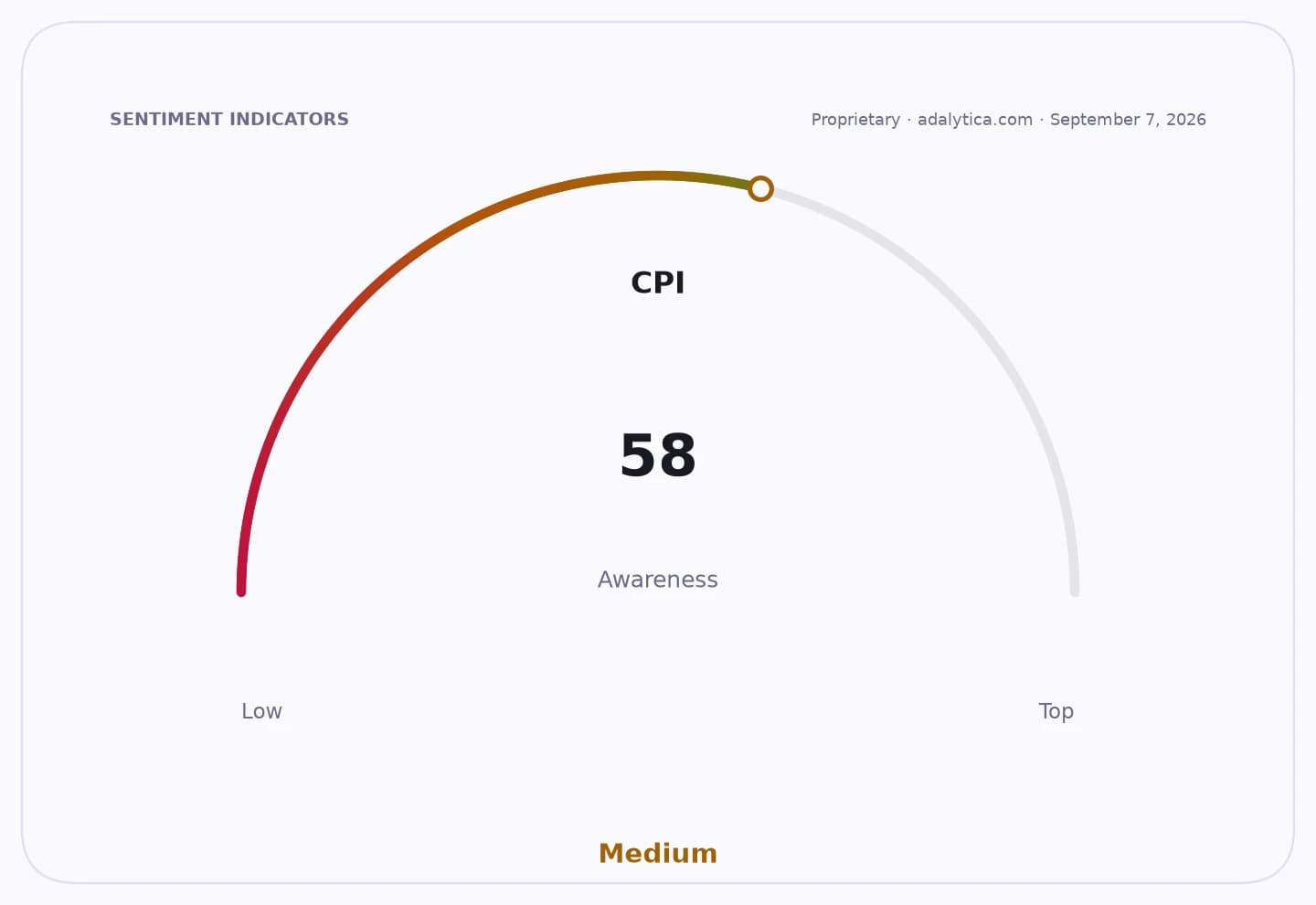
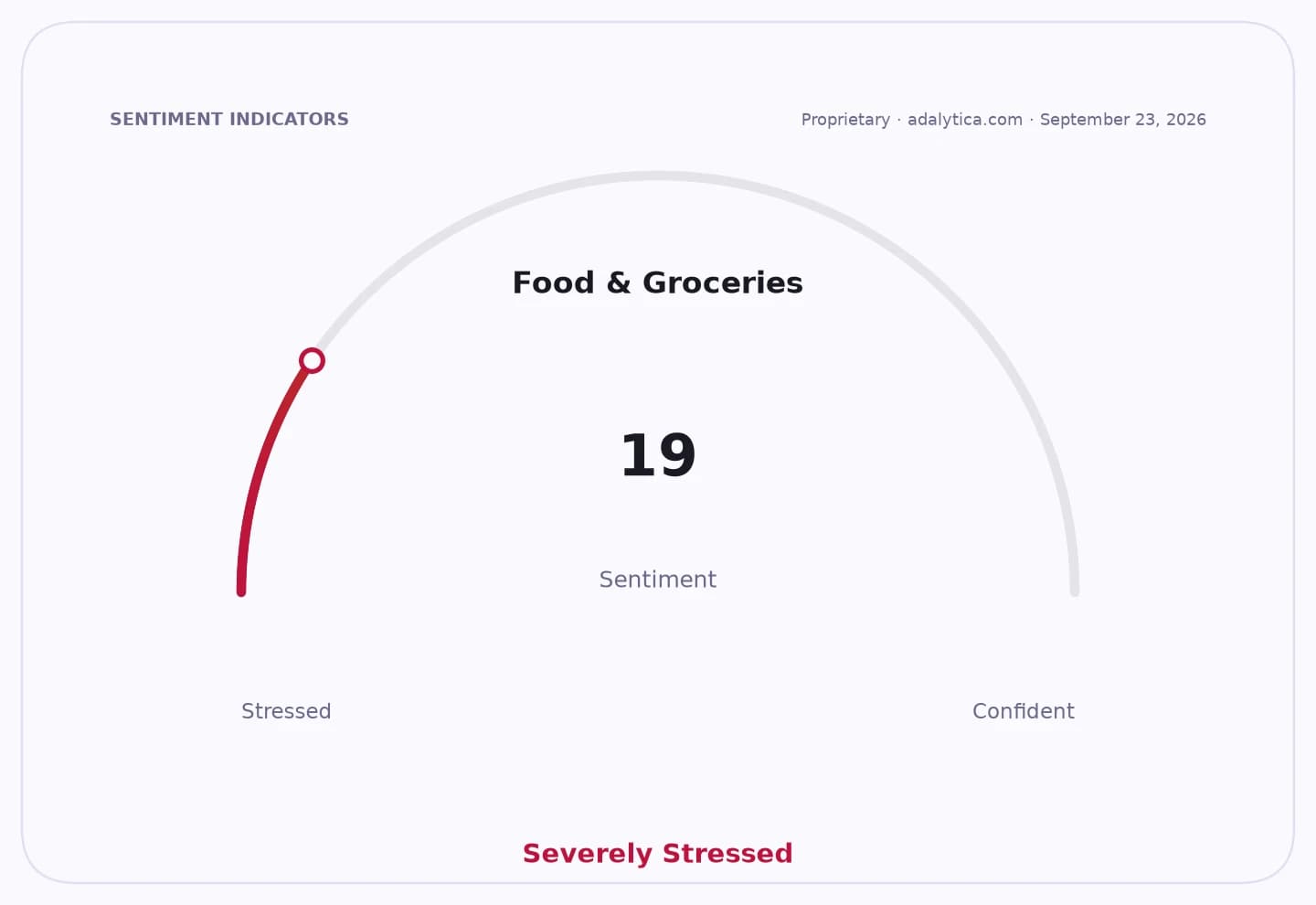
Sentiment IndicatorsⓘProprietary · adalytica.com · September 24, 2026
This is a snapshot — live sentiment, awareness and momentum for 130+ markets update continuously in the dashboard.Open AlphaPulse
That gap matters because rice is a core household staple and one of the most politically sensitive components of Indonesia’s inflation basket. Even modest national increases can have an outsized impact on headline inflation if they spread across a wide enough set of regions, and BPS said many districts and cities posted rice-price changes above 3%.
The pressure is most acute in eastern Indonesia and in more remote regencies, where logistics costs and supply constraints tend to amplify price swings. Papua Pegunungan recorded the sharpest provincial increase in rice price development, up 4.29%, while Yahukimo saw a jump of 47.94% at the district level. Mahakam Ulu and Minahasa also posted double-digit increases, and a string of other districts reported gains of 3% to 7.5%.
For policymakers, the issue is less the weekly move itself than the risk of persistence. Rice inflation can spill into transport, catering and broader food prices if traders and distributors begin repricing around higher wholesale costs. That would complicate efforts to keep annual inflation contained, especially if food prices remain volatile while other components are more stable.
Investors should watch the knock-on effects for Indonesian consumer spending and for expectations around monetary policy and food subsidies. Higher rice prices tend to pressure real disposable income, particularly for lower-income households that spend a larger share of income on staples. If the increase broadens, it can also lift demand for government intervention through market operations or supply releases.
The broader story is one of food inflation staying sticky even as authorities try to anchor prices through official retail ceilings. If supply conditions do not improve, the premium between market prices and the HET could widen further, leaving BPS’s latest reading as an early warning rather than a one-off fluctuation.
| Entity | Gains | Losses |
|---|---|---|
| Rice farmers/traders | ▲Higher selling prices | ▼— |
| Low-income households | ▲— | ▼Higher food bills |
| Indonesian inflation outlook | ▲— | ▼Upward pressure |
| Government price managers | ▲— | ▼More policy pressure |