Indonesia’s home affairs minister is pressing regional governments to move faster on food prices after August inflation climbed to 3.19% year on year, with rice, chicken, chilies and fresh fish doing most of the damage.
Indonesia inflation rises as food prices climb
The call matters because food makes up a large share of household spending in Indonesia, so even moderate price gains can quickly hit real incomes and consumer demand. Tito Karnavian said month-to-month inflation in August rose 0.21%, and warned that prolonged dry weather and forest fires could further squeeze production in the months ahead.
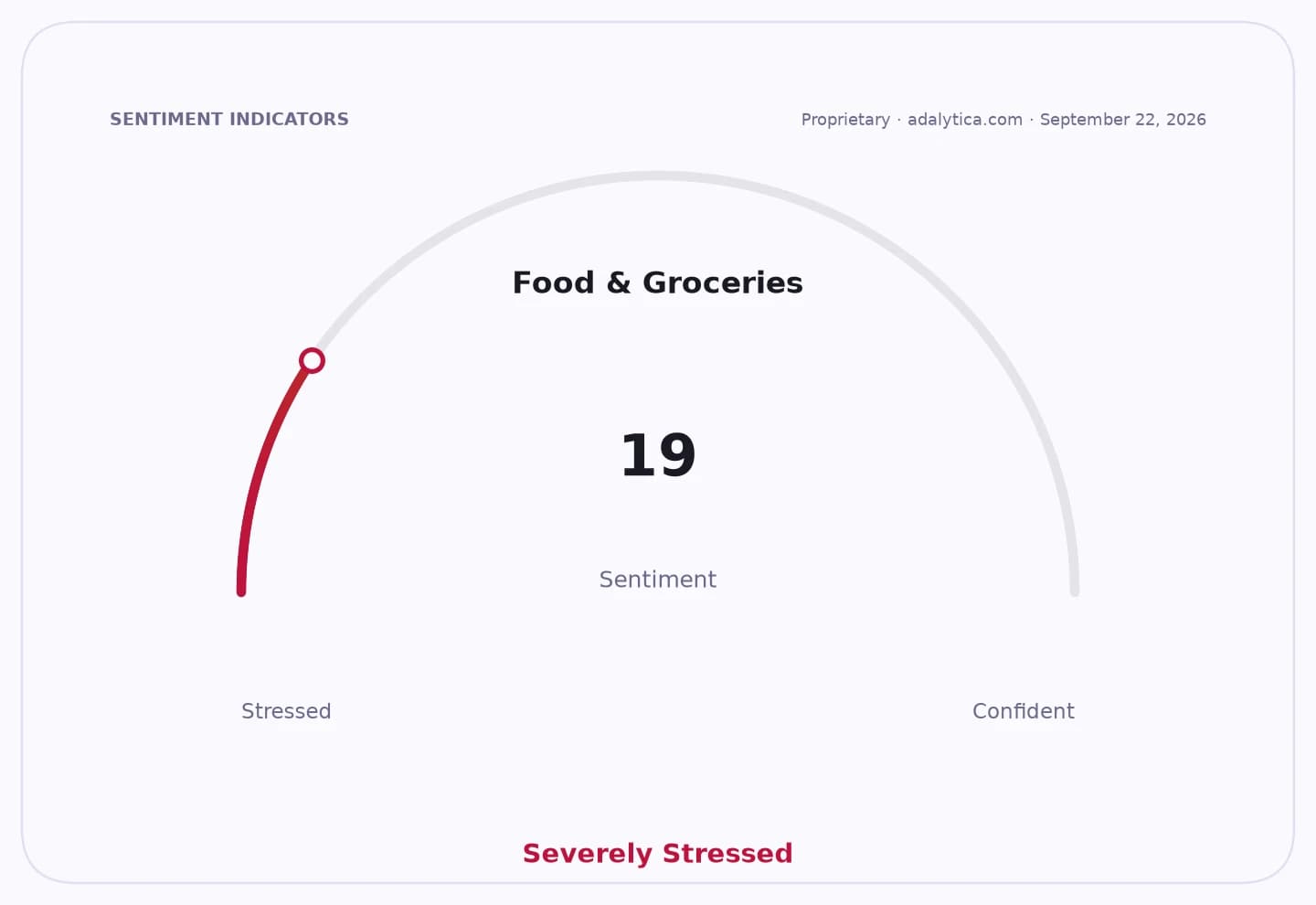
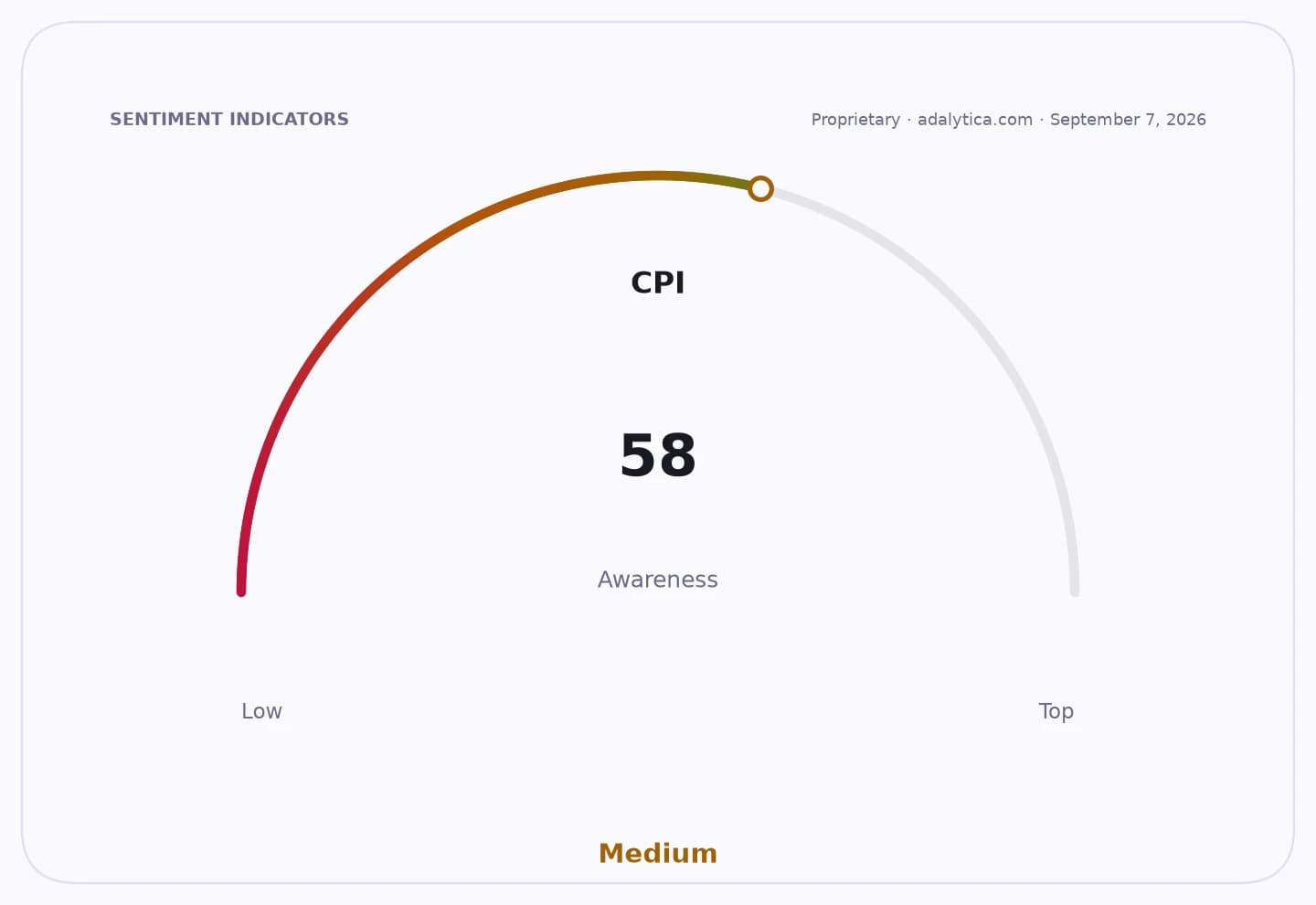
Sentiment IndicatorsⓘProprietary · adalytica.com · September 7, 2026
This is a snapshot — live sentiment, awareness and momentum for 130+ markets update continuously in the dashboard.Open AlphaPulse
The ministry said the most acute price pressure is showing up in food and beverages, with the heaviest contributors including broiler chicken, bird’s eye chilies, fresh fish and rice. Karnavian urged local governments to use rice SPHP supplies, market operations and other interventions in districts and cities where statistics agency data show rising price stress.
The policy push comes as Maluku Utara posted the country’s highest provincial inflation at 5.28%, while Kapuas had the highest regency reading at 6.2% and Ternate led among cities at 5.75%. By contrast, Kalimantan Utara, Morowali and Palopo were singled out for more contained inflation, underscoring how uneven food-price pressure remains across the archipelago.
For investors, the message is that Indonesia’s inflation mix is being driven more by volatile food items than broad-based demand, which can keep pressure on consumer purchasing power without forcing an immediate policy shock. Elevated food inflation also raises scrutiny on farm inputs, logistics and retail margins, while any stronger state intervention could dampen short-term price spikes in rice and poultry.
The broader backdrop is not helping. Global food prices rose in August to their highest since 2022, according to the FAO, adding another layer of risk for an import-dependent food system already exposed to weather disruptions and supply volatility.
The next focus will be whether regional interventions can cool rice and vegetable prices before dry-season supply stress deepens further into the year.
| Entity | Gains | Losses |
|---|---|---|
| Regional governments | ▲Political cover for action | ▼Pressure to cap prices |
| Consumers | ▲Cheaper food if interventions work | ▼Higher grocery bills now |
| Farmers and poultry producers | ▲Support if prices stabilize | ▼Margin pressure from controls |
| Retailers and traders | ▲Clearer policy response | ▼Volatility in supply and pricing |