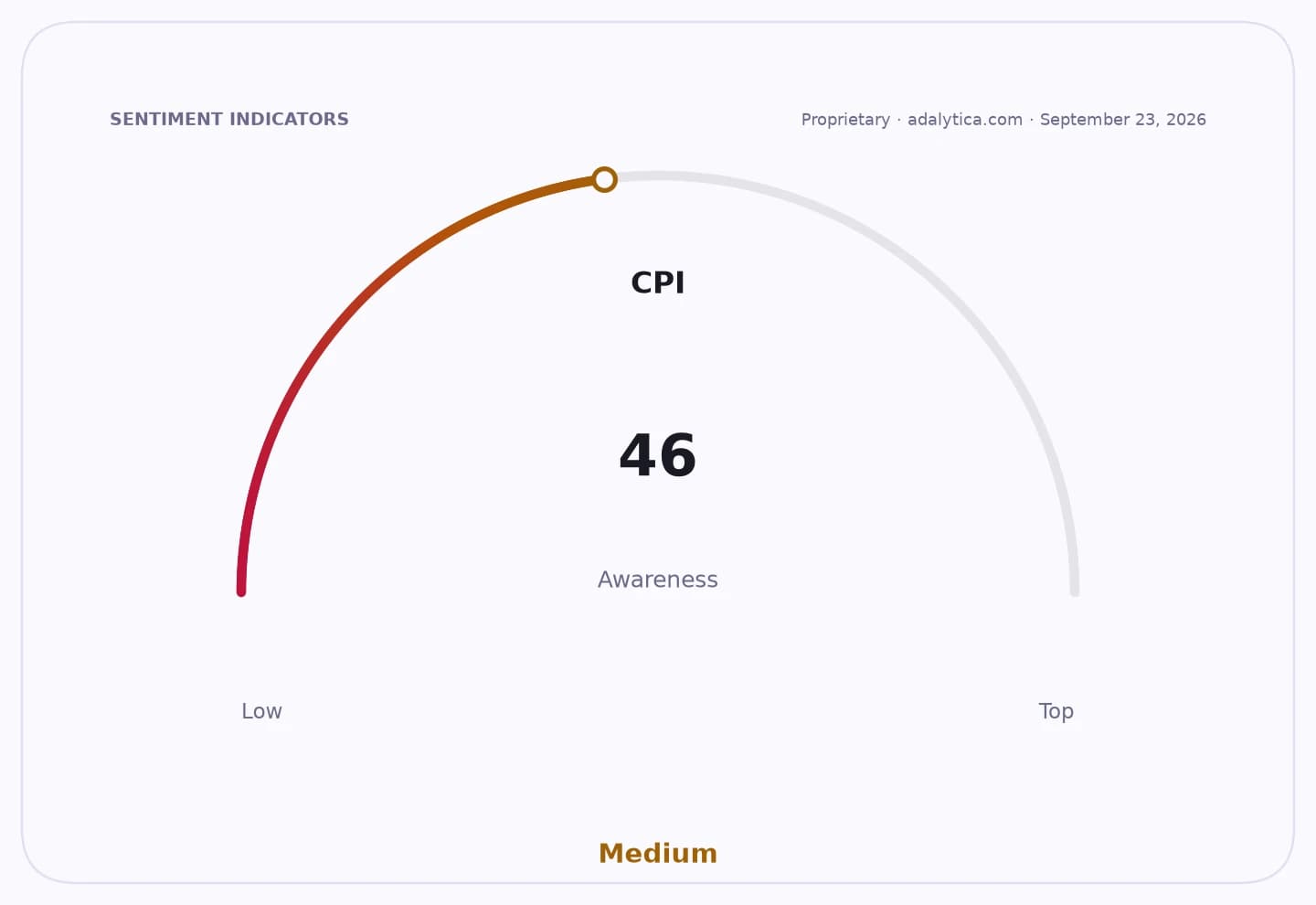
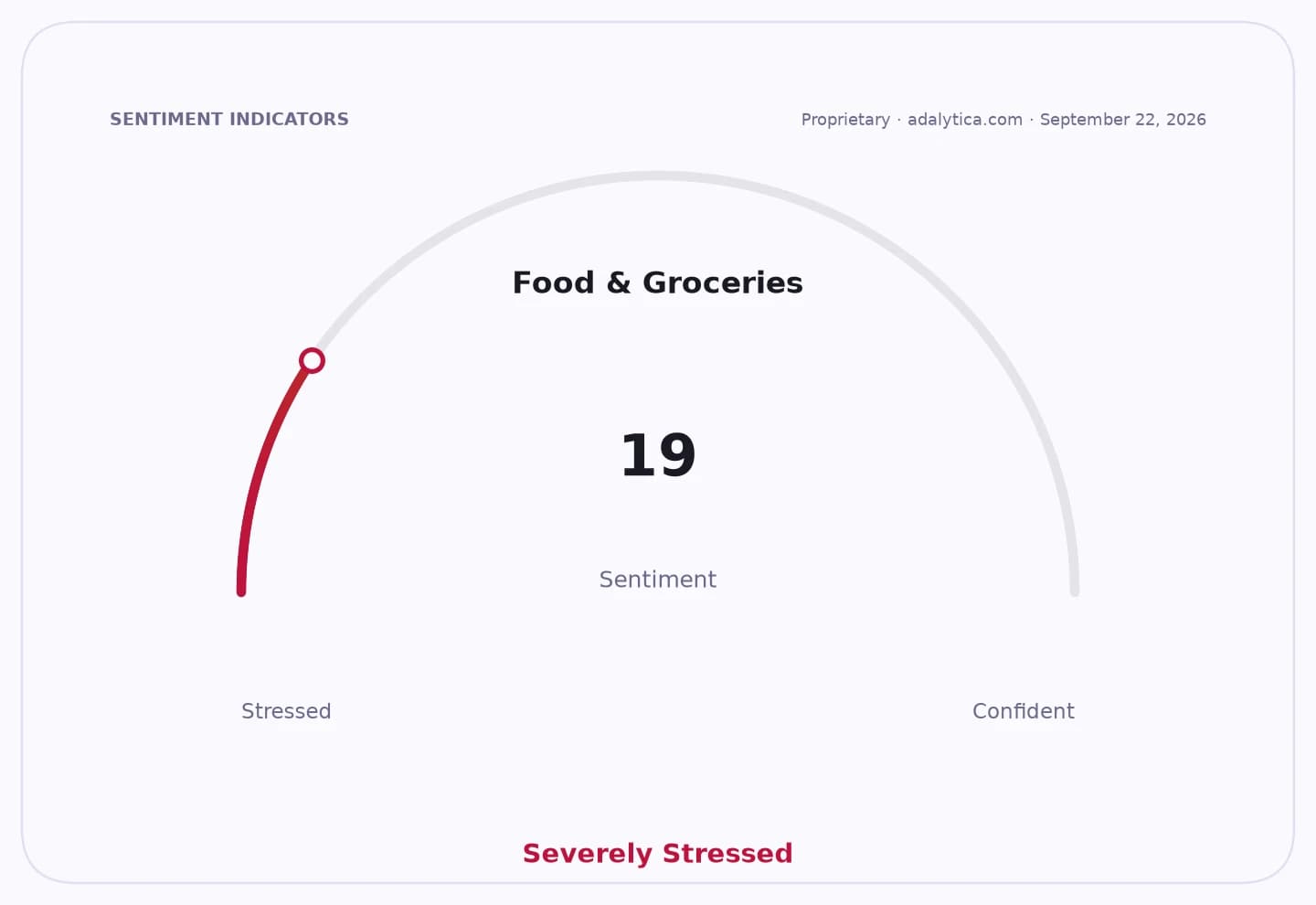
Potatoes, tomatoes and onions are costing about one quetzal more in Guatemala’s markets as higher diesel prices, national strikes and weaker rainfall push up transport and production costs in a fresh hit to household budgets.
Guatemala staple food prices rise on diesel and drought
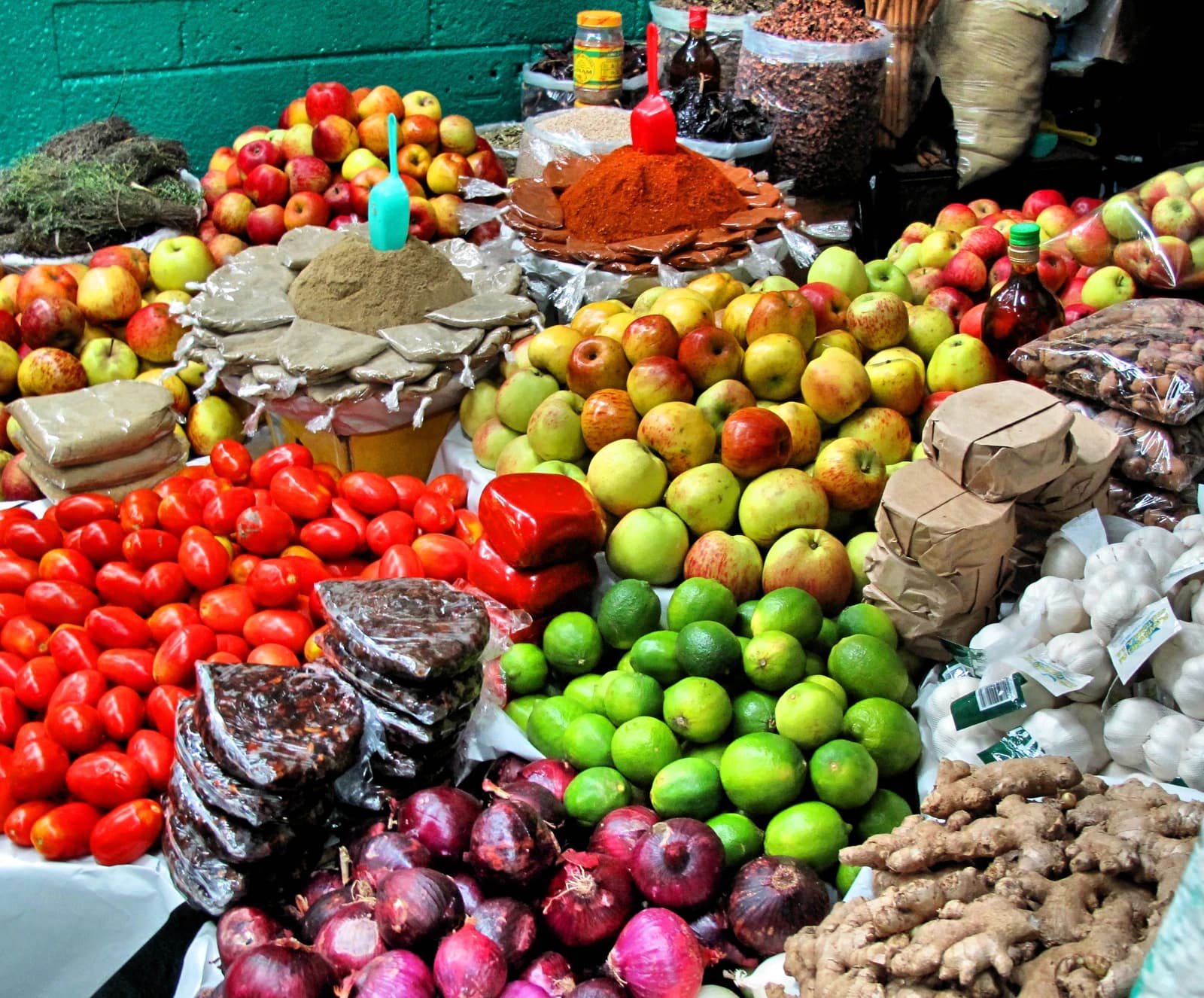
The increase matters because it lands on some of the country’s most widely consumed staples, raising near-term food inflation pressure just as consumers are already absorbing a broader rise in living costs. The consumer price backdrop has been elevated, and imported and transport-sensitive goods are particularly vulnerable when fuel prices jump.
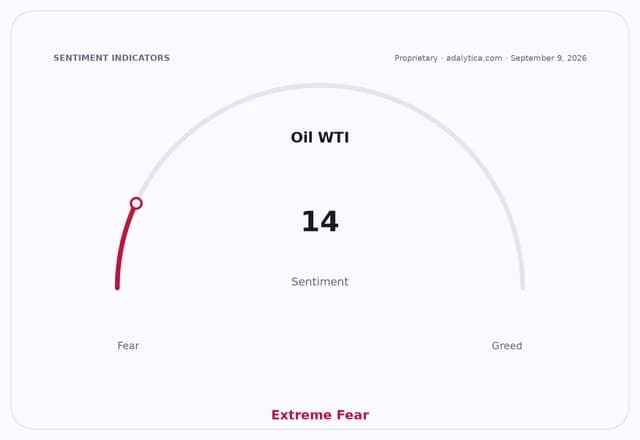
Sentiment IndicatorsⓘProprietary · adalytica.com · September 9, 2026
This is a snapshot — live sentiment, awareness and momentum for 130+ markets update continuously in the dashboard.Open AlphaPulse
Guatemala’s consumer watchdog, the Diaco, said its inspections of municipal markets, supermarkets and neighborhood shops show the most sensitive products have already passed through the latest cost shock to shoppers. Herber Ordóñez, head of verification at the agency, said businesses had absorbed price increases since April but could no longer sustain that buffer and were forced to pass them on.
Diesel is central to the transmission mechanism. Higher fuel costs raise the expense of moving produce from farms to wholesale hubs and then to retail outlets, while strikes disrupt the flow of goods and add operating costs. That combination can quickly tighten supply in perishable food lines where margins are thin and inventories cannot be held for long.

Weather is compounding the problem. Reduced rainfall has hit production of several crops, reinforcing the supply squeeze at a time when food prices globally have already been under strain from adverse weather and conflict. The result is a local inflation shock that is small in nominal terms but broad in impact because it affects daily necessities.
For investors, the story is less about the one quetzal increase itself than about the persistence of cost-push inflation in an economy where transport, weather and labor disruption can move prices quickly. Retailers and food distributors face margin pressure if they absorb costs, but consumer demand weakens if they keep passing them through. Fuel-linked businesses remain exposed to swings in oil, while any spillover into wider inflation could affect rates, credit quality and discretionary spending.
The key question now is whether the price increases remain contained to a handful of staples or spread further through the food basket if diesel stays elevated and disruptions continue. If supply normalizes and rainfall improves, some of the pressure could ease; if not, Guatemala’s low-income households are likely to bear the brunt of another round of food inflation.
| Entity | Gains | Losses |
|---|---|---|
| Fuel suppliers | ▲Higher revenue per barrel | ▼Demand sensitivity |
| Transport operators | ▲None | ▼Higher operating costs |
| Merchants and retailers | ▲Ability to pass through costs | ▼Margin compression |
| Consumers | ▲None | ▼Higher staple food bills |