Guatemala’s corn market is under strain as the price of a quintal climbs to 350 quetzales, forcing tortilla makers to shrink the product to keep selling three tortillas for 1 quetzal.
Guatemala corn prices rise to 350 quetzales
The jump matters because corn is the core input for one of the country’s cheapest and most widely consumed foods, so higher grain costs feed straight into household budgets and small-business margins. It also adds pressure to food inflation in a market where consumers have limited room to absorb higher prices.
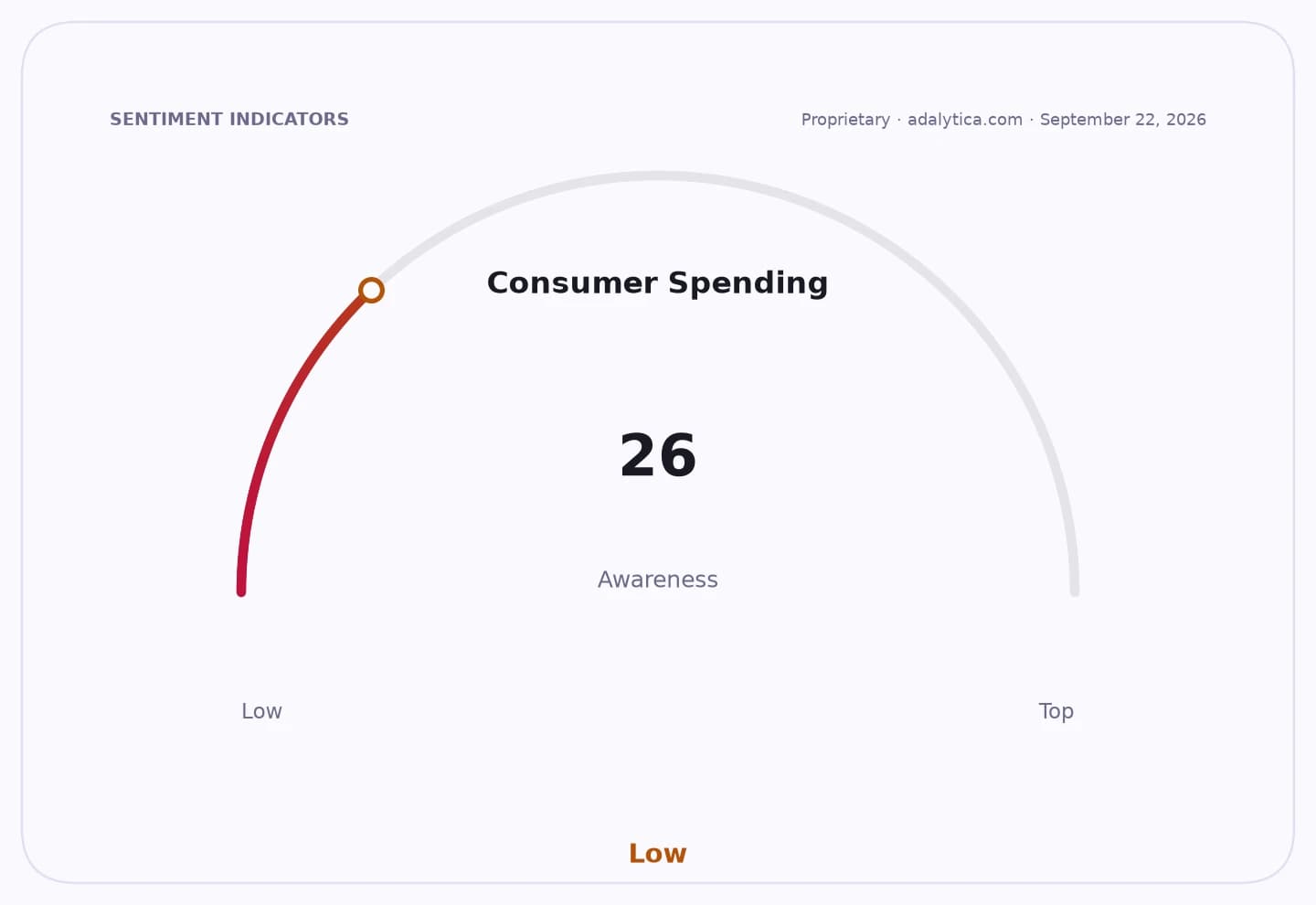
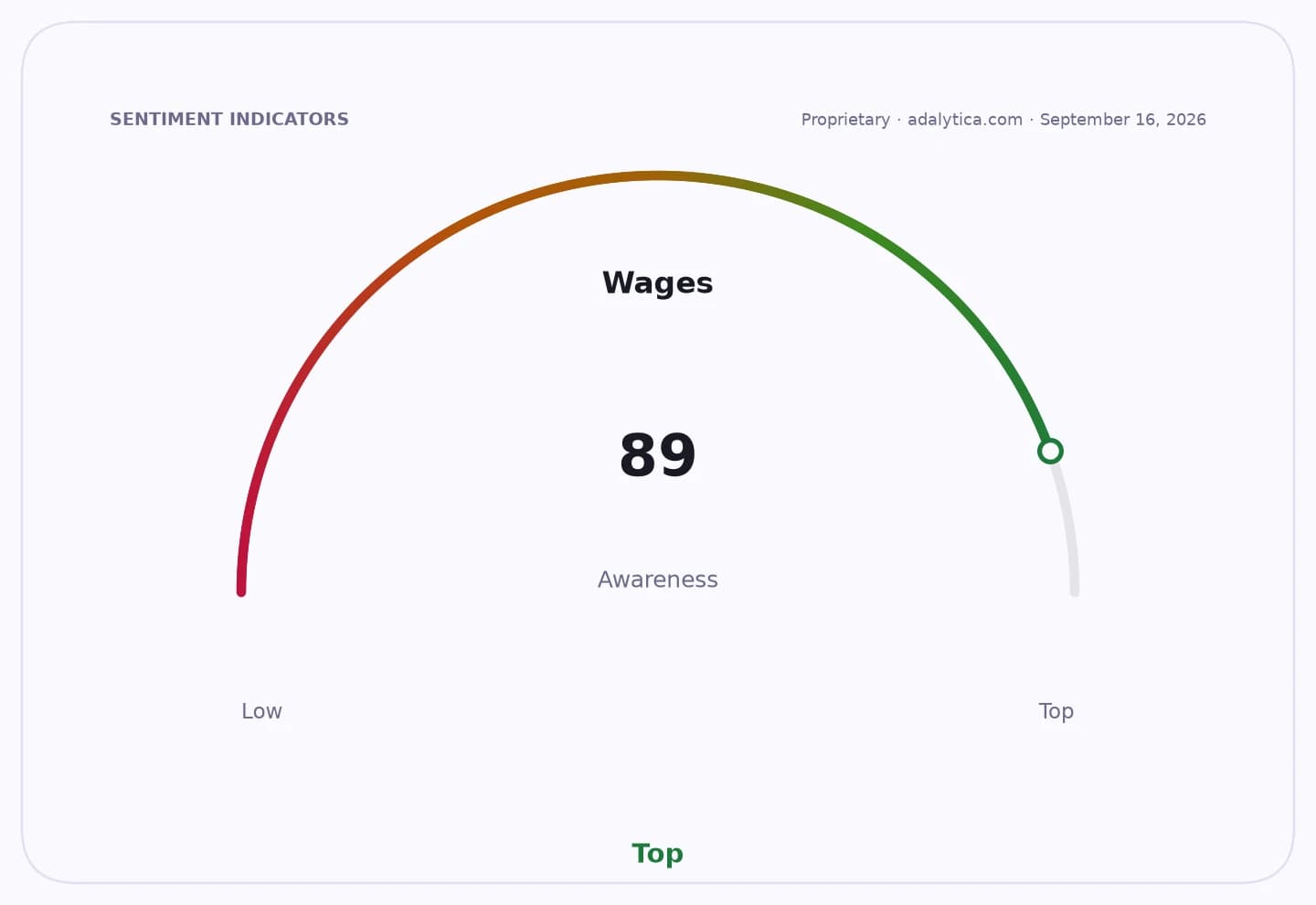
Sentiment IndicatorsⓘProprietary · adalytica.com · September 5, 2026
This is a snapshot — live sentiment, awareness and momentum for 130+ markets update continuously in the dashboard.Open AlphaPulse
Local monitoring cited increases of as much as 50 quetzales per quintal, with vendors blaming a lack of rain and higher fuel costs for the spike. In practical terms, tortilla makers are protecting sales volumes by reducing size rather than raising sticker prices, a tactic that can preserve demand but cuts the value consumers get for the same cash.
The squeeze hits both ends of the market: consumers pay more per unit of nutrition, while small tortilla shops and millers face tighter margins and more working-capital pressure as grain inputs rise. For Guatemala’s broader economy, the move is another sign that weather shocks in the dry corridor are still feeding through to essential food prices.
The next catalyst is weather. If rains remain weak and transport costs stay elevated, tortilla makers will have little choice but to keep adjusting size or price, and the inflation pass-through could broaden beyond corn-based staples.
| Entity | Gains | Losses |
|---|---|---|
| Tortilla makers | ▲Preserve sales at 3-for-1 quetzal | ▼Squeeze margins and product value |
| Consumers | ▲Short-term access to cheap tortillas | ▼Pay more per calorie |
| Corn sellers | ▲Benefit from higher grain prices | ▼Face demand pressure if prices keep rising |
| Guatemala households | ▲None | ▼Higher food inflation and reduced purchasing power |