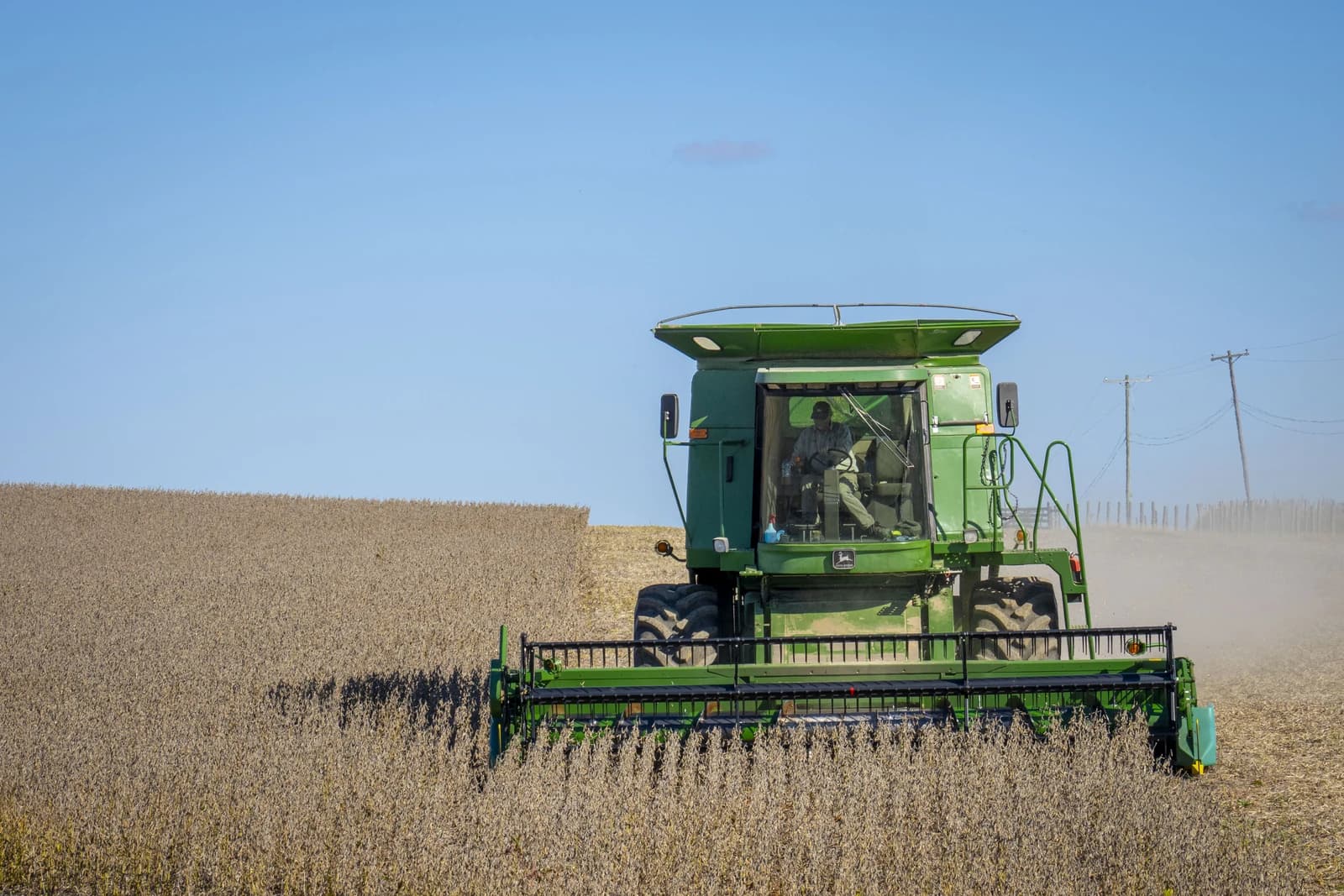
U.S. farmers have begun pulling in this year’s corn and soybean crops, a pace that points to a shifting supply picture for the grain complex and a likely drag on prices if yields hold up through the peak of harvest.
Corn and soy harvest starts with price pressure

The early-season progress matters because the market is moving from weather-driven uncertainty toward physical supply. With corn harvest at 13% and soybeans at 12%, traders are starting to price in the volume that will hit bins, rail lines and export channels over the coming weeks. That transition typically increases hedge pressure from growers, narrows nearby spreads and can cap rallies unless fresh demand or weather setbacks intervene.
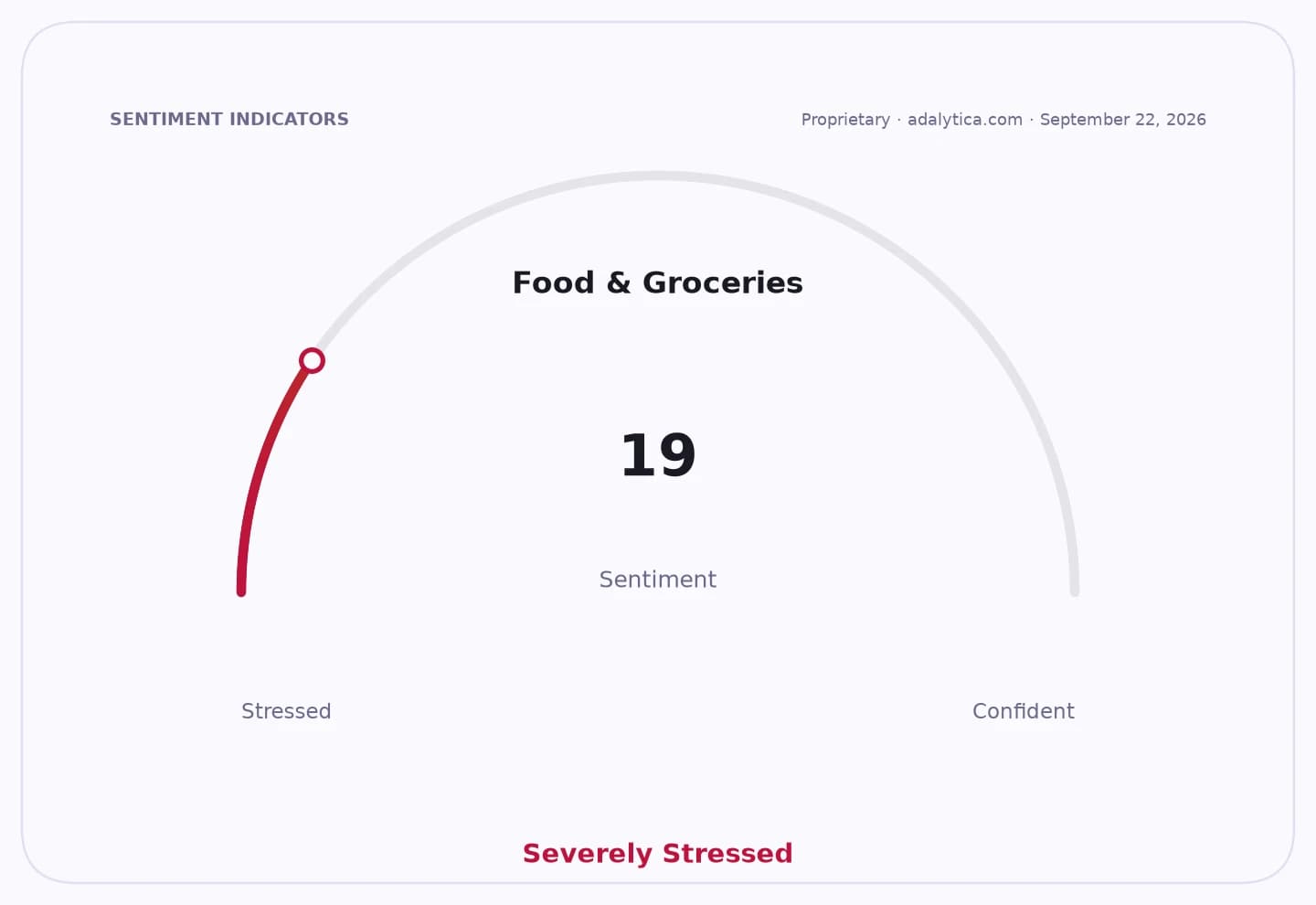
Sentiment IndicatorsⓘProprietary · adalytica.com · September 25, 2026
This is a snapshot — live sentiment, awareness and momentum for 130+ markets update continuously in the dashboard.Open AlphaPulse
For corn, the harvest pace comes after a summer in which prices repeatedly tested higher technical levels before easing back. Corn futures recently slipped from a late-August push above $20 to just under $19.75, while the 50-day moving average remains above the 200-day average, suggesting the broader trend is still constructive even as short-term momentum cools. The relative strength index has fallen from overbought territory earlier in the season to the low-40s, a sign the contract is no longer stretched and may be more vulnerable to harvest pressure.
Soybeans are in a similar position, though the market backdrop has been somewhat firmer. SOYB has held around $27.92, well above its 200-day average and near its 50-day line, after a strong September run that lifted prices toward $28. That leaves the market less fragile than corn on a chart basis, but not immune to the usual seasonal pattern in which harvest supplies temper nearby prices unless export demand accelerates.
The fundamental significance extends beyond futures pricing. A faster harvest can improve cash flow for producers, but it also locks in income at a time when margins remain sensitive to input costs and financing expenses. For buyers — livestock feeders, ethanol plants and processors — the arrival of new crop tends to improve procurement leverage and ease basis tightness in key production regions. Exporters, meanwhile, will be watching whether U.S. supply arrives into a market already competing with South American and Black Sea origins.
The macro backdrop is mixed. Oil prices have eased toward the mid-$90s a barrel, which can reduce support for biofuel-related demand expectations, while broader equity sentiment remains constructive but not euphoric. In grain markets, that leaves weather, yield reports and export bookings as the main catalysts. If yields come in near expectations, the harvest pace could reinforce a softer pricing environment into October. If late-field conditions hurt quality or futures demand improves, the market could absorb the supply more easily.
For investors, the key question is whether this is the start of a normal seasonal fade or the beginning of a more durable supply overhang. The answer will depend on the eventual yield outcome, basis behavior and whether export demand from importers remains strong enough to offset the heavier flow of new-crop grain.
| Entity | Gains | Losses |
|---|---|---|
| Grain buyers | ▲Cheaper physical supply | ▼Less upside from tightness |
| Corn and soybean farmers | ▲Harvest cash flow | ▼Lower pricing leverage |
| Processors and feeders | ▲Better procurement costs | ▼Weaker resale margins if demand softens |
| Grain futures longs | ▲Stabilization if yields disappoint | ▼Harvest-season price pressure |