Global corn markets are heading into their tightest balance in more than three decades, with consumption projected to outstrip production by about 29 million tons in 2026/27, a shortfall that is already lifting grain prices and tightening supplies for food, feed and ethanol buyers.
Corn Markets Face Tightest Supply In 33 Years
The deficit matters because corn sits at the center of the livestock, biofuels and processed-food supply chain. A gap of that size would be the biggest in 33 years, according to market analyst Karen Braun cited by Investing.com, and it comes as production in exporting countries is also seen falling by 84 million tons for corn and wheat combined, roughly equal to the US corn export program.
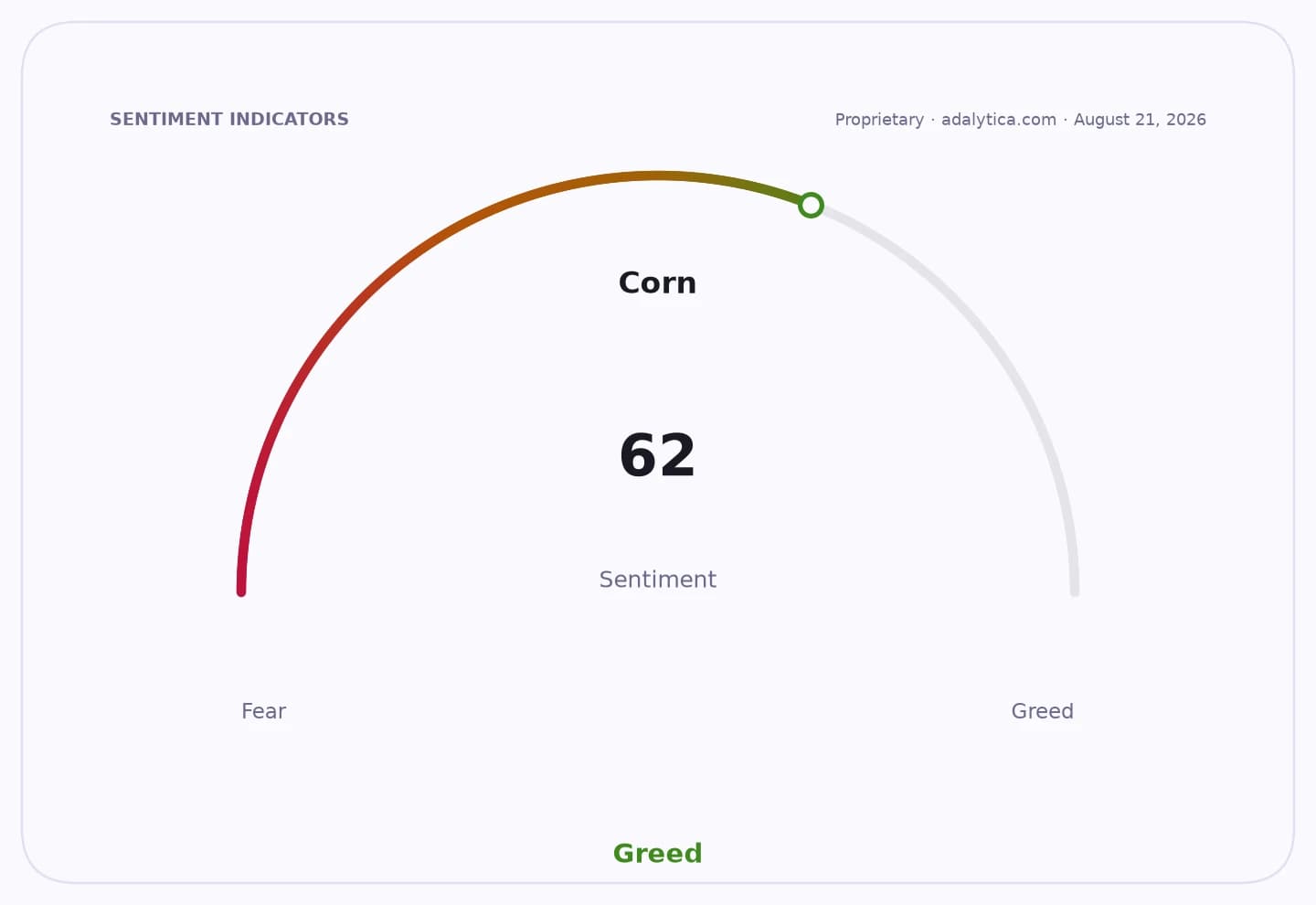
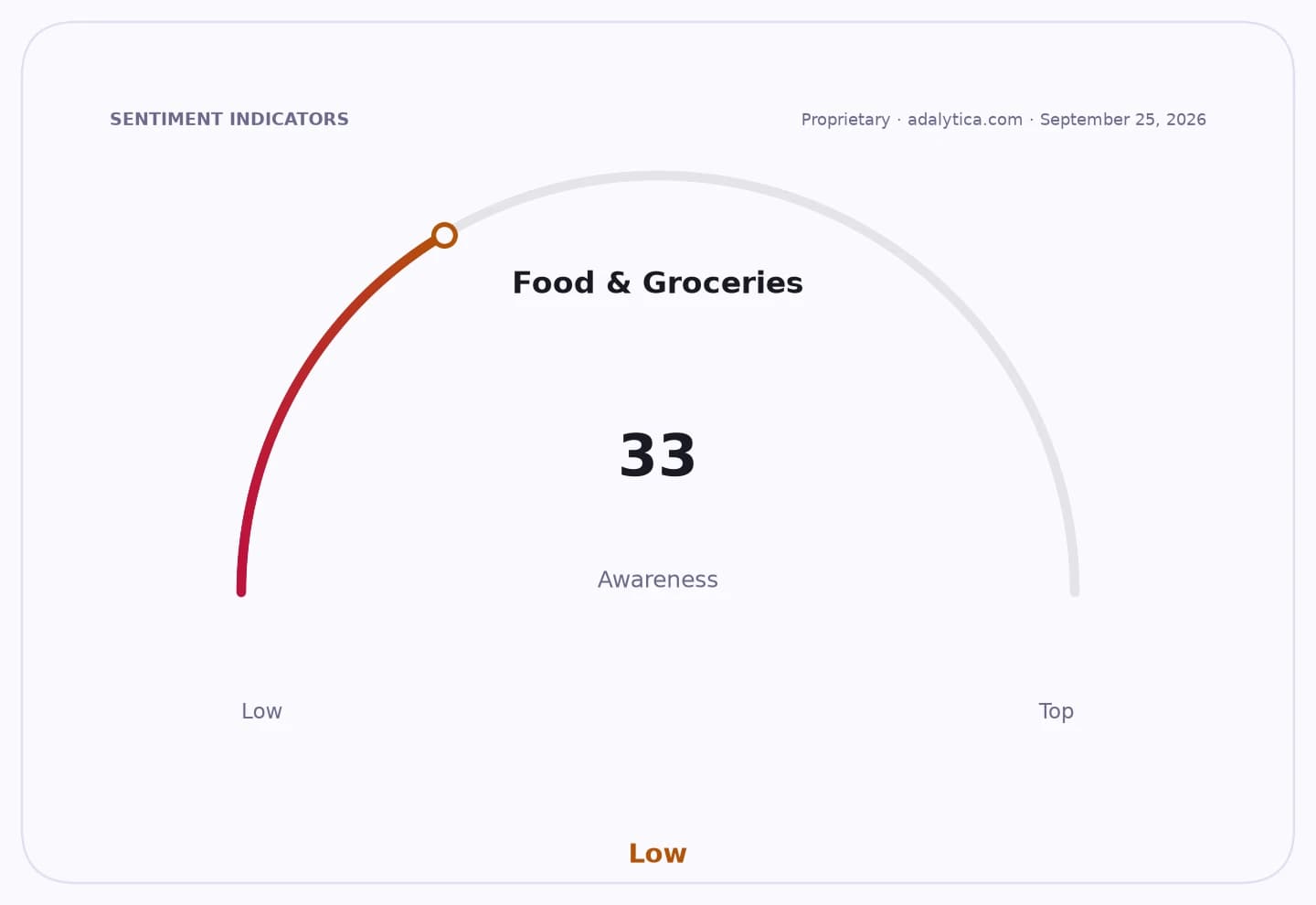
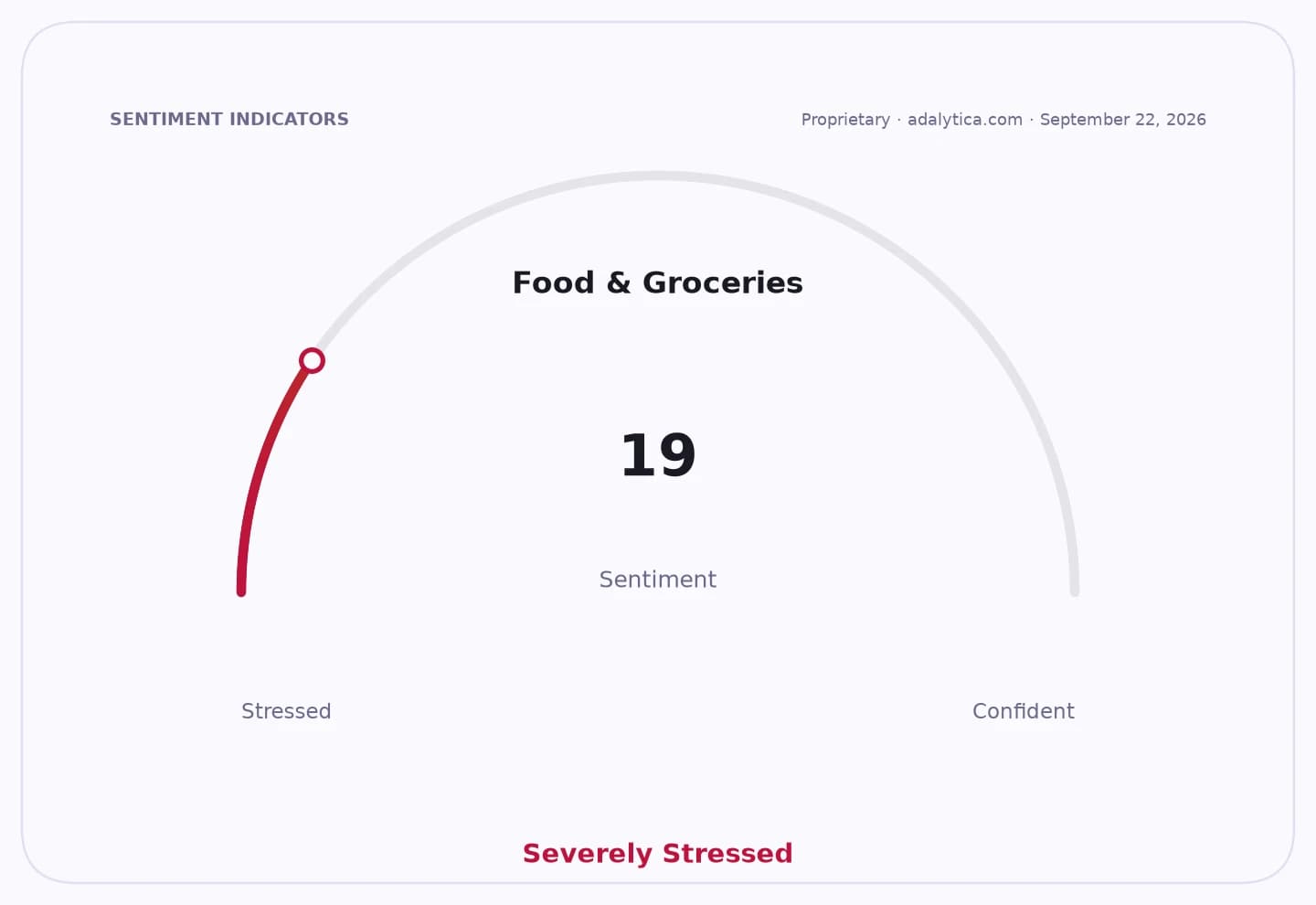
Sentiment IndicatorsⓘProprietary · adalytica.com · September 25, 2026
This is a snapshot — live sentiment, awareness and momentum for 130+ markets update continuously in the dashboard.Open AlphaPulse
Prices have already responded. Corn and wheat are up about 8% since early May, while the US corn stocks-to-use ratio has slipped to 9.7% from 12.1% at the start of the year, moving below the closely watched 10% threshold. The decline follows an 11-point cut in US yield estimates late in the summer after hot weather hurt crop prospects.
For investors, the setup favors grain traders, farmers with remaining inventory and suppliers exposed to higher agricultural prices, while it pressures livestock producers, food manufacturers and importers that rely on steady corn availability. Corn-focused products have reflected the shift, with the CORN ETF trading at $19.68 on Sept. 24, above both its 50-day and 200-day moving averages, while its RSI has cooled from overbought levels, suggesting the rally has paused even as the broader trend stays firm. The DBA agriculture fund has also held near $28.55 after a summer run-up.
The outlook now hinges on final US yields, export flows from the Black Sea region and the impact of El Niño on the next crop cycle. Ukraine’s exports and any further disruption in the Black Sea corridor could tighten the market further, while stronger output in Argentina would help soften the squeeze.
| Entity | Gains | Losses |
|---|---|---|
| Grain exporters | ▲Higher prices | ▼Tighter supply risk |
| Corn farmers | ▲Better crop revenue | ▼Weather yield uncertainty |
| Livestock/feed buyers | ▲— | ▼Higher input costs |
| Corn ETFs/traders | ▲Momentum and volatility | ▼Pullback risk from overbought levels |