Poultry farmers are facing another jump in feed costs just as drought and fire damage are tightening supplies, threatening margins in a sector where feed is often the single biggest expense.
Poultry farmers face higher feed costs from drought
The immediate problem is economic: when feed prices climb, producers have little room to offset the hit because poultry is a high-volume, low-margin business. In the worst-affected farms, buffer feed can make up as much as half of the diet, leaving farmers exposed to any disruption in grain availability or transport. The result is pressure on cash flow, delayed restocking and, in some cases, forced culling or reduced flock sizes if farmers cannot afford to keep birds fed through the next cycle.
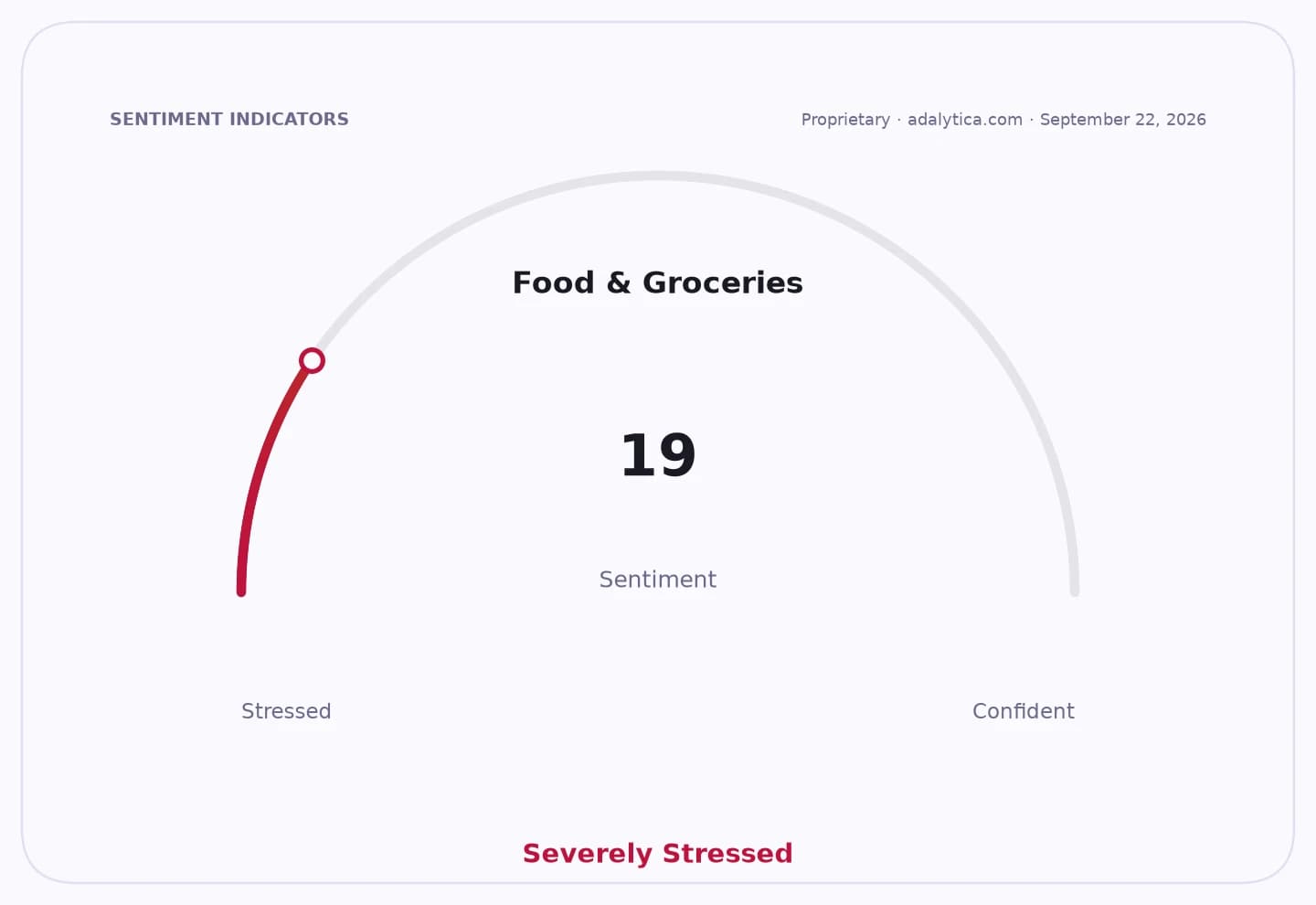
Sentiment IndicatorsⓘProprietary · adalytica.com · September 7, 2026
This is a snapshot — live sentiment, awareness and momentum for 130+ markets update continuously in the dashboard.Open AlphaPulse
The broader significance is that this is not just a local weather story but a supply-chain and inflation story. Drought in Bavaria has reduced the availability of local grains, pushing farmers toward cheaper substitutes such as palm kernel feed. That can help bridge shortages, but it also changes feed composition, complicates nutrition management and underscores how dependent livestock production remains on a narrow set of agricultural inputs. A recent fire that damaged feed warehouses and livestock pens added a second shock, further constraining already fragile logistics.
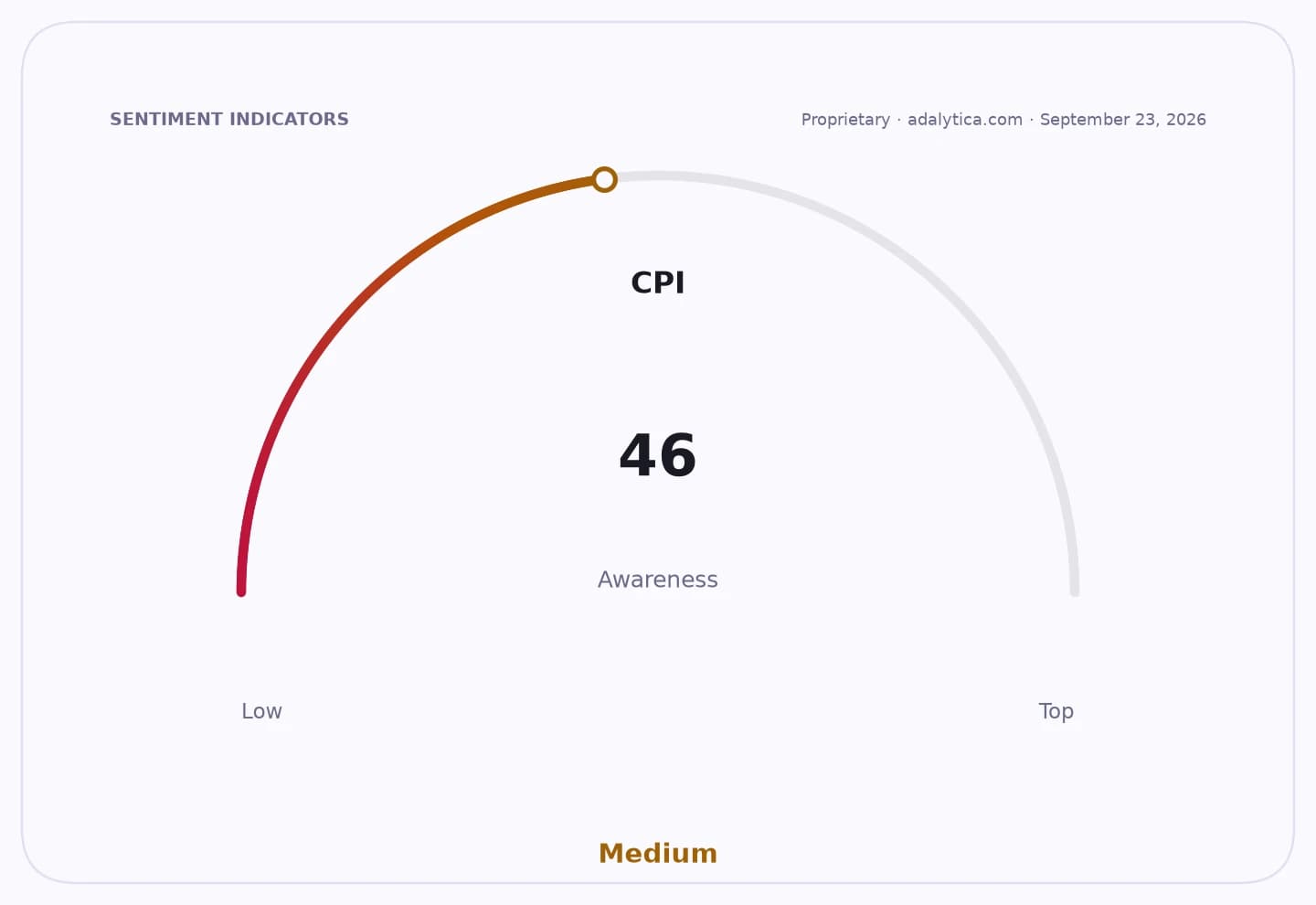
Commodity markets reinforce that tension. U.S. agricultural and energy benchmarks have stayed elevated enough to keep input costs under pressure, and producers are still dealing with the lagged effects of broader food inflation. The CPI is still running far above pre-pandemic levels, while the producer-price index for all commodities remains elevated relative to historical norms, a reminder that agricultural cost shocks can be slow to unwind even when headline inflation cools. For livestock operators, that means input relief is likely to be uneven and delayed.
Investors should care because sustained feed inflation flows directly through to earnings at poultry and egg producers, while supporting pricing power for grain processors, oilseed handlers and feed suppliers. Tyson Foods and Archer-Daniels-Midland sit on opposite sides of that equation: higher feed costs can squeeze poultry margins, but they can also support trading, origination and processing volumes for agribusiness suppliers. Bunge, too, is positioned to benefit if grain and oilseed flows remain tight. The downside is that if consumers balk at higher poultry prices, producers may not be able to pass along the full cost burden.
The key question now is whether weather improves enough to rebuild local feed availability before farmers are forced into more costly substitutions or smaller flocks. If drought persists, feed costs could remain sticky into the next production cycle, keeping pressure on livestock margins even as suppliers and traders capture more of the value chain.
| Entity | Gains | Losses |
|---|---|---|
| Poultry farmers | ▲None or limited relief | ▼Higher feed bills, thinner margins |
| Feed suppliers / grain traders | ▲Stronger pricing, higher volumes | ▼Farmer demand destruction risk |
| Tyson Foods (TSN) | ▲Limited pass-through, potential pricing support | ▼Poultry margin pressure |
| ADM / Bunge | ▲Tighter supply, stronger origination activity | ▼Lower livestock feed demand if herds shrink |