Egypt’s poultry sector is pushing for a formal pricing formula to steady chicken and egg prices after farm-gate values diverged sharply from what shoppers pay, highlighting a market where transport costs, middlemen margins and weight losses are setting the final bill.
Egypt Poultry Sector Seeks Pricing Formula

Abdulaziz El-Sayed, head of the poultry division at Egypt’s Chamber of Commerce, said a fair farm price for chicken is about 74 to 75 Egyptian pounds per kilogram, while production costs run from 70 to 72 pounds and can reach 75 pounds depending on the farm. He said consumer prices recently climbed to about 65 to 66 pounds after having fallen to 58 to 59 pounds, underscoring how quickly prices can swing.
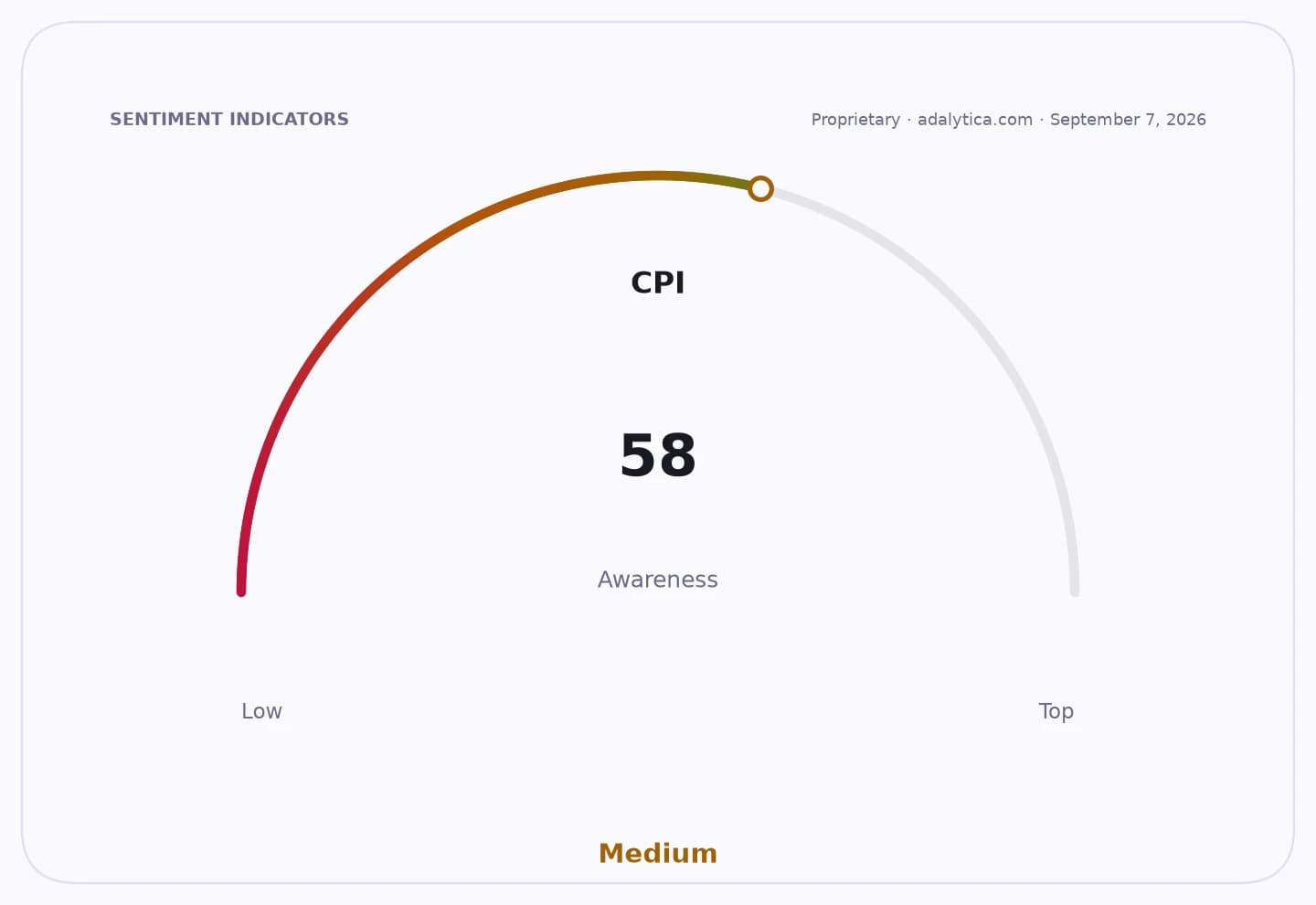
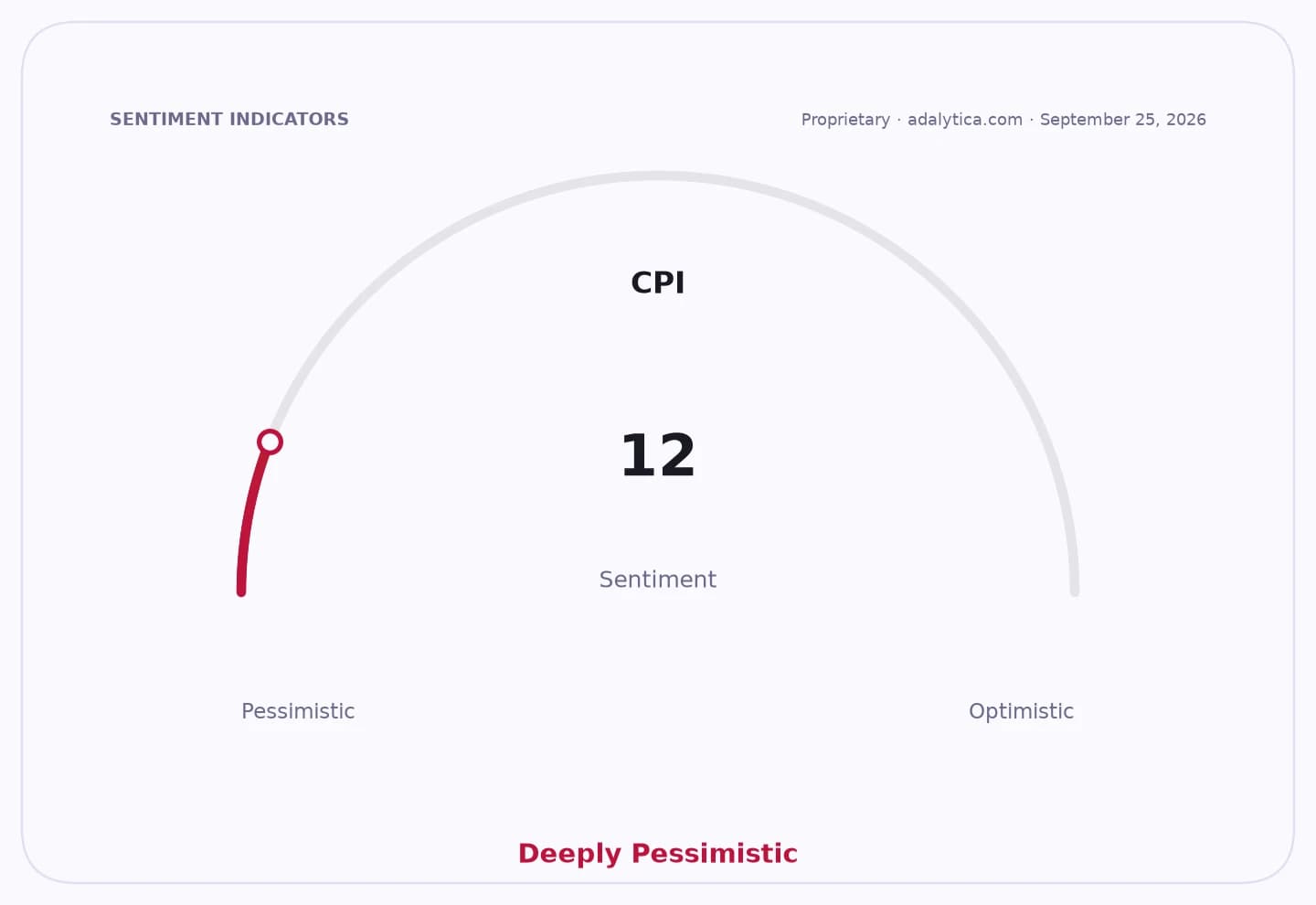
Sentiment IndicatorsⓘProprietary · adalytica.com · September 4, 2026
This is a snapshot — live sentiment, awareness and momentum for 130+ markets update continuously in the dashboard.Open AlphaPulse
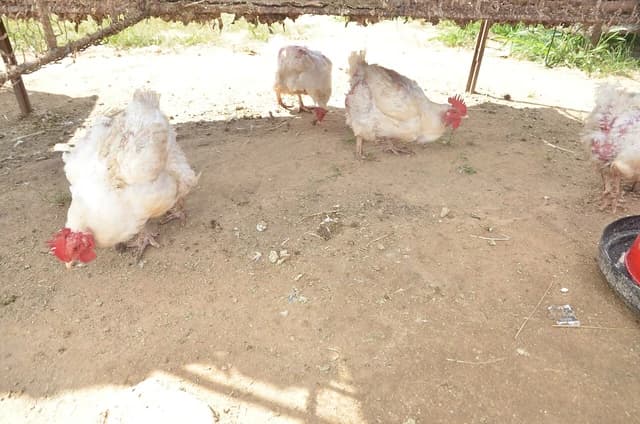
That volatility matters because poultry is one of Egypt’s most important cheap-protein sources and a key line item in household food spending. When prices move sharply day to day, producers struggle to plan output and consumers face abrupt changes in grocery bills, adding pressure to already stretched budgets.
El-Sayed said the gap between farm and retail prices comes from multiple intermediaries, freight costs and losses during distribution, including weight loss that can amount to 20 to 30 kilograms per ton in transit. He argued that the producer should earn enough to keep operating, but not at the expense of “unjustified” gains for traders along the supply chain.

He also called for activating a dedicated poultry exchange to set prices based on actual production costs, saying the same approach could help stabilize egg prices. Eggs have been under particular pressure in regional markets, with prices reported up about 40% over the past year and still elevated despite expectations that higher output would cool the market.
For investors, the message is that poultry margins will remain highly sensitive to feed, logistics and pricing discipline across the supply chain. Any move toward a more formal price formula could support processors and farms by reducing volatility, but it could also cap upside if retail prices stay above cost-based levels.
The next catalyst is whether Egyptian authorities or industry groups act on the call for a pricing mechanism, especially as food inflation remains a politically sensitive issue and winter demand could keep pressure on poultry and egg prices.
| Entity | Gains | Losses |
|---|---|---|
| Poultry producers | ▲cost-based pricing, steadier margins | ▼sharp price swings |
| Consumers | ▲fewer unjustified markups | ▼low prices if supply tightens |
| Wholesalers/retailers | ▲clearer pricing rules | ▼wider trading margins |
| Egg market | ▲exchange-based stabilization | ▼speculative price spikes |