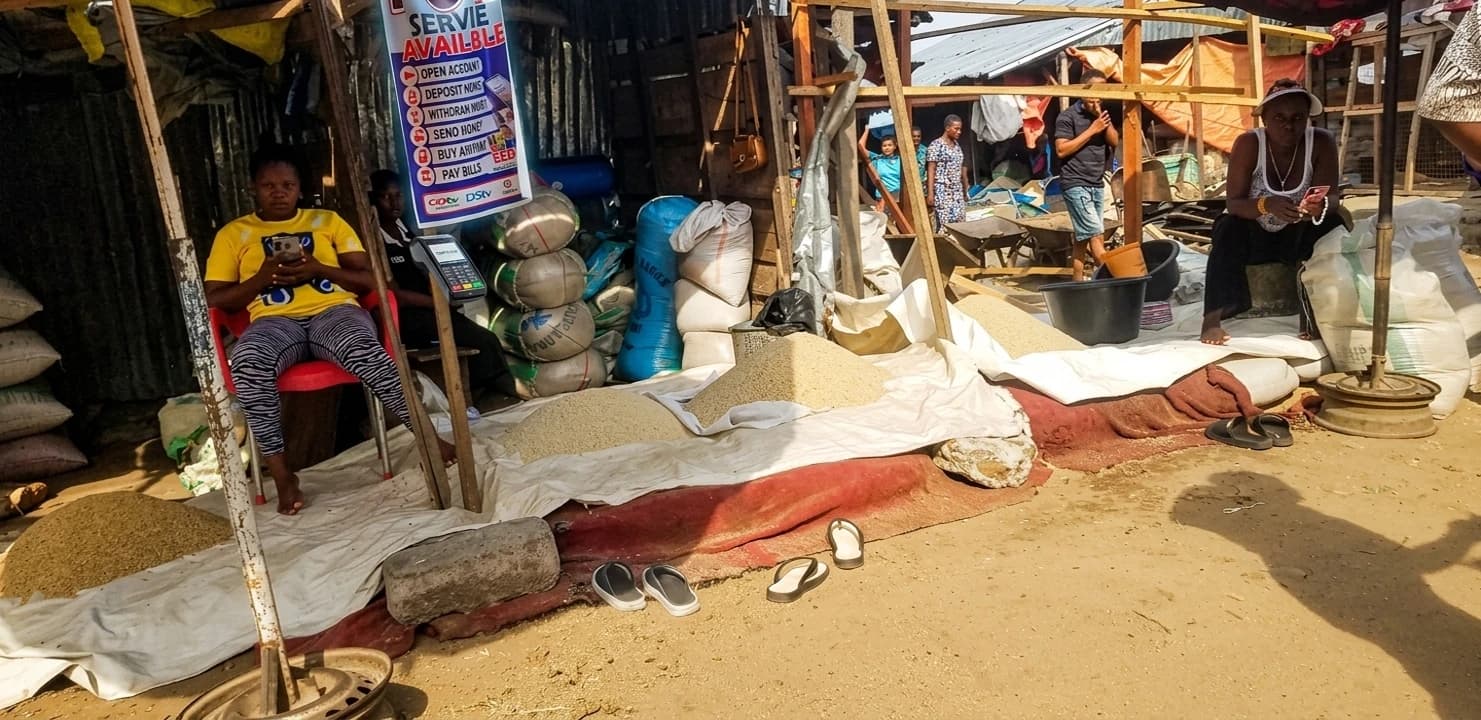
Turkey has arrested 33 people accused of inflating fruit and vegetable prices, putting the country’s food supply chain under fresh scrutiny as consumers continue to face elevated grocery costs.
Turkey arrests 33 over fruit and vegetable prices

The detentions matter because food prices are one of the fastest ways inflation feeds into household budgets and politics. When middlemen are accused of squeezing supply and marking up produce, the issue becomes less about a few traders and more about whether Ankara can restrain a key driver of living-cost pressure without distorting the market further.
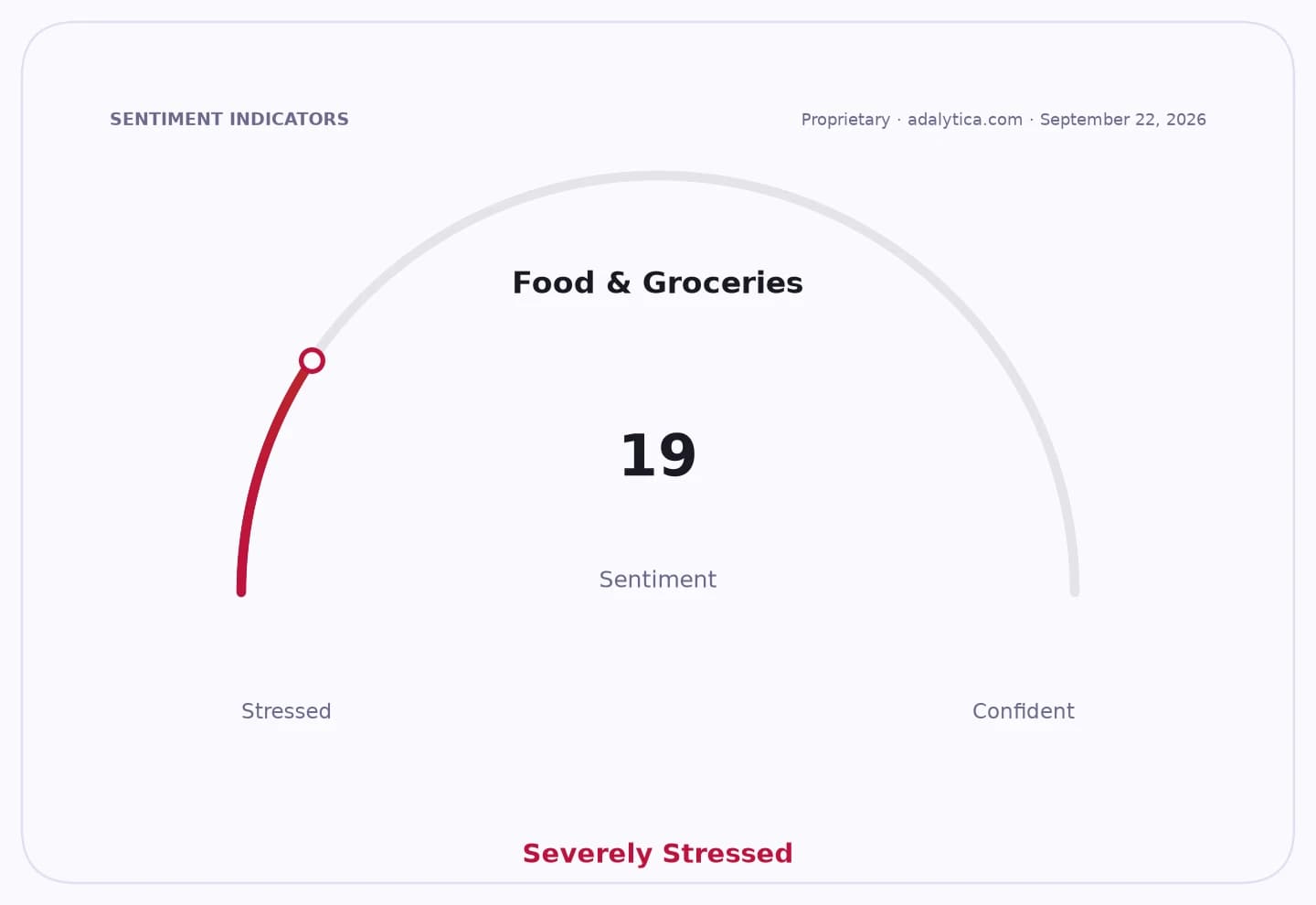
Sentiment IndicatorsⓘProprietary · adalytica.com · September 16, 2026
This is a snapshot — live sentiment, awareness and momentum for 130+ markets update continuously in the dashboard.Open AlphaPulse
Authorities say the alleged scheme centered on intermediaries in the distribution chain, underscoring how pricing power can shift away from farmers and toward wholesalers, brokers and transport bottlenecks. In a country where produce is a staple of daily consumption, even small disruptions can ripple quickly through markets, restaurants and low-income households.
That makes the crackdown economically relevant well beyond the arrests themselves. Any effort to cap or police food inflation can ease headline price pressure, but aggressive intervention can also discourage supply, create shortages or push trade into informal channels if market participants believe margins are being administratively compressed.
Investors watch such moves for what they say about policy risk and consumer demand. Persistent food inflation can erode real incomes, weigh on retail spending and keep pressure on the Turkish lira, while tougher enforcement may briefly cool prices if it restores confidence in distribution chains.
The issue also sits against a broader backdrop of rising sensitivity to food security and affordability, with governments across emerging markets facing public backlash when staples become unaffordable. For Turkey, the next test is whether the crackdown produces lower prices at the market stall or simply shifts the problem deeper into the supply chain.
| Entity | Gains | Losses |
|---|---|---|
| Turkish consumers | ▲Lower price pressure | ▼Short-term supply disruption |
| Turkish authorities | ▲Political credibility | ▼Exposure if prices stay high |
| Honest farmers/retailers | ▲Fairer pricing | ▼Higher compliance scrutiny |
| Middlemen/wholesalers | ▲None | ▼Arrests, margin pressure |