Turkey’s minimum wage is heading for another sharp increase in 2027, with the net monthly pay floor projected to rise from 28,075.50 lira to as much as 36,489 lira under the three scenarios now on the table. That matters because the wage decision will set the tone for household demand, inflation expectations and corporate labor costs across the economy just as policymakers try to preserve growth without reigniting price pressure.
Turkey Minimum Wage Outlook for 2027

The range under discussion is a 20% to 30% increase, which would lift the minimum net salary to 33,690 lira, 35,094 lira or 36,489 lira. The gross wage, now 33,030 lira, is also set to reset after the commission of labor, employer and government representatives begins talks in December and is expected to announce the final figure by year-end for payment starting in January 2027.
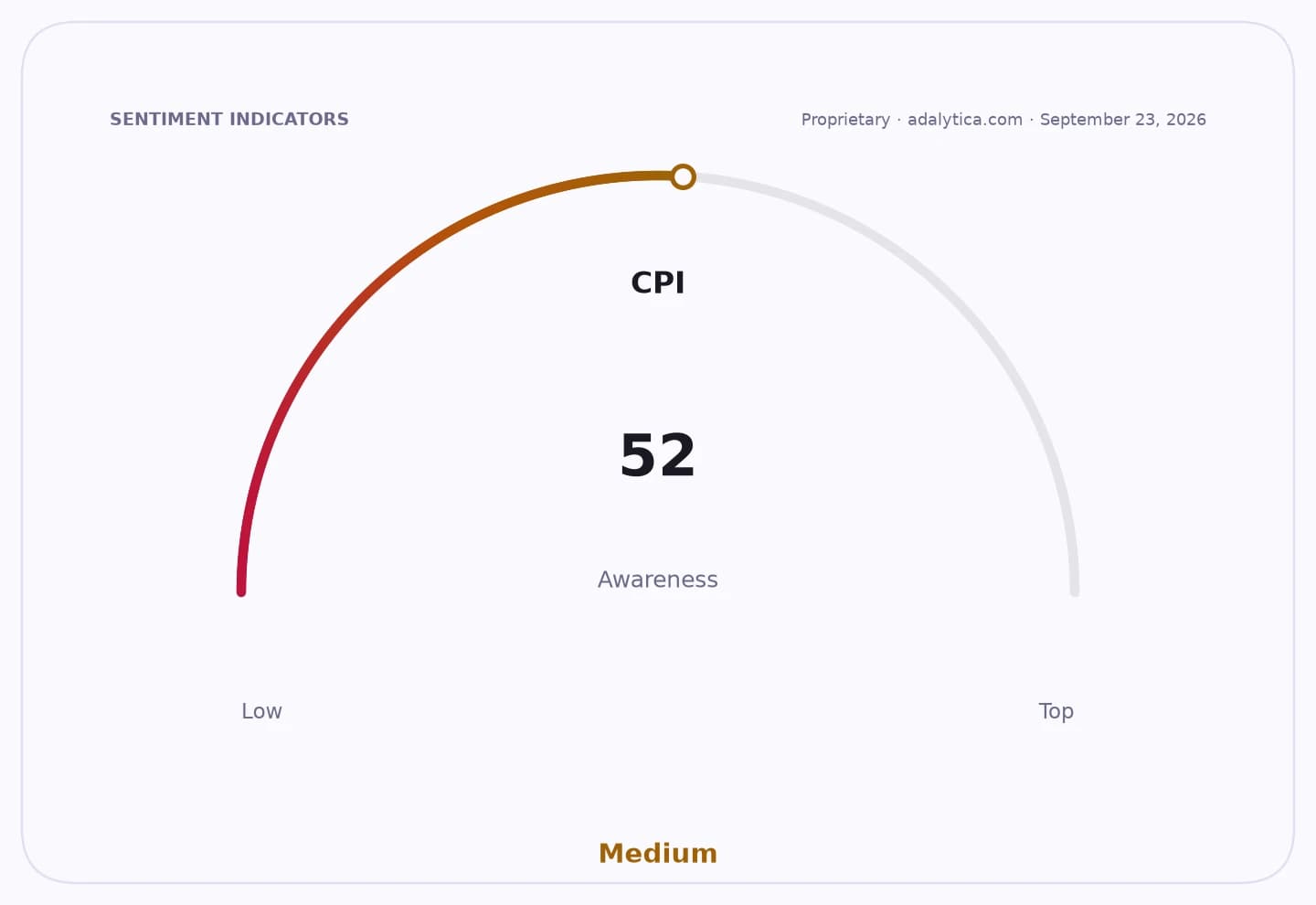
Sentiment IndicatorsⓘProprietary · adalytica.com · September 18, 2026
This is a snapshot — live sentiment, awareness and momentum for 130+ markets update continuously in the dashboard.Open AlphaPulse
Economically, the size of the increase is too large to treat as a symbolic gesture. In a labor market where the minimum wage serves as a reference point well beyond the lowest-paid workers, the adjustment will ripple through retail, food service, logistics and other labor-intensive sectors. Higher pay should support consumption at the bottom end of the income distribution, but it also raises the risk of another round of wage-led inflation if firms pass costs on to consumers.
That tension is why the wage debate matters well beyond Turkey’s borders. The broader macro backdrop still shows inflation running hot by developed-market standards, even if monthly price momentum has eased from earlier peaks, and the central issue is whether a higher floor can be absorbed without destabilizing price expectations. The latest wage-sentiment gauge on Adalytica.com shows fear around wage inflation, underscoring how quickly markets can move from optimism about disposable income to concern about margin pressure.
For investors, the winners and losers are becoming clearer. Domestic retailers with pricing power and broad exposure to essential spending can absorb some of the pressure if nominal wages lift demand, while employers with thin margins face a direct hit to payroll costs. U.S.-listed names with heavy exposure to mass-market Turkish consumption are not the core story here, but the logic is familiar: companies that sell basics tend to hold up better than labor-intensive operators when wages reset.
The market is also signaling a broader sensitivity to labor costs. Around the world, higher wages have become part of the post-inflation normalization story, but in Turkey the stakes are higher because the wage floor is such a powerful macro lever. A 30% increase would deliver a meaningful boost to purchasing power, yet it would also leave policymakers walking a tightrope between protecting living standards and defending disinflation.
The real investment takeaway is that Turkey’s 2027 minimum wage decision is less about the headline number than about second-order effects. If the final settlement lands near the high end of the range, expect stronger consumer volumes but also renewed pressure on margins, pricing and inflation-linked assets. For investors, that means favoring businesses with brand power, local pricing flexibility and lower labor intensity while remaining cautious on sectors that live and die by wage costs.
| Entity | Gains | Losses |
|---|---|---|
| Low-income workers | ▲Higher take-home pay | ▼Less inflation relief if prices rise |
| Consumer-focused retailers | ▲Stronger household spending | ▼Higher wage and input costs |
| Labor-intensive employers | ▲Consumer demand support | ▼Payroll margin pressure |
| Turkey policymakers | ▲Social stability | ▼Inflation credibility risk |