Turkey’s January pay and pension reset is shaping up to deliver double-digit increases for millions of retirees and could push some civil servant salaries to 100,000 lira, with the outcome hinging on the next four inflation prints.
Turkey January pay and pension hikes tied to inflation

That matters because Turkey’s wage and pension system is indexed to inflation, making the rest of the year’s price data the main driver of household income, state spending and consumption. Early calculations based on the July and August CPI readings already point to a 3.65% floor for the six-month adjustment, with analysts saying September and October inflation above 2% a month would lift the SSK and Bağ-Kur pension increase above 10%.
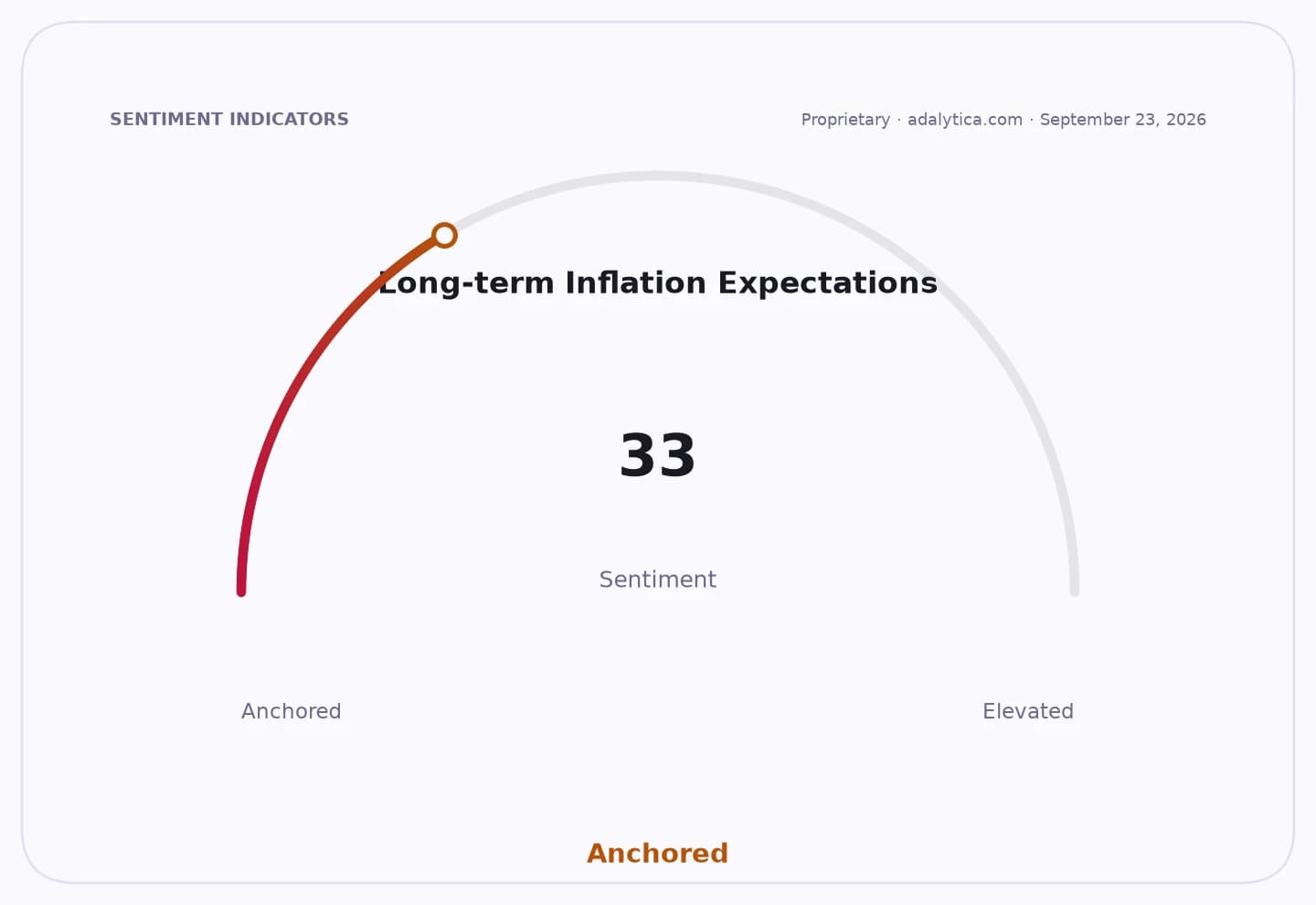
Sentiment IndicatorsⓘProprietary · adalytica.com · September 7, 2026
This is a snapshot — live sentiment, awareness and momentum for 130+ markets update continuously in the dashboard.Open AlphaPulse

Under the scenarios circulating in the Turkish press, SSK and Bağ-Kur retirees would likely see a 8%-12% raise, while civil servant retirees could get 7%-9%. That would lift the minimum pension to about 26,000-27,000 lira, compared with the current floor, while the lowest civil servant salary could rise to 76,355 lira and the lowest civil servant pension to 34,279 lira.
In the most optimistic case, teacher and police salaries would cluster around 100,000 lira a month, nurses around 92,000 lira, lawyers 111,000 lira and branch managers 116,000 lira, according to the scenario cited in the report. Specialist doctors and professors could approach 200,000 lira monthly.

The timing is important for investors because higher public-sector pay feeds directly into Turkey’s inflation path, consumer demand and fiscal outlays just as Ankara prepares its Medium Term Program for 2027-2029. The government is trying to bring inflation down while sustaining growth, but stronger wage adjustments can complicate that task and keep pressure on prices and the lira.
For markets, the next catalysts are the remaining CPI releases, the year-end inflation outcome and the government’s formal budget and wage assumptions. Any upside surprise in inflation would raise the cost of Turkey’s indexed wage bill and pension liabilities, while also affecting sectors tied to household spending and the broader inflation trade.
| Entity | Gains | Losses |
|---|---|---|
| Civil servants | ▲Higher monthly pay | ▼Weaker real wage gains if inflation stays hot |
| Retirees | ▲Larger January pension hike | ▼Purchasing power if increases lag prices |
| Turkish government | ▲Political support from wage rises | ▼Higher fiscal spending and inflation risk |
| Lira bears / inflation watchers | ▲— | ▼More pressure from larger indexed payouts |