Turkey raised its year-end inflation forecast to 28.4% as the government unveiled a new three-year economic roadmap, underscoring how persistent price pressures continue to shape policy, growth and investor expectations.
Turkey Raises 2026 Inflation Forecast to 28.4%
The higher inflation projection is the most important economic signal in the plan because it suggests Ankara now sees disinflation taking longer than previously assumed, even as it tries to balance tighter price stability with growth and jobs. Vice President Cevdet Yılmaz said the updated Medium Term Program also lifts the 2026 growth target to 3.3%, while industrial growth is now seen slowing to 2.3%, a sign that policymakers expect activity to cool before inflation is brought down more decisively.
Sentiment IndicatorsⓘProprietary · adalytica.com · September 6, 2026
This is a snapshot — live sentiment, awareness and momentum for 130+ markets update continuously in the dashboard.Open AlphaPulse
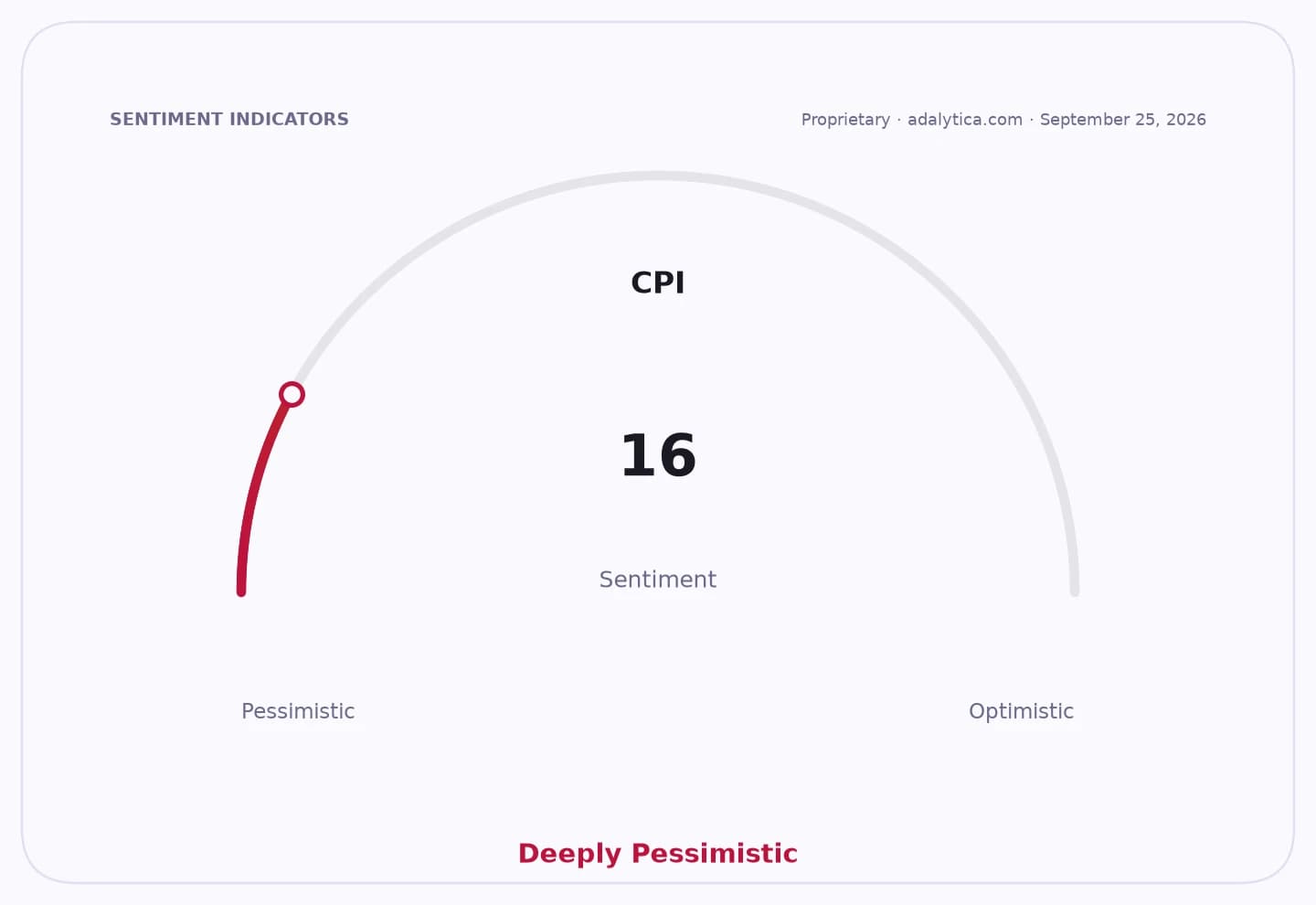
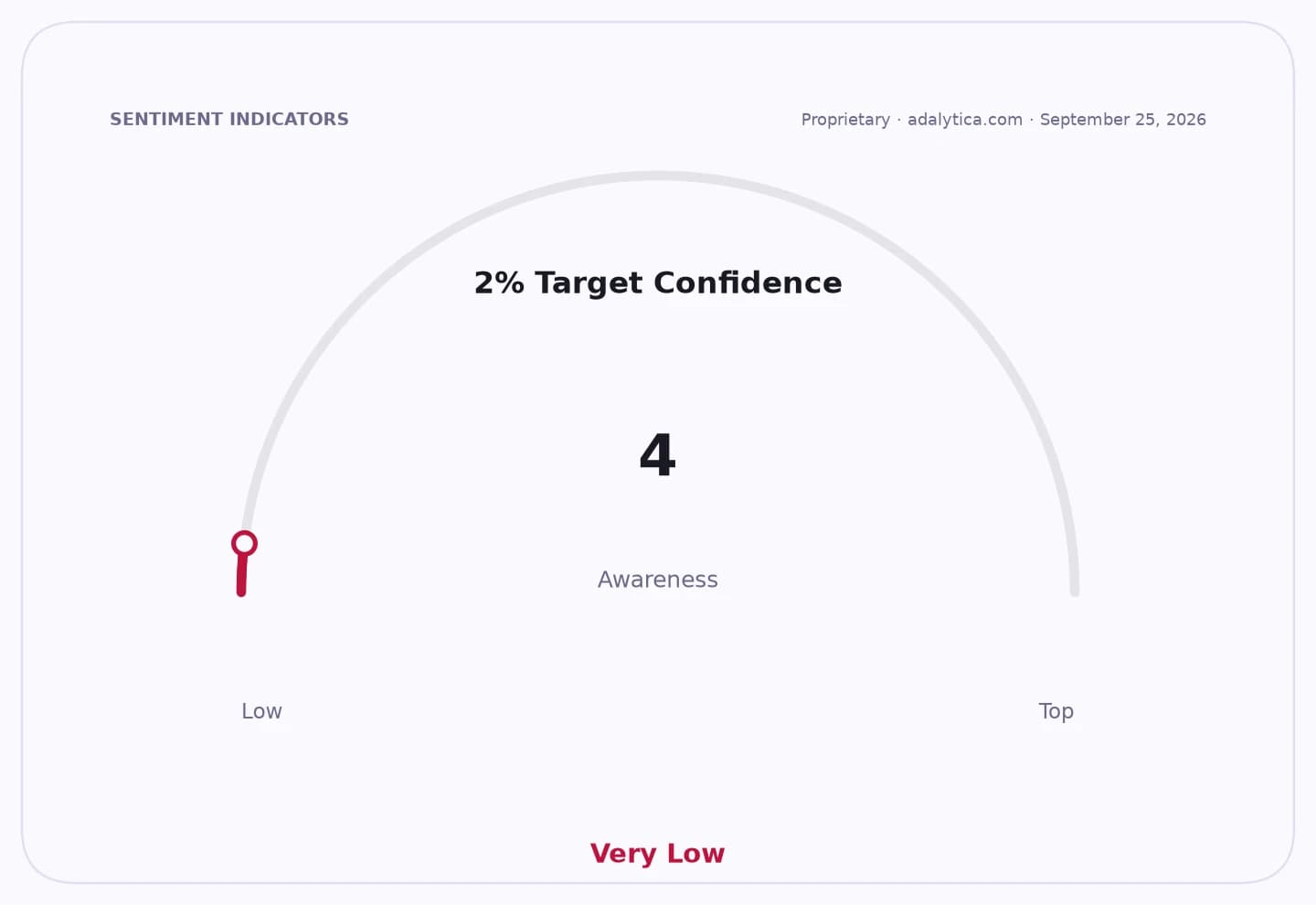
For investors, the revised forecast matters because it speaks directly to the outlook for Turkish assets, the lira and domestic demand. Higher inflation usually keeps real yields, wage negotiations and pricing power at the center of market pricing, while also complicating the path for the central bank. The currency has already reflected those pressures: the lira traded at 48.42 per dollar on the latest available data, near its recent range, while U.S. dollar sentiment remained elevated, according to Adalytica trade signals.
Yılmaz said the program expects national income to rise above $1.8 trillion by the end of 2026 and per-capita income to top $20,000 for the first time, alongside about 2.1 million additional jobs over the program period. Those goals point to a government still betting that structural growth can coexist with slower inflation, though the gap between headline ambitions and the inflation path remains wide.
The new forecast also reflects an external shock backdrop that has made Turkey’s inflation fight more difficult. Turkish officials have previously said the war in Iran added roughly seven percentage points to inflation, reinforcing the view that domestic policy alone will not determine the pace of price normalization. That leaves the new Medium Term Program both a policy framework and a credibility test: if inflation eases faster than expected, Turkish sovereign and corporate assets could regain support; if not, pressure on spending, wages and rates is likely to persist into 2026.
| Entity | Gains | Losses |
|---|---|---|
| Turkish government | ▲Policy roadmap | ▼Near-term credibility if inflation stays high |
| Consumers | ▲Future disinflation if plan works | ▼Purchasing power erosion |
| Exporters | ▲Weaker lira supports competitiveness | ▼Higher input costs |
| Domestic borrowers | ▲Clearer medium-term policy path | ▼Elevated rates and inflation expectations |