Bulgaria’s economy kept growing in the first half of the year, but the expansion is still being powered mainly by household spending and investment while inflation remains stuck at relatively high levels, underscoring a fragile balance that matters for policy, wages and margins.
Bulgaria Growth Rises as Inflation Stays High
The clearest message from UBB chief economist Emil Kalchev is that demand is holding up even as price pressures reassert themselves. Final consumption rose 7.1% year on year and accounted for 85.5% of GDP, while investment increased 7.2%, helping offset a weaker external sector. Exports fell 4.7% and imports climbed 8.5%, leaving net trade a drag on growth. For an economy with a large services base and a still-shrinking industrial sector, that mix points to an expansion that is steady but not especially broad-based.
On the supply side, construction and services did most of the heavy lifting. Construction grew 4% in real terms, while services rose 3.7% and made up 65% of GDP. Agriculture added 2.9%, but industry contracted 4.4%, shrinking its share of output to 14.4%. That matters because a persistent industrial downturn alongside strong domestic demand typically widens the import bill, pressures the current account and makes growth more vulnerable to imported inflation.
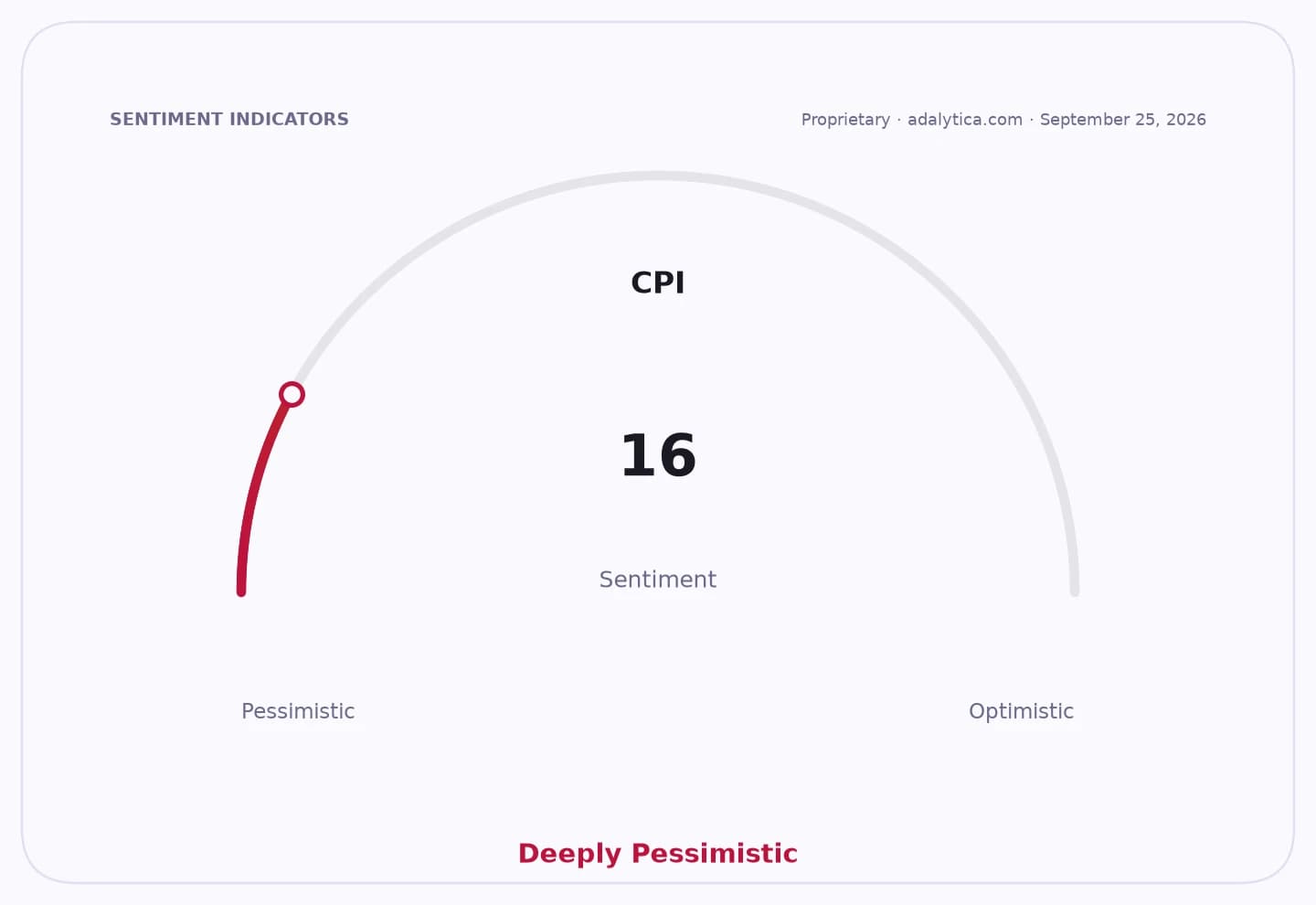
The inflation backdrop is the main reason investors will keep watching Bulgaria closely. Harmonised inflation accelerated back to 5% in August from 4.4% in July, while consumer prices on the national measure rose 5.1% after 4.5% a month earlier. Transport led the rise with a 13.8% annual increase, up from 9.4% in July, and hotel and restaurant prices climbed 8.3%. Kalchev attributed the persistence of price pressures to shocks from high global oil and gas prices, suggesting the disinflation process could remain slow.
That has implications beyond the headline CPI rate. Higher transport and energy costs feed directly into business margins and household purchasing power, while also complicating the policy trade-off for the central bank and government. Bulgaria’s growth model is leaning on domestic demand at a time when the external sector is weak and industry is contracting, so any further erosion in real incomes could quickly soften consumption. At the same time, the inflation mix looks more supply-driven than demand-driven, which reduces the scope for a quick fix through tighter policy alone.
For investors, the key question is whether Bulgaria can sustain above-trend growth without a fresh inflation shock. A consumer-led expansion supports banks, retailers and service companies in the near term, but it also leaves the economy exposed if fuel costs stay elevated or if import prices spill further into wages and core services. The near-term risk is that growth remains positive but increasingly uneven, with households absorbing the strain and exporters, manufacturers and import-dependent sectors losing ground.
| Entity | Gains | Losses |
|---|---|---|
| Households | ▲Stronger spending and wage support | ▼Higher transport and food costs |
| Services sector | ▲Larger GDP share, solid demand | ▼Margin pressure from inflation |
| Industry/exporters | ▲Weaker currency? limited gains | ▼Falling output, weak external demand |
| Consumers of fuel and transport | ▲None | ▼Rising diesel and logistics costs |