Lithuania’s fiscal watchdog has lowered its growth outlook for this year and lifted its inflation forecast, underscoring how higher energy costs and weaker-than-hoped consumption from pension withdrawals are filtering through the economy rather than delivering the immediate boost policymakers expected.
Lithuania cuts growth forecast, lifts inflation outlook
The National Audit Office now sees gross domestic product expanding 2.9% this year, down from a March projection of 3.3%, while inflation is set to rise to 5%, above its earlier 3.9% estimate. For investors and businesses, the combination matters because it points to a less favorable mix of slower real activity and faster price growth, which can erode household purchasing power, complicate budget planning and keep pressure on borrowing costs.
The downgrade also suggests the economy is more vulnerable to external shocks than domestic demand figures imply. Officials said many of the pension withdrawals that were supposed to feed consumption have instead remained parked in bank accounts. That helps explain why Lithuanian growth has stayed solid but not delivered the surge that had been expected from billions of euros in payouts. Households’ overnight deposits rose nearly 17% year on year in the first quarter to 20.1 billion euros, then climbed to 22.3 billion euros in April and 22.5 billion euros in July, according to central bank data.
The new inflation path is more troubling for monetary conditions and real incomes. The forecast increase reflects higher energy prices, with the watchdog warning that the biggest risks to the economy stem from the Middle East, where any escalation could push fuel and electricity costs higher. Trade fragmentation, slower growth among export partners and climate-driven price pressures add to the downside risks, even as stronger defense spending in the European Union could support activity.
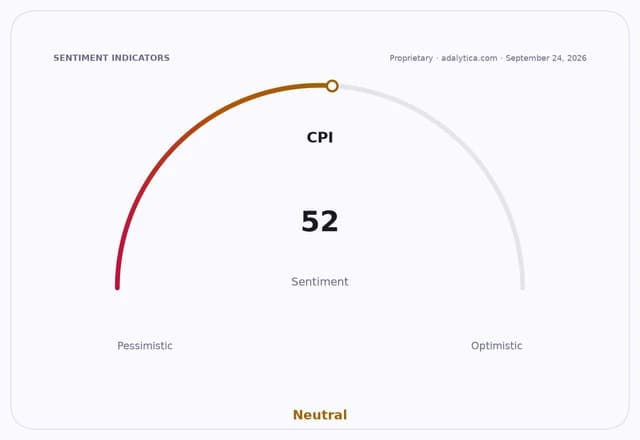
For markets, the data point to a steadier but less exuberant backdrop for Lithuanian assets. Faster wage growth than inflation should still support household spending over time, but the margin is narrowing. A softer growth profile with 5% inflation also limits the room for policymakers to rely on domestic demand to offset external weakness, while leaving tax revenues more exposed to any slowdown in profits or exports.
The finance ministry’s latest scenario was broadly in line with the audit office on this year’s GDP and inflation outlook, but the central message is that the economy is entering a period of higher uncertainty. That should keep attention on energy prices, the pace at which households spend down savings, and whether stronger defense-related investment can offset weaker trade and a less supportive price backdrop.
| Entity | Gains | Losses |
|---|---|---|
| Lithuanian households with savings | ▲Higher deposit interest income potential | ▼Lower real purchasing power |
| Exporters and defense suppliers | ▲Potential boost from EU defense spending | ▼Weaker demand if trade fragments |
| Government budget planners | ▲Higher VAT and income tax receipts if wages hold up | ▼Risk of overestimating revenues |
| Consumers and retailers | ▲Wage growth may support spending | ▼Inflation and energy costs squeeze demand |