Brescia’s inflation rate accelerated to 2.8% in August, driven by surging energy and transport prices, a jump that matters for household spending, business costs and the broader cost-of-living picture in Italy’s industrial north.
Brescia inflation rises to 2.8% in August
The city’s consumer price index rose 0.4% from July and 2.8% from a year earlier, according to Brescia’s municipal statistics office, undershooting the national reading of 3.3% on an annual basis. The latest print shows inflation in Brescia firming after several months of gradual acceleration, with the annual rate moving from 1% in January and March to 2.4% in April, 3% in May and 2.8% in August.
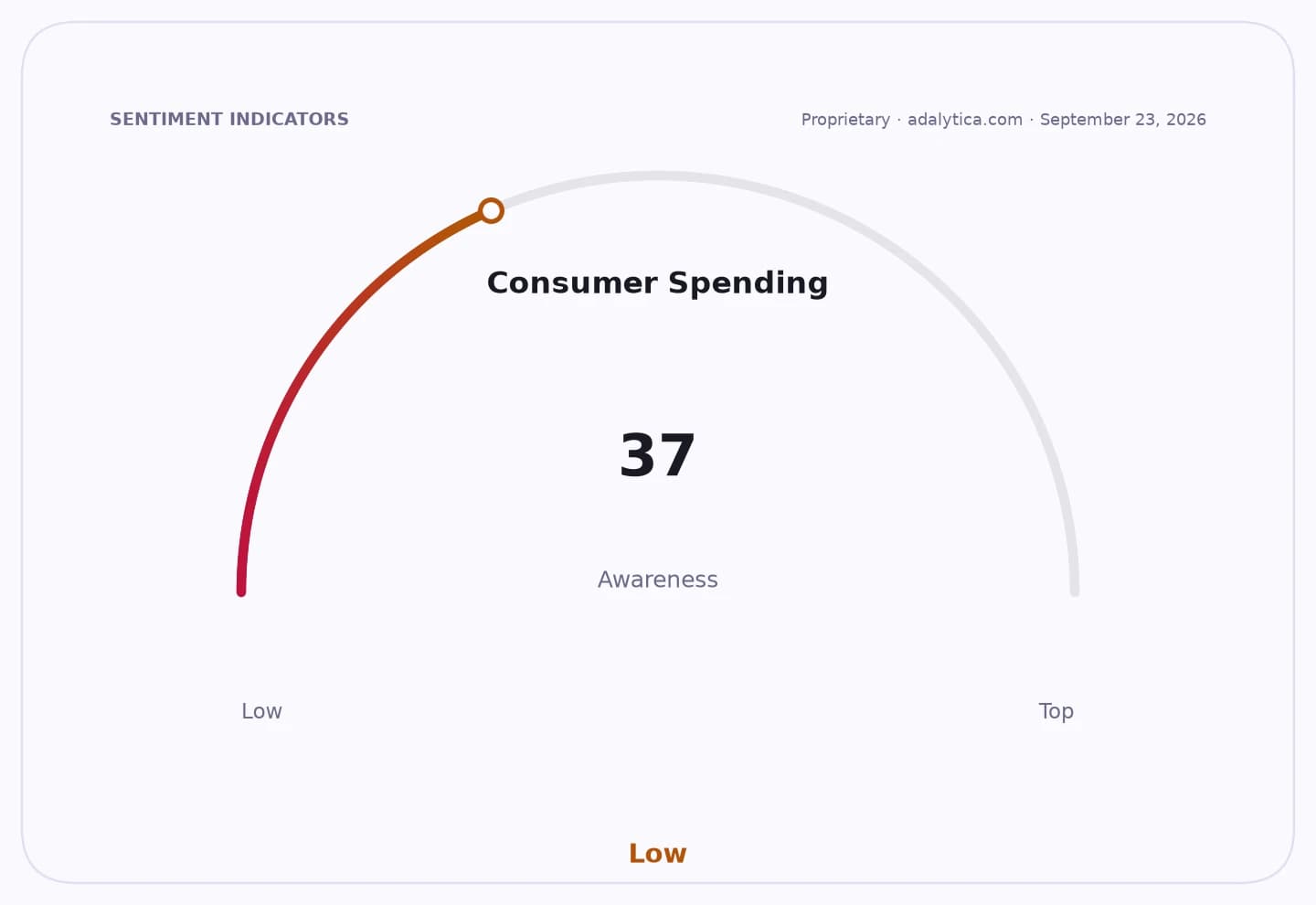
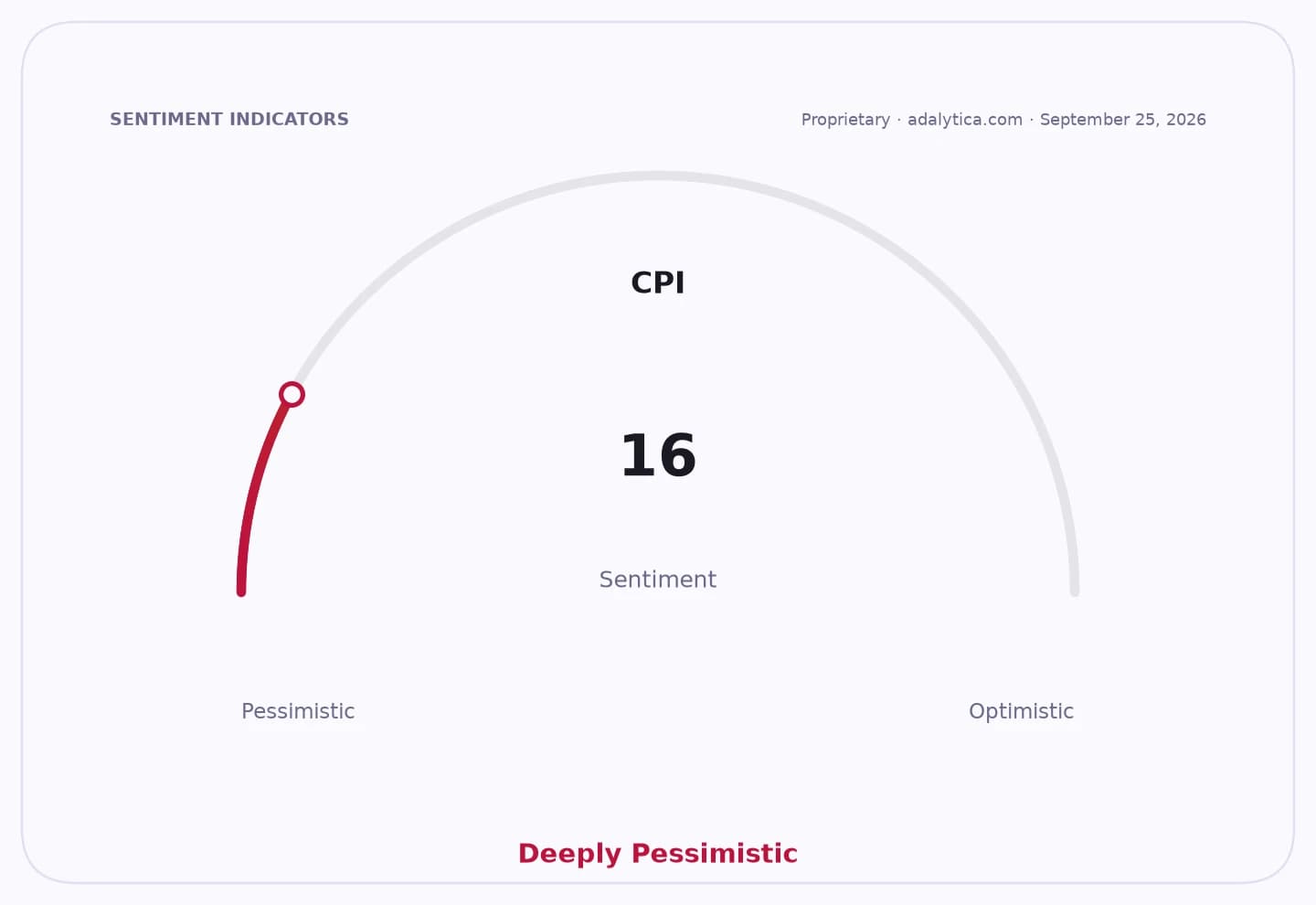
Sentiment IndicatorsⓘProprietary · adalytica.com · September 18, 2026
This is a snapshot — live sentiment, awareness and momentum for 130+ markets update continuously in the dashboard.Open AlphaPulse
The main pressure points were housing-related costs, energy and transport. The “housing, water, electricity, gas and other fuels” category climbed 0.8% on the month and 9.6% year on year, while transport rose 2.3% versus July and 5.7% from August 2025.
Electricity was 14.8% higher than a year earlier and gas 14.2% higher. Liquid fuels jumped 44.8% on the year and 26.9% in the month, while fuels and lubricants for transport rose 20.5% year on year and 5.7% from July.
The data points to a cost squeeze that is still centered on imported and regulated energy inputs rather than broad-based consumer demand. Core inflation, excluding energy and unprocessed food, was 1.1%, while the so-called shopping basket — food and household and personal care items — fell 0.4% on the year.
That distinction matters for investors because it suggests inflation is not yet fully embedded across the local economy, even as headline prices remain sticky enough to erode real incomes. Higher fuel and utility bills can pressure margins for transport, logistics, retail and consumer-facing businesses, while also complicating the outlook for monetary policy if similar patterns persist nationally.
Food prices offered a mixed picture. Overall food and non-alcoholic beverages were down 0.3% from a year earlier, with oils and fats off 8.1%, fruit down 3% and cereals and related products down 0.6%, though meat rose 1.7% and vegetables, tubers and legumes gained 1.1%.
Brescia’s inflation remains below the national pace, but the city’s heavier exposure to energy and industrial activity makes the latest increase economically relevant beyond a single municipal print. The next signals to watch are whether energy prices keep feeding through into September and whether the national inflation path follows the same upward drift.
| Entity | Gains | Losses |
|---|---|---|
| Energy suppliers | ▲Higher selling prices | ▼Households and firms |
| Transport companies | ▲Pass-through pricing power | ▼Consumers and logistics users |
| Brescia retailers | ▲Stable core demand | ▼Margins from higher costs |
| Italian policymakers | ▲Clearer inflation signal | ▼Real incomes and rate outlook |