Greece’s inflation accelerated to 3.8% in August, driven by a sharp surge in energy, housing and transport costs that is squeezing consumers and keeping pressure on policymakers and retailers.
Greece Inflation Rises to 3.8% in August
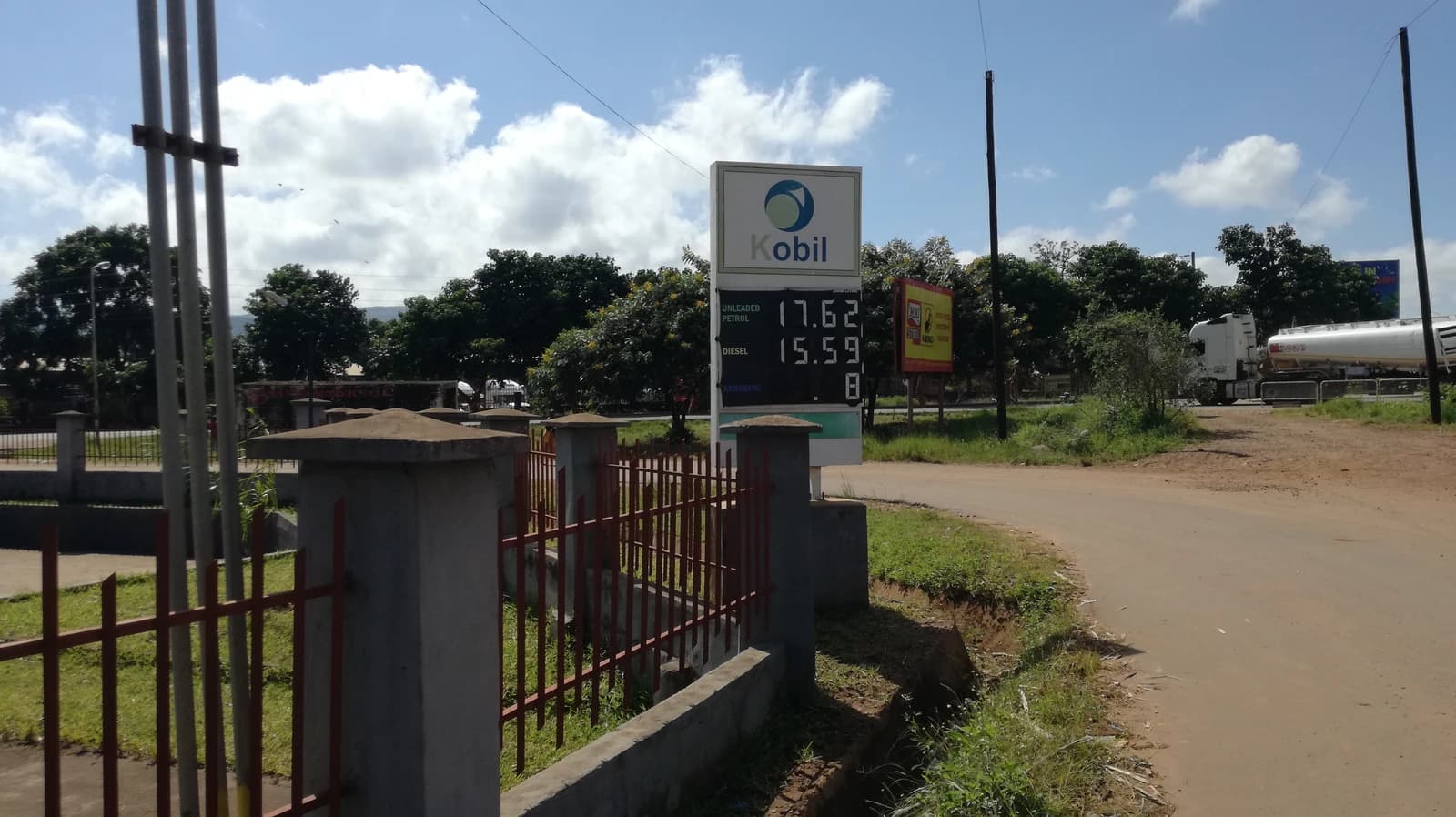
That matters because the latest reading shows the cost-of-living shock is broadening again, not fading. Housing prices rose 9.7% from a year earlier, transport costs climbed 7.7% and food prices, while only up 0.9% overall, stayed hot in key staples such as beef, which jumped 13.5%, and lamb and goat meat, up 11.3%. Petrol prices rose 15.3%, diesel 30.6% and heating oil 53.2%, underscoring how imported energy and domestic utility bills are feeding through to household budgets.
Sentiment IndicatorsⓘProprietary · adalytica.com · September 10, 2026
This is a snapshot — live sentiment, awareness and momentum for 130+ markets update continuously in the dashboard.Open AlphaPulse
The biggest driver was shelter, which added 1.47 percentage points to the headline rate, followed by transport at 1.13 points and restaurants and hotels at 0.73 points. Together, those three categories accounted for nearly all of the annual increase, a sign that inflation is being anchored less by a single shock and more by the everyday expenses that matter most to consumers.
For investors, that mix is a double-edged sword. It supports energy stocks and select consumer staples, but it also raises the risk that discretionary spending weakens as families redirect income toward rent, fuel and food. In Greece, that is especially important because tourism-linked prices are still firm, with hotel costs up 14.1% and restaurant prices up 5.5%, suggesting summer demand is cushioning parts of the service economy even as it aggravates the inflation picture.
The equity message is clear: this is not the kind of inflation that fades quietly. It favors companies with pricing power and exposure to energy and essentials, while pressuring retailers, transport users and consumers trading down on higher bills. In the U.S. market context, the same dynamic keeps the defensive rotation intact, with energy names such as XLE better positioned than broad consumer staples like XLP if oil and fuel remain elevated.
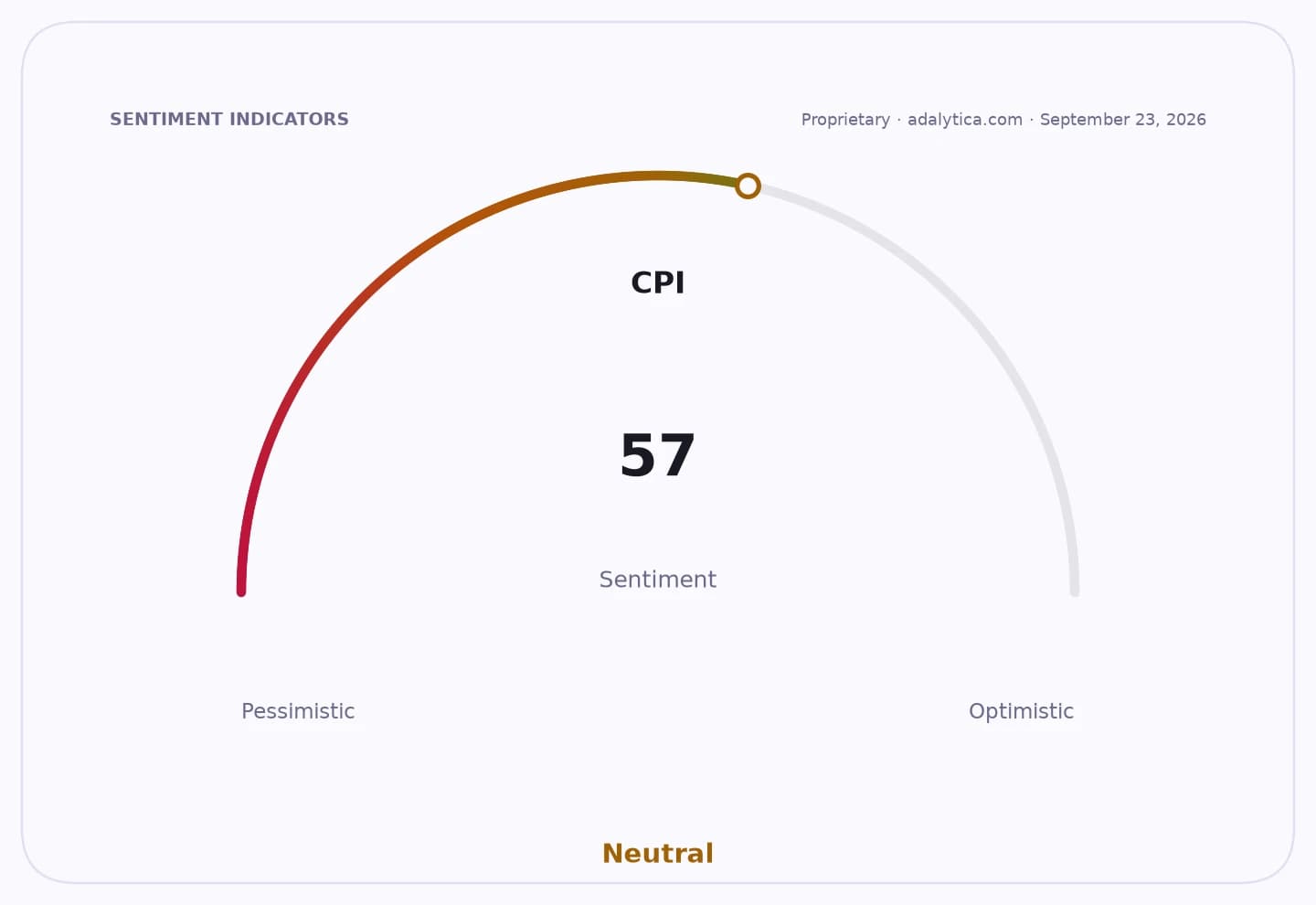
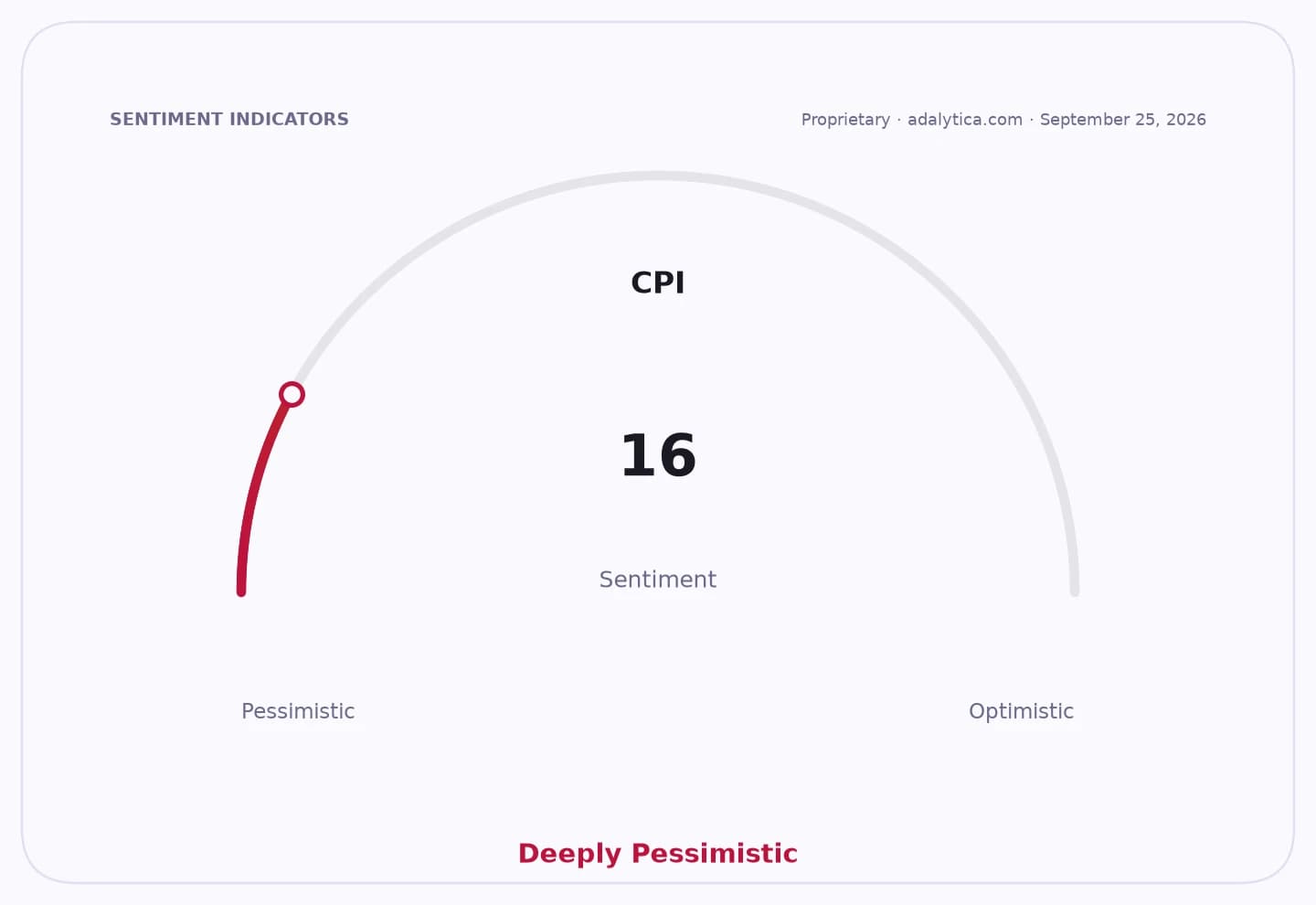
Adalytica’s CPI sentiment gauge shows “Extreme Fear” around inflation, which fits the market’s reluctance to assume price pressure is under control. With food, fuel and rent all moving higher at once, the next catalyst will be whether energy cools fast enough to stop the inflation pulse from spreading into autumn.
| Entity | Gains | Losses |
|---|---|---|
| Energy producers | ▲Higher fuel prices | ▼Households and drivers |
| Landlords and hotels | ▲Stronger pricing power | ▼Renters and travelers |
| Food retailers with pricing power | ▲Better margins | ▼Consumers trading down |
| XLE | ▲Inflation hedge appeal | ▼XLP and other defensives if spending slows |