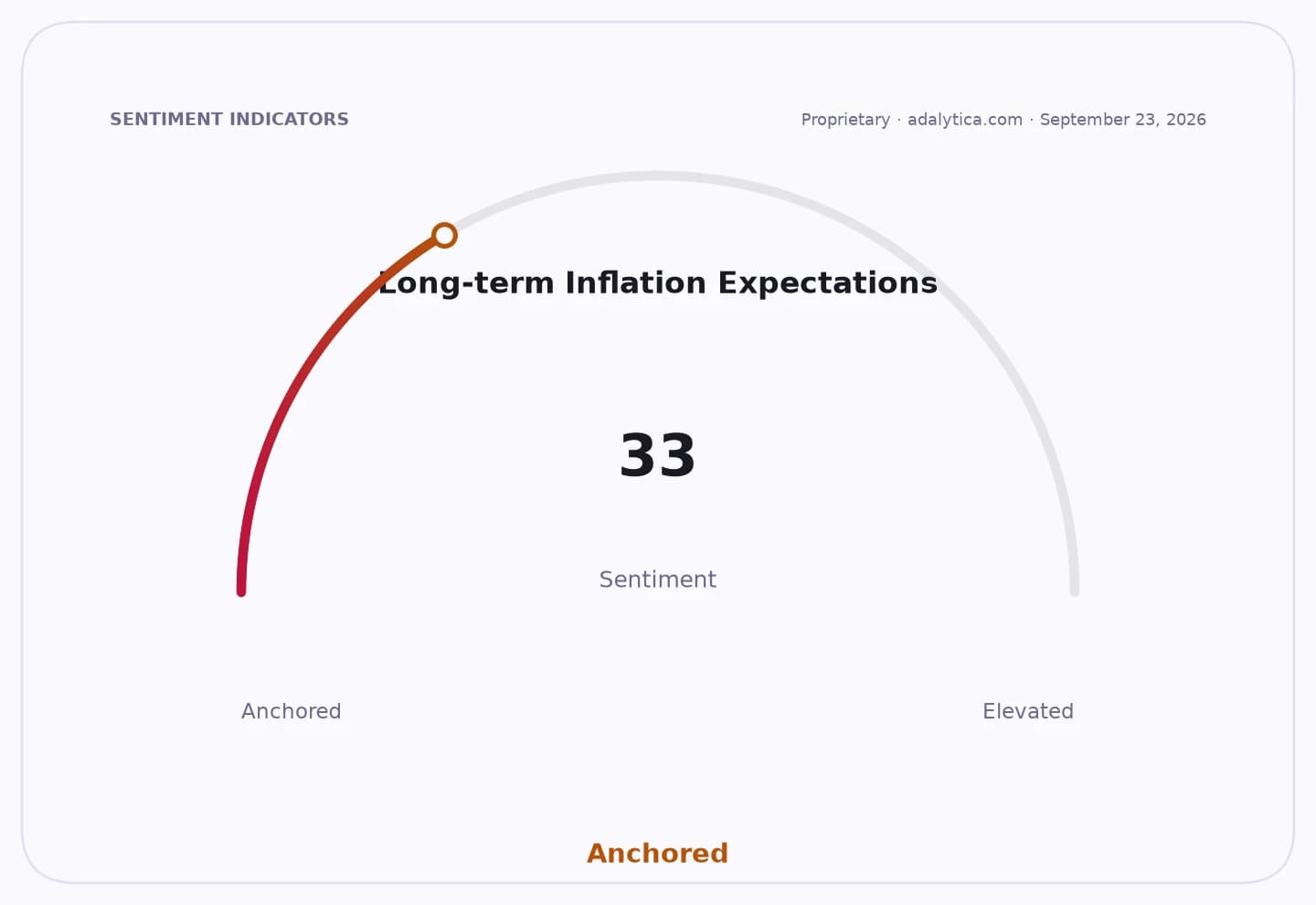
Inflation may be easing in the aggregate, but the parts of the budget that matter most to households are still rising fast enough to keep the squeeze on consumers and complicate the Federal Reserve’s path.
Inflation, rents and health care stay sticky
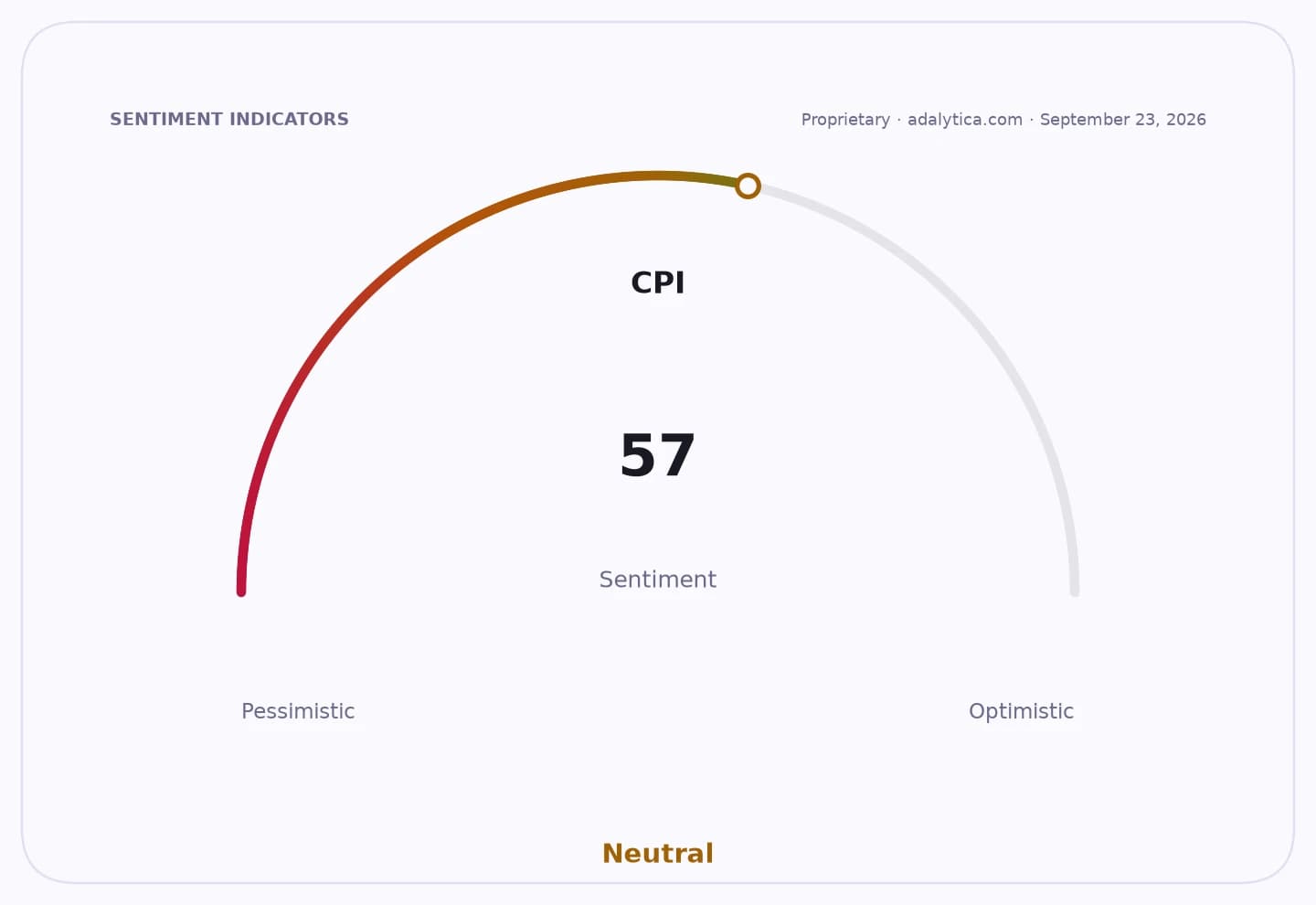
The latest consumer price data show headline CPI at 334.131 in August, up 0.4% from July and still roughly 40.7% above the level recorded in May 2026, while core CPI climbed to 337.765, up 0.29% on the month. The numbers suggest price pressures have moderated from the inflation surge of the past few years, but they do not match the lived experience of families facing higher rent, medical bills and insurance premiums.
Sentiment IndicatorsⓘProprietary · adalytica.com · September 23, 2026
This is a snapshot — live sentiment, awareness and momentum for 130+ markets update continuously in the dashboard.Open AlphaPulse
That gap matters because housing and health care are the two categories most likely to determine whether consumers feel relief or resignation. Shelter costs typically feed through slowly, so rent increases can keep arriving long after broader inflation appears to have cooled. Health insurance and out-of-pocket medical costs are even harder to absorb, especially for lower- and middle-income households already using a larger share of paychecks for essentials. For policymakers, sticky services inflation makes it harder to declare victory. For investors, it means the consumer balance sheet remains under pressure even when the top-line CPI reading looks manageable.
The contrast with housing data is especially important. New home construction, as measured by housing starts, has fallen sharply from 2021 levels and was running at 1,275 in August, down 2.6% from July and well below the 1,609 reading in May 2023. That slowdown should eventually help ease pressure on rents through a more balanced supply backdrop. But the transmission is slow, and the forecast for September housing starts points only to a marginal uptick to 1,278.5. In the meantime, renters are still dealing with landlords resetting leases at much higher levels than those in place a year or two ago.
CPIAUCSL vs CPILFESL — macro contextadalytica.com
Explore this data interactively — full history, time series and cross-market comparisons.Open AlphaPulse
Health care is showing a similar tension. Insurers such as UnitedHealth Group and Cigna have been pricing for higher medical costs, but their recent share-price moves also reflect concern that affordability pressure is becoming a political and commercial problem. UnitedHealth has traded down to 371.29 from July’s 429.04 peak, while Cigna has fallen to 268.27 from 289.82 in February. CVS Health, which sits at the center of the pharmacy-insurance-drugstore ecosystem, has dropped to 85.86 from 109.92 in July. The market is signaling that cost inflation in health care is no longer just a consumer issue — it is a margin, utilization and regulation issue for insurers and health-services companies too.
The macro backdrop is therefore more nuanced than the headline inflation debate suggests. Core prices are still rising, just at a slower pace, and the categories that consumers notice most — shelter, premiums and medical services — remain sticky enough to keep sentiment weak. That helps explain why household frustration persists even as economists point to cooling inflation trends and markets continue to price a soft landing.
For investors, the key question is not whether inflation is falling, but whether it is falling fast enough to restore real purchasing power before weaker households cut back more aggressively. If rent growth slows and health-care inflation normalizes, consumer-sensitive sectors could get relief. If not, the drag on discretionary spending, credit quality and retail demand will persist, and the Fed may have to keep policy restrictive longer than markets would like.
| Entity | Gains | Losses |
|---|---|---|
| Renters | ▲slower future inflation if supply improves | ▼current budgets under pressure |
| Insurers/health-care providers | ▲pricing power from medical-cost inflation | ▼political and affordability scrutiny |
| Consumers with fixed incomes | ▲eventual relief if CPI keeps easing | ▼higher rent and premium bills now |
| Fed/doves | ▲evidence inflation is cooling overall | ▼sticky services inflation limits easing |