Household spending power in the UK has fallen to a six-month low as rising food, transport, housing and energy costs outstrip wage growth, squeezing discretionary spending and raising the risk of a weaker consumer backdrop for retailers.
UK household spending power falls to six-month low
Asda’s latest income tracker showed essential costs rose 3.9% in August, ahead of year-on-year income growth of 3.8%, leaving families with an average £260 a week after bills. Overall spending power growth slowed to 3.4%, the weakest since March, while lower-income households saw spending power fall 1.9% over the past year and faced a weekly shortfall of £75 between earnings and essential outgoings.
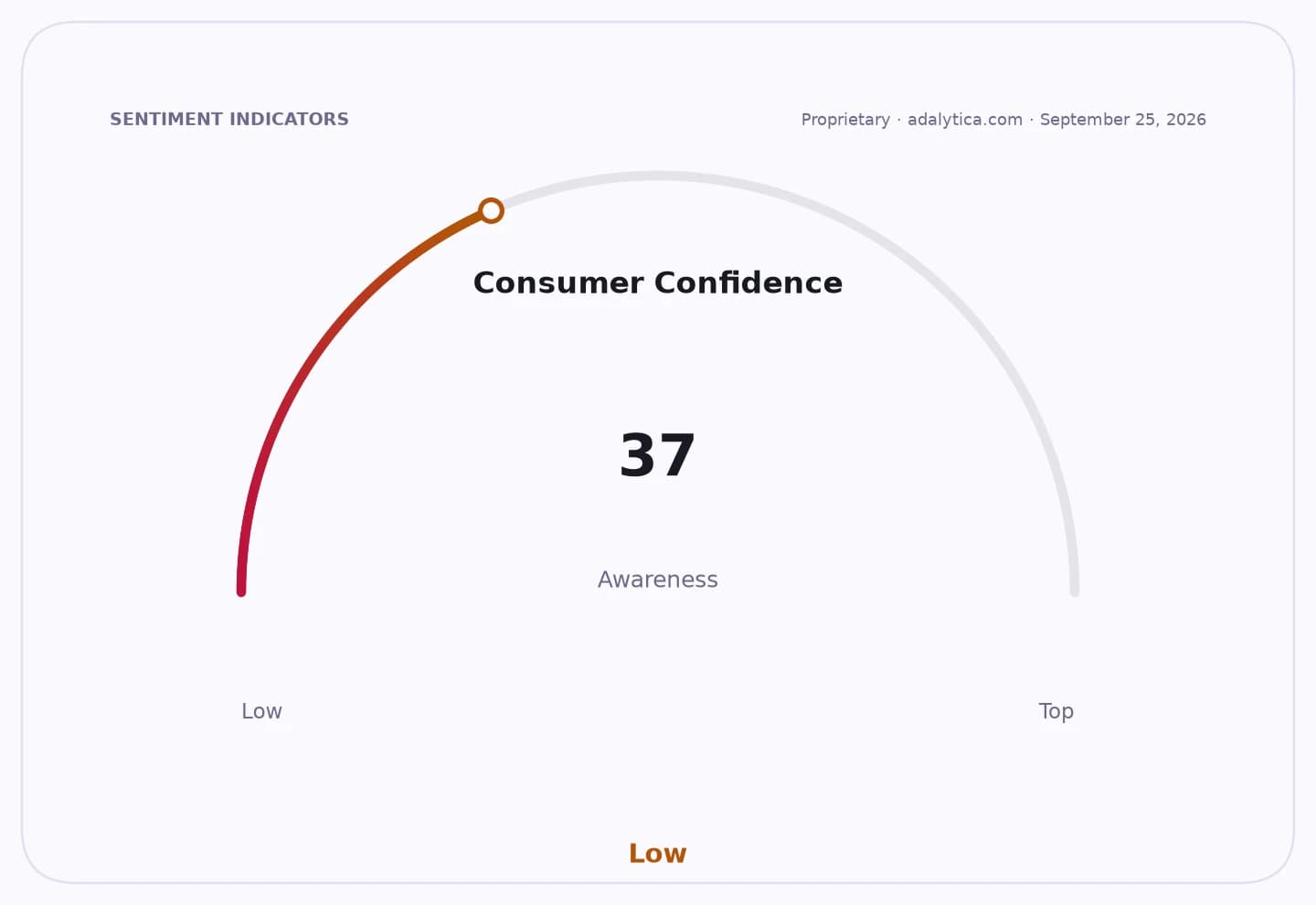
Sentiment IndicatorsⓘProprietary · adalytica.com · September 25, 2026
This is a snapshot — live sentiment, awareness and momentum for 130+ markets update continuously in the dashboard.Open AlphaPulse
The data matters because it points to a consumer squeeze even before any fresh hit from higher borrowing costs. Asda said household budgets are likely to remain under strain as inflation has climbed to a five-month high of 3.1% and the Bank of England has flagged that rates could rise again if price pressures persist.
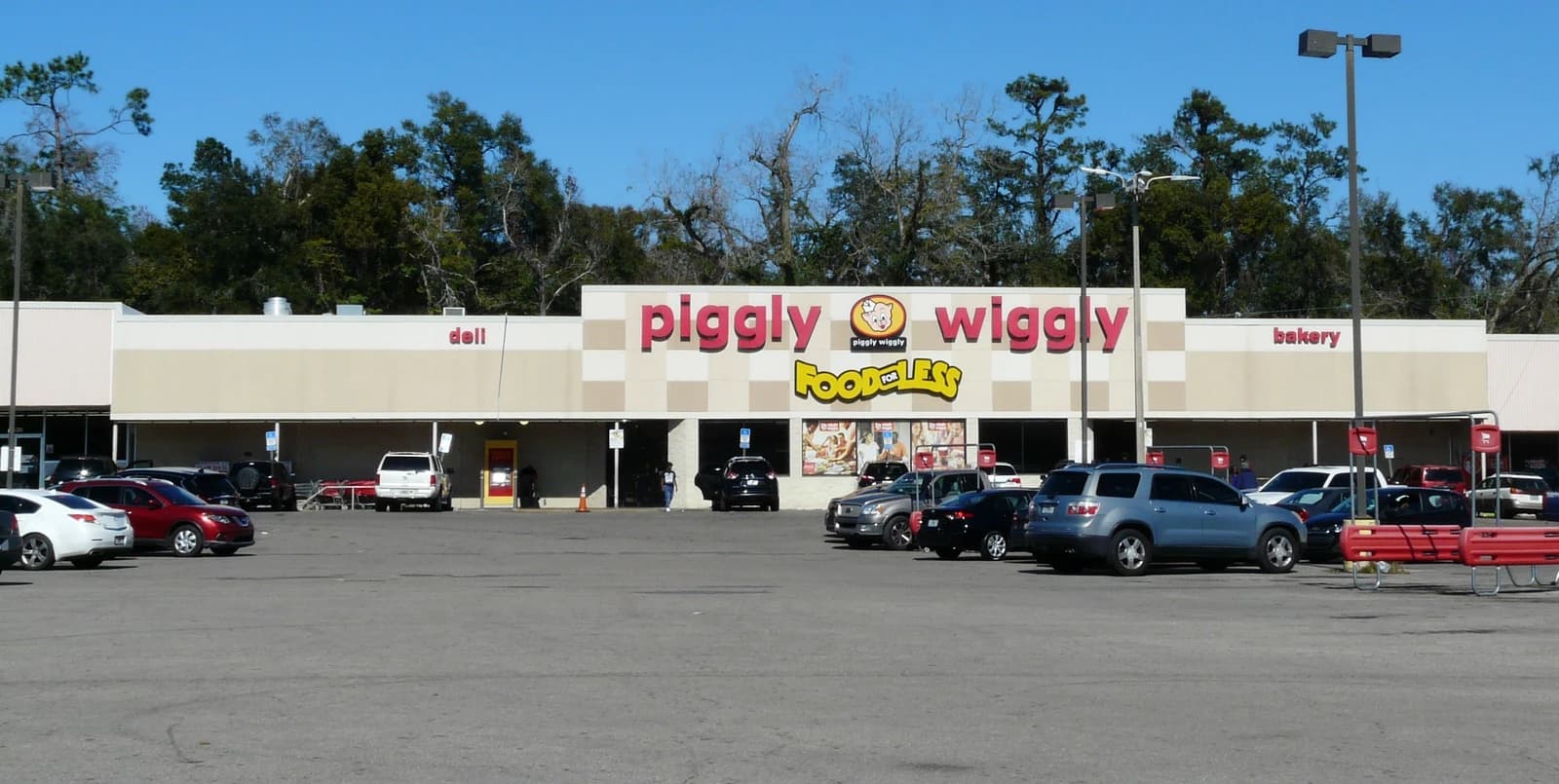
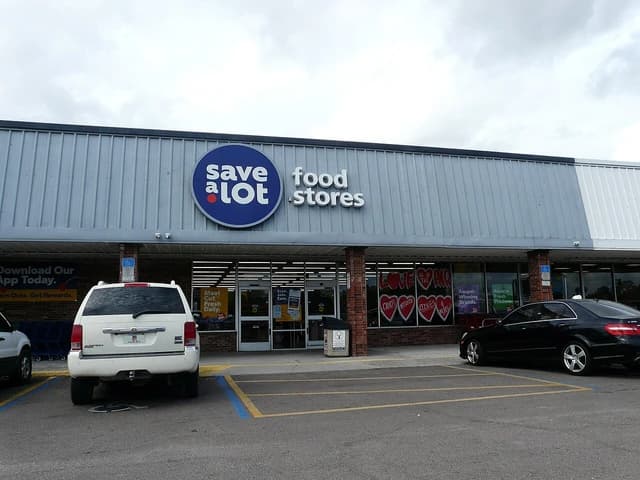
For investors, that combination is a warning sign for discretionary spending and a potential tailwind for value grocers and discount retailers. Consumers under pressure typically trade down, buy smaller baskets and delay non-essential purchases, which can support traffic at the likes of Walmart, Target and Costco while weighing on higher-margin categories across retail.
The report also underscores a widening divide in household finances, with lower-income families carrying the sharpest burden because essentials absorb a larger share of their budgets. Cebr, which produces the tracker for Asda, said inflation remains the main risk to spending power and that the prospect of higher rates could further compress disposable incomes in the months ahead.
That leaves the consumer outlook dependent on whether wage gains can keep pace with sticky inflation. Any further acceleration in prices, or a renewed tightening bias from the Bank of England, would deepen the pressure on household demand heading into the final stretch of the year.
| Entity | Gains | Losses |
|---|---|---|
| Value grocers | ▲trading-down traffic | ▼premium retailers |
| Essential goods sellers | ▲resilient demand | ▼discretionary chains |
| Lower-income households | ▲none | ▼biggest real-income squeeze |
| Bank of England hawks | ▲case for vigilance | ▼borrowers and consumers |