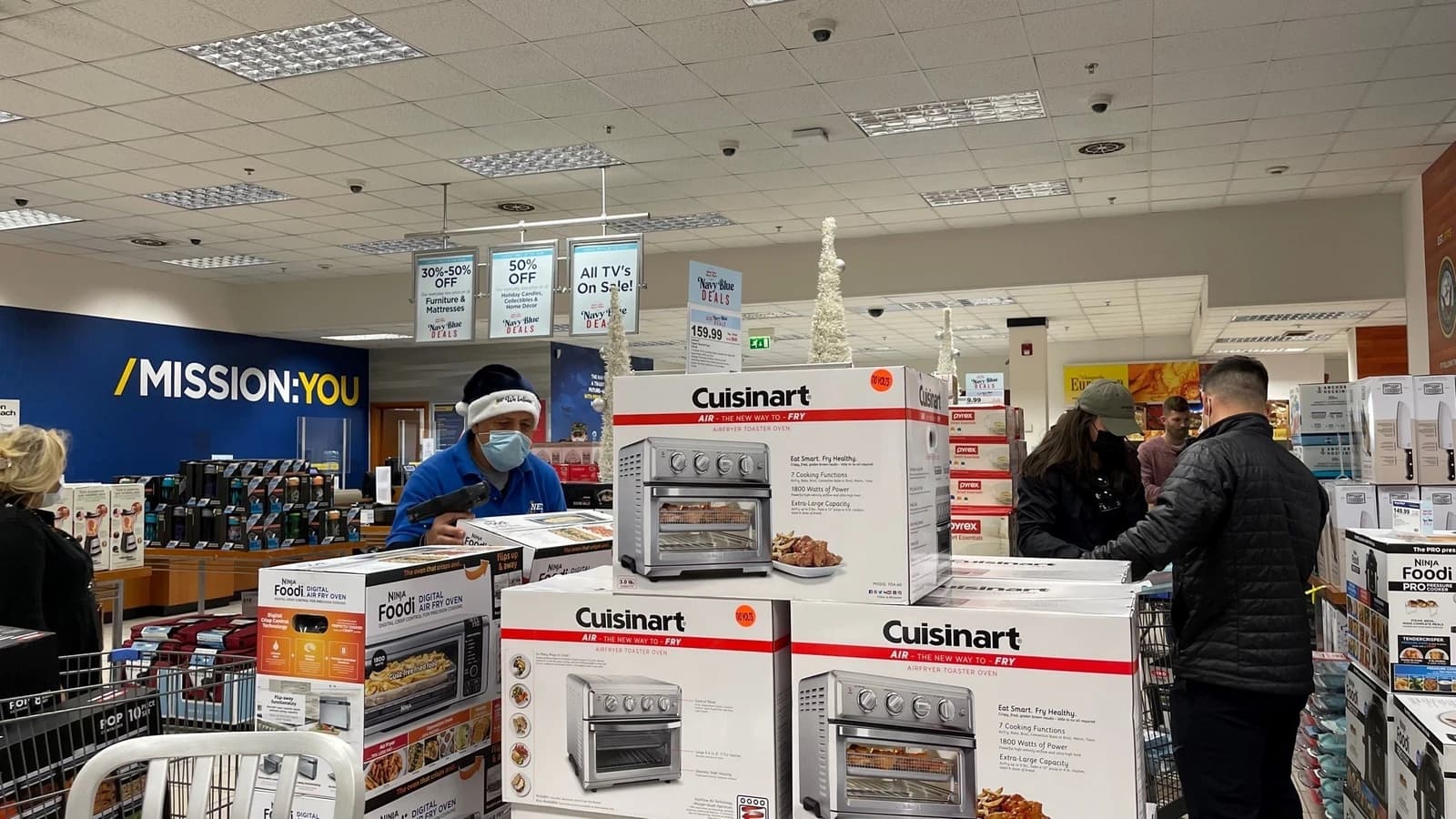
Fuel prices gave July retail sales a lift, but the underlying picture was weaker: once inflation is stripped out, spending fell 2.6% from a year earlier, a sign that households are still stretching to keep up rather than spending freely.
Retail Sales Rise on Fuel, But Real Demand Weakens
That gap matters because it tells investors the headline gain is being powered by price, not volume. In other words, nominal retail growth is flattering the consumer picture even as real demand for most goods remains under pressure. Fuel sales jumped 18.3% from a year earlier and food rose 4.1%, while other products dropped 7.6%, underscoring how concentrated spending has become in essentials and transportation.
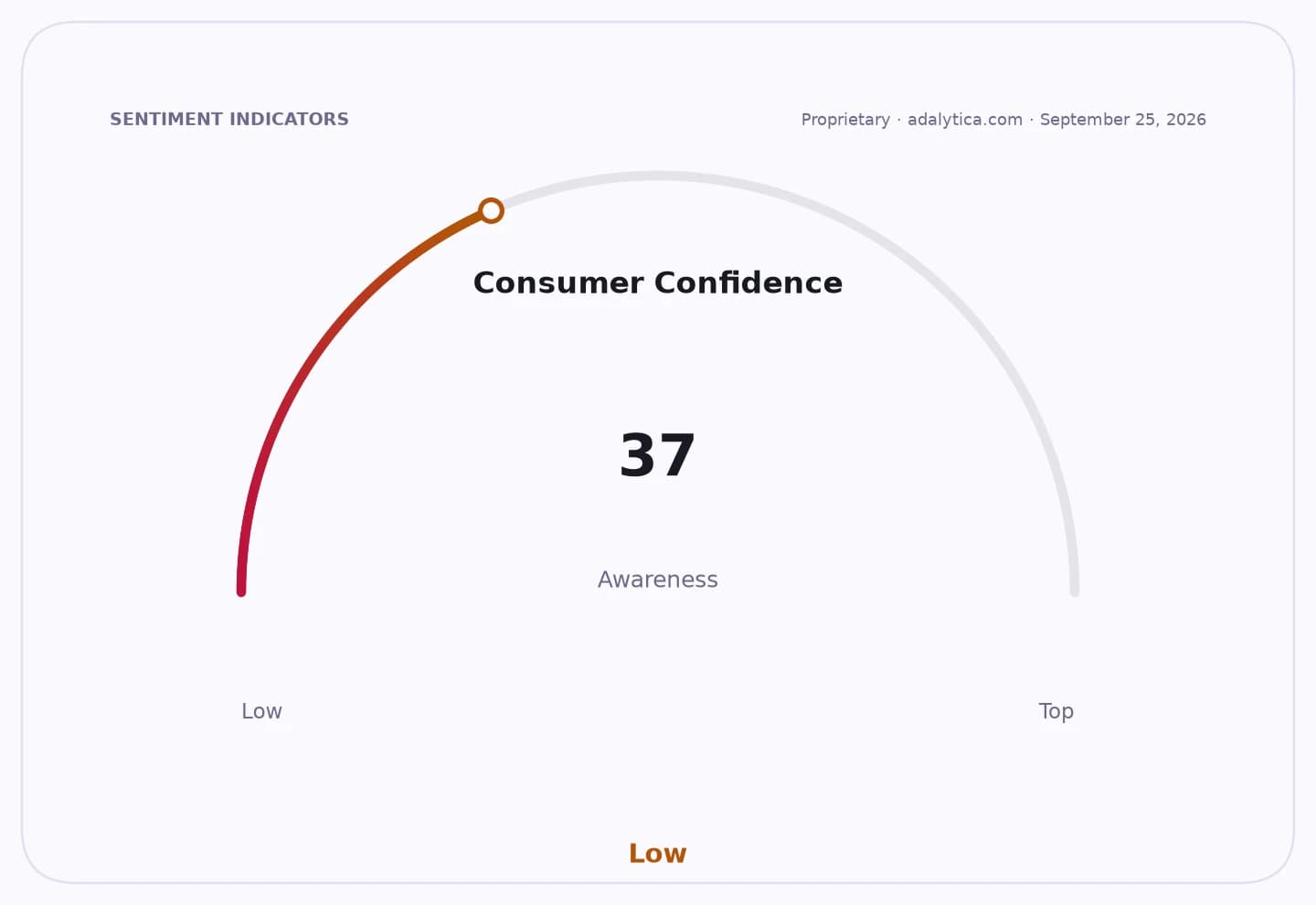
Sentiment IndicatorsⓘProprietary · adalytica.com · September 25, 2026
This is a snapshot — live sentiment, awareness and momentum for 130+ markets update continuously in the dashboard.Open AlphaPulse
The monthly comparison was stronger, with nominal retail sales up 17.3% from June and the real index rising 18.4%, but those figures were unadjusted for seasonal effects and should be treated cautiously. Employment in retail rose 3.7% year on year, suggesting the sector is still adding labor even as the spending mix remains defensive.
For investors, the message is more nuanced than a simple consumer rebound. Discretionary retailers and broad consumer cyclicals may find the demand backdrop uneven, while fuel-linked businesses and value-oriented chains are better positioned to capture the spending that is happening. The latest readings also fit a broader global pattern: consumers are still buying, but they are doing so selectively, with inflation and price sensitivity shaping where the money goes.
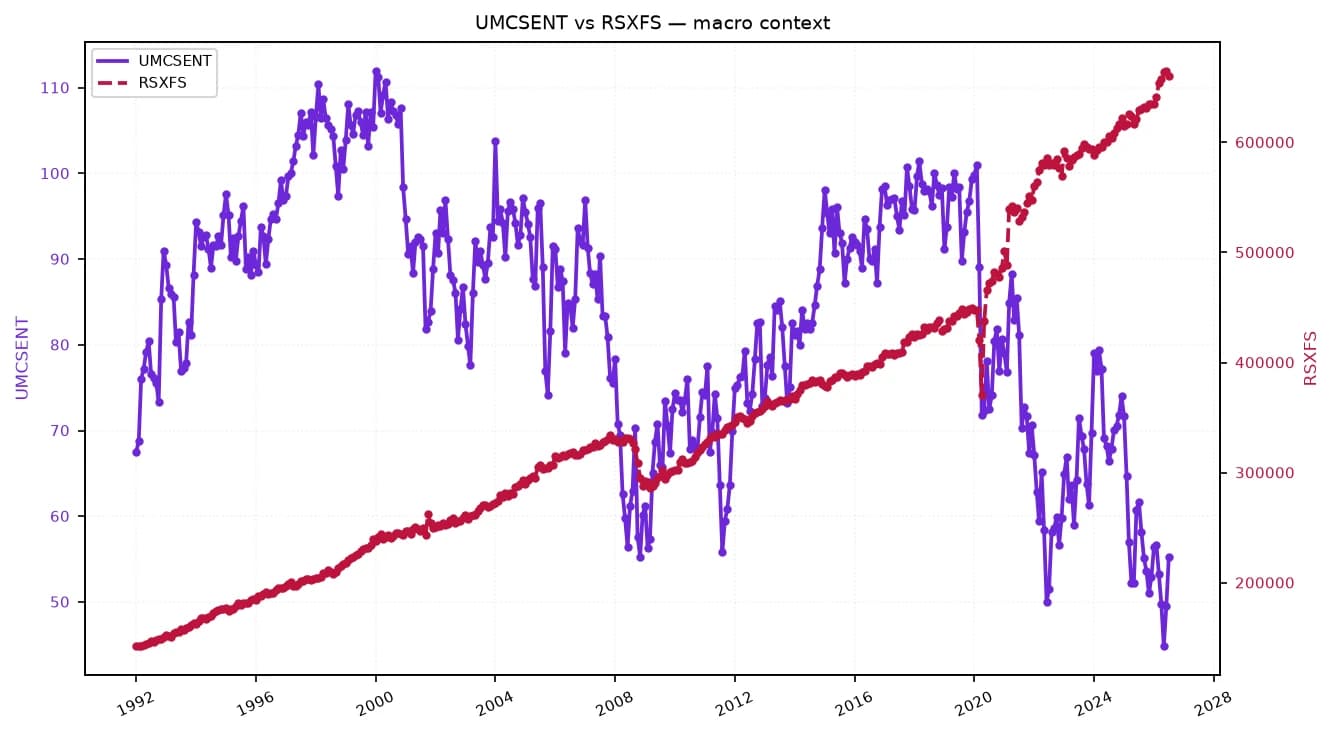
RSXFS vs UMCSENT — macro contextadalytica.com
Explore this data interactively — full history, time series and cross-market comparisons.Open AlphaPulse
The most important takeaway is that July’s retail growth is not yet a clean read on economic strength. It is a reminder that in a high-price environment, sales growth can look healthy even when real purchasing power is under strain. Until volume improves beyond fuel and food, the better investment case remains with companies that win on necessity, pricing power and share gains rather than pure discretionary demand.
| Entity | Gains | Losses |
|---|---|---|
| Fuel retailers | ▲Higher nominal sales | ▼Margin pressure if demand softens |
| Grocery chains | ▲Steady essential spending | ▼Weak discretionary basket |
| Discretionary retailers | ▲— | ▼Real sales decline |
| Retail labor market | ▲Job growth | ▼Wage gains squeezed by inflation |