Irish households stepped up grocery spending and store visits in the latest month as warmer weather and back-to-school shopping lifted volumes, but the bigger economic story is that inflation is still keeping value front of mind.
Irish grocery sales rise as inflation stays high
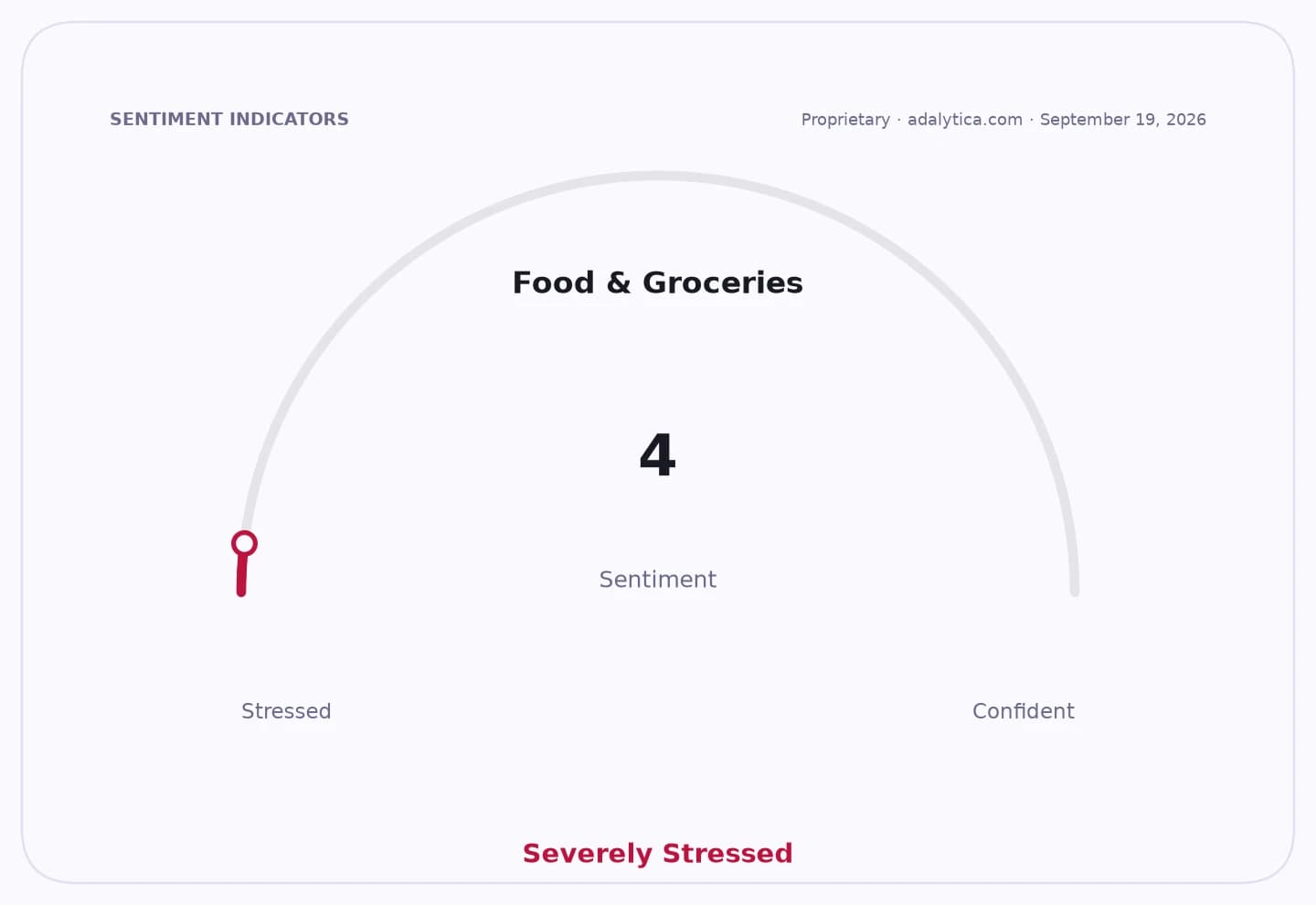
Grocery price inflation rose to 4.28% from 3.87% in the previous month, underscoring that shoppers are still paying more for food even as they buy more often. That matters because grocery spend is one of the most visible gauges of consumer strain: households can delay discretionary purchases, but they cannot easily avoid food inflation. For retailers and suppliers, the mix is important too — higher traffic and fuller baskets help turnover, but only if promotions and pricing do not erode margins.
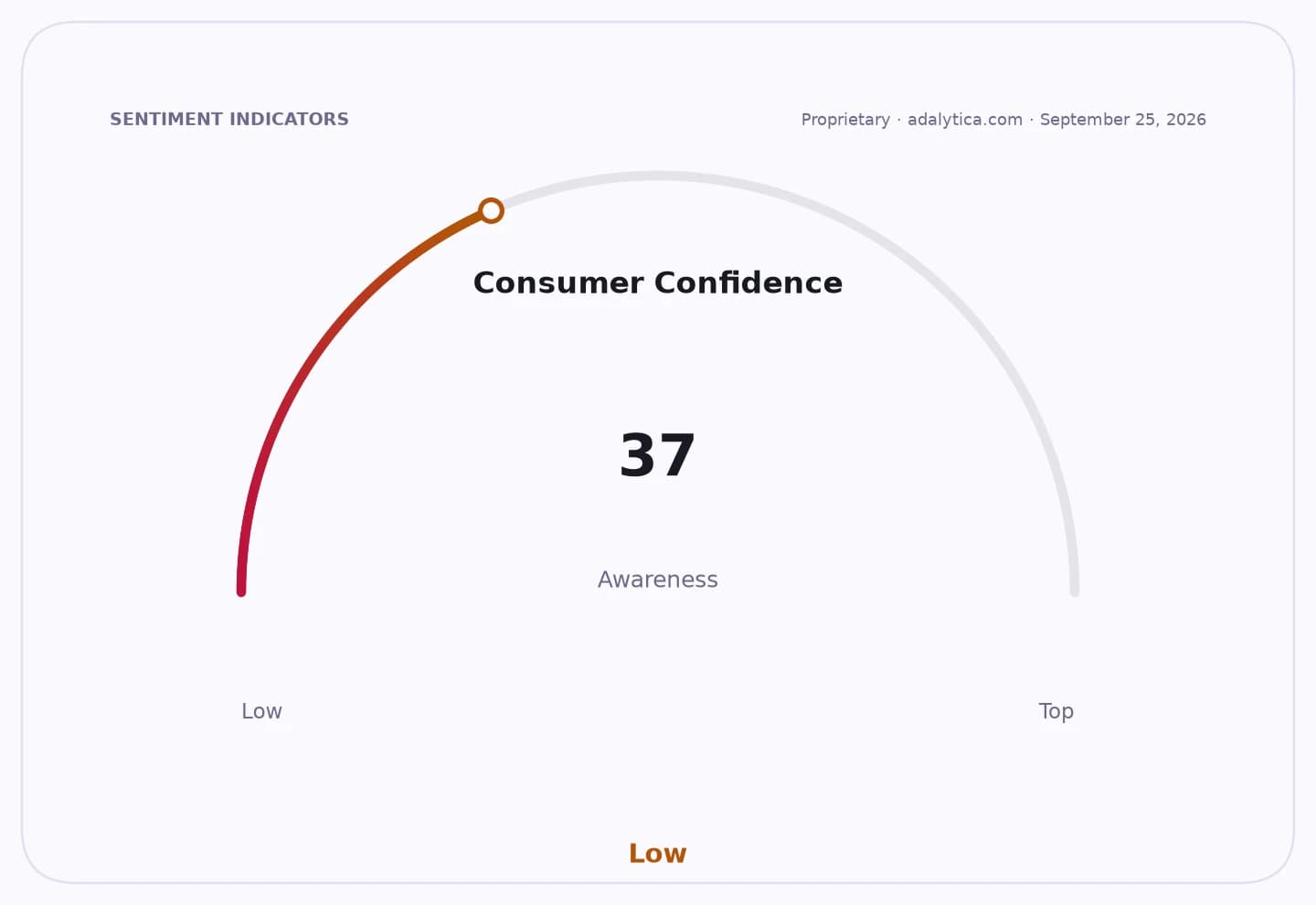
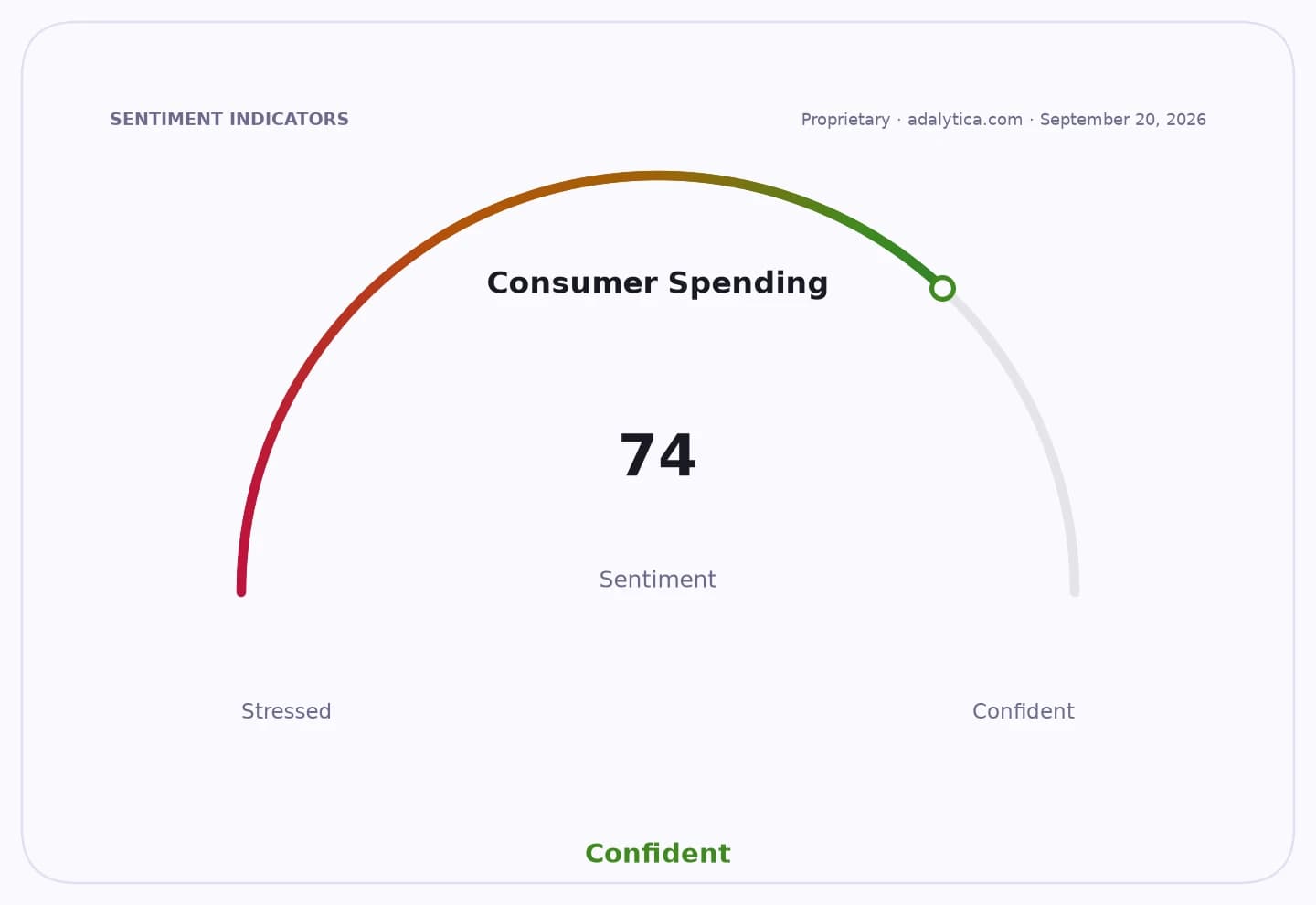
Sentiment IndicatorsⓘProprietary · adalytica.com · September 25, 2026
This is a snapshot — live sentiment, awareness and momentum for 130+ markets update continuously in the dashboard.Open AlphaPulse
Worldpanel by Numerator said Irish shoppers made 44.6 million trips in the four weeks to Sept. 3, 1.65 million more than the prior month, with trip frequency up 2.4% year on year and volumes per trip up 1.8%. The data suggests the return to school and routine is still a meaningful seasonal driver for the sector, especially when combined with unusually warm late-summer weather that kept shoppers in spending mode.
The sharpest signal for investors is that value-led behaviour remains intact even as branded goods regained ground. Promotional lines accounted for nearly 20.7% of grocery value over the latest 12 weeks, with shoppers spending €820 million on promotions, while promotional sales now represent nearly a quarter of spend, up 8.5%. That is a reminder that Irish consumers are still trading up and down the shelf based on price, not just preference.
Brands had the strongest period, with value up 13% and an extra €216 million of sales, helped by back-to-school staples such as biscuits, savoury snacks, breakfast bars, sliced cooked meats and yoghurts. Own label grew 3.6%, while premium own label rose 11.2%, showing that consumers are still willing to spend more when the proposition is clear. The read-through is that volume growth is broadening, but pricing power remains selective.
Among retailers, the numbers point to a competitive market where traffic and shopper recruitment are doing most of the heavy lifting. Dunnes held 24.3% share and grew sales 8.2%, Tesco held 24.1% and grew 7.8%, and SuperValu retained 19.2% while leading on visit frequency. Lidl again posted the fastest growth among the majors, with market share up 9.6% year on year to 14.7%, while Aldi remained smaller at 10.8%. That split suggests discounters continue to gain from value-conscious households, even as the larger supermarket chains win on frequency and basket expansion.
For investors, the message is twofold. Food retailers can still lean on seasonal traffic, branded recovery and promotions to support sales, but the environment remains highly price-sensitive and margin discipline will matter more than headline growth. The next key test will be whether this back-to-school lift is sustained into the autumn, or whether consumers revert to more cautious shopping patterns once the seasonal bump fades.
| Entity | Gains | Losses |
|---|---|---|
| Dunnes, Tesco, SuperValu, Lidl | ▲Higher trips and basket sizes | ▼Margin pressure from promotions |
| Branded goods suppliers | ▲13% value growth | ▼Own-label share gains |
| Value-conscious shoppers | ▲More promo choice | ▼Higher grocery inflation |
| Discounters vs. premium retail | ▲Share gains at Lidl and Aldi | ▼Pricing power for less value-led chains |