A typical Chuseok ancestral rite table will cost about 5.1% more this year than it did last year, with summer heat and rain pushing up vegetables and meat prices even as fruit and processed foods stay relatively calm.
South Korea Chuseok Basket Costs Rise 5.1%
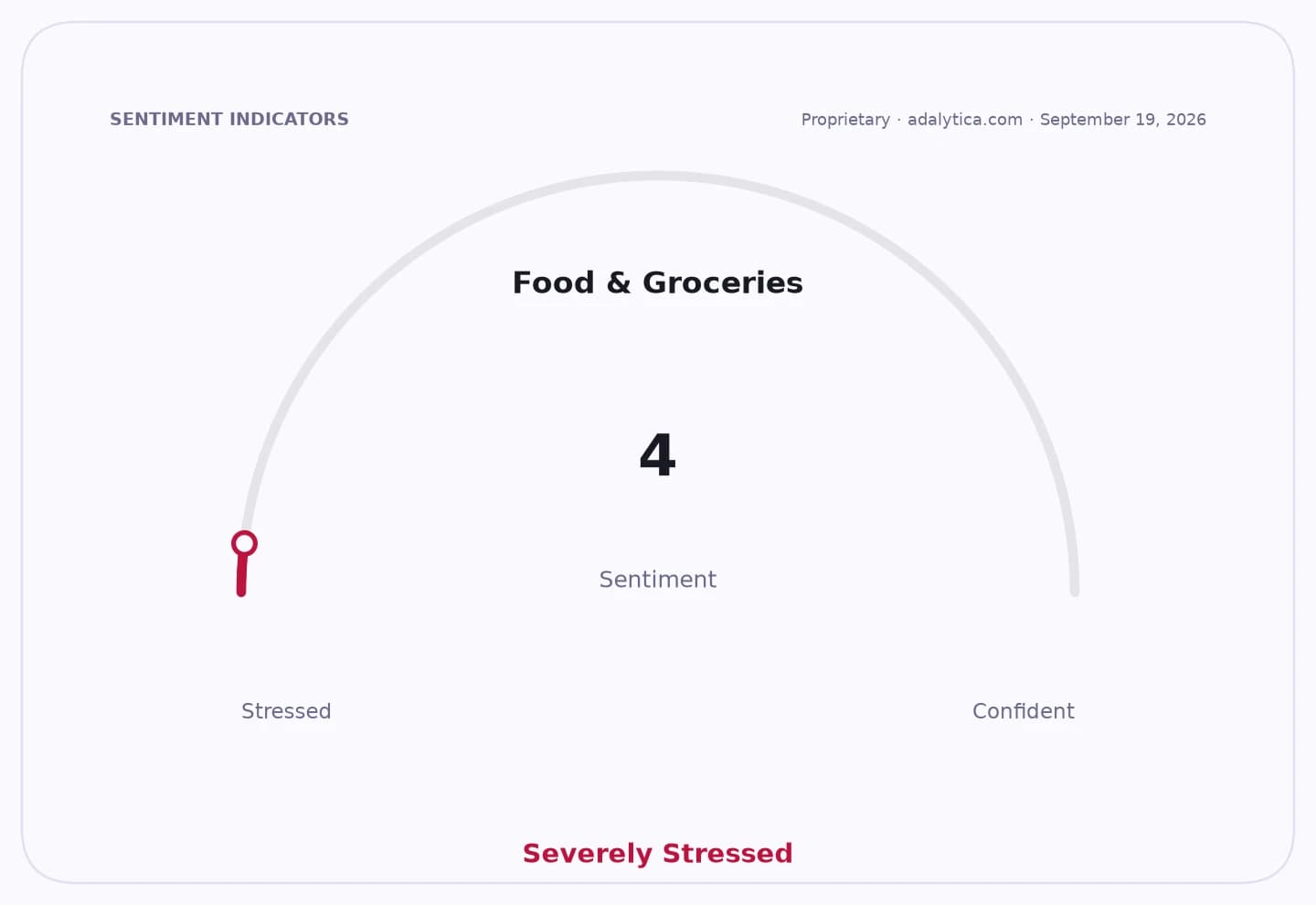
That matters because holiday food inflation hits households when they are most likely to spend heavily, and it can shape sentiment around broader consumer prices. In South Korea, where Chuseok is one of the biggest family spending periods of the year, a modest-looking increase in a ritual shopping basket can translate into real strain for millions of consumers and a useful read on food inflation pressures heading into the season.
The Seoul Agro-Fisheries & Food Corporation said on Sept. 9 it surveyed the cost of 34 holiday items across 25 outlets, including 16 traditional markets, eight large supermarkets and Garak Mall, using a six-person family basket as the benchmark. The average cost across the three retail channels came to 5.1% more than a year earlier.
Vegetables were the main driver. Their prices jumped 14.7% on average, led by zucchini, which surged 43.8%, radish, up 24.9%, and balloon flower root, up 23.0%. That reflects the familiar summer pattern of weather-related supply disruption, and it is exactly the kind of inflation that households notice quickly because these are staple ingredients for holiday dishes.
Meat and seafood also added pressure. Livestock prices rose 7.4% on average, with pork up 18.5% and beef for soup up 10.5%. Seafood climbed 6.2%, even as some government-released inventory helped ease prices for certain items such as yellow croaker. Fruit, by contrast, was relatively stable, rising only 3.6% on average, with apples roughly unchanged from a year earlier and persimmons and jujubes cheaper. Processed foods such as rice cakes, fish cake and sweet rice drink were largely flat.
For shoppers, the message is simple: where you buy matters almost as much as what you buy. Garak Mall was the cheapest option at 228,000 won for the basket, followed by traditional markets at 245,051 won, while large supermarkets were the most expensive at 290,711 won. Traditional markets were cheaper for seasoned vegetables, seafood and some meats, while supermarkets offered better prices on packaged items such as rice cakes, fish cake, eggs and snack foods.
That split is important for investors and policymakers because it shows inflation is not moving evenly. The squeeze is concentrated in fresh produce, where weather is doing the damage, while other parts of the basket are still manageable. That kind of uneven pressure tends to keep food-price anxiety elevated even when headline inflation appears under control.
There is also a small but telling policy signal in the data. Authorities are still using inventory releases and retail promotions to cushion holiday demand, and Garak Mall is offering vouchers for qualifying purchases through Sept. 20. For consumers, that may help soften the blow. For retailers and grocery chains, it means price competition remains intense, especially around seasonal spikes.
For long-term investors, the bigger lesson is that food inflation is often cyclical, not structural. Heat waves, rainfall and holiday demand can move prices sharply for a few weeks, but they do not necessarily change the earnings power of the companies serving the market. What they do change is near-term purchasing behavior, which can favor discount grocers, value-oriented retailers and wholesalers with strong supply chains.
The key question now is whether late-season weather keeps vegetable prices elevated into the actual holiday shopping period. If it does, households may trade down to cheaper channels, split shopping between markets and supermarkets, and lean harder on promotions. That is worth watching, because in consumer staples, even small shifts in basket mix can compound over time. For investors, this is a reminder to favor businesses with pricing discipline, sourcing power and the flexibility to serve budget-conscious shoppers.
| Entity | Gains | Losses |
|---|---|---|
| Traditional markets | ▲Price-sensitive shoppers | ▼Premium supermarkets |
| Garak Mall | ▲Budget-conscious buyers | ▼Higher-cost retailers |
| Large supermarkets | ▲Packaged goods sales | ▼Fresh produce margins |
| Households | ▲Some fruit stability | ▼Holiday grocery budgets |