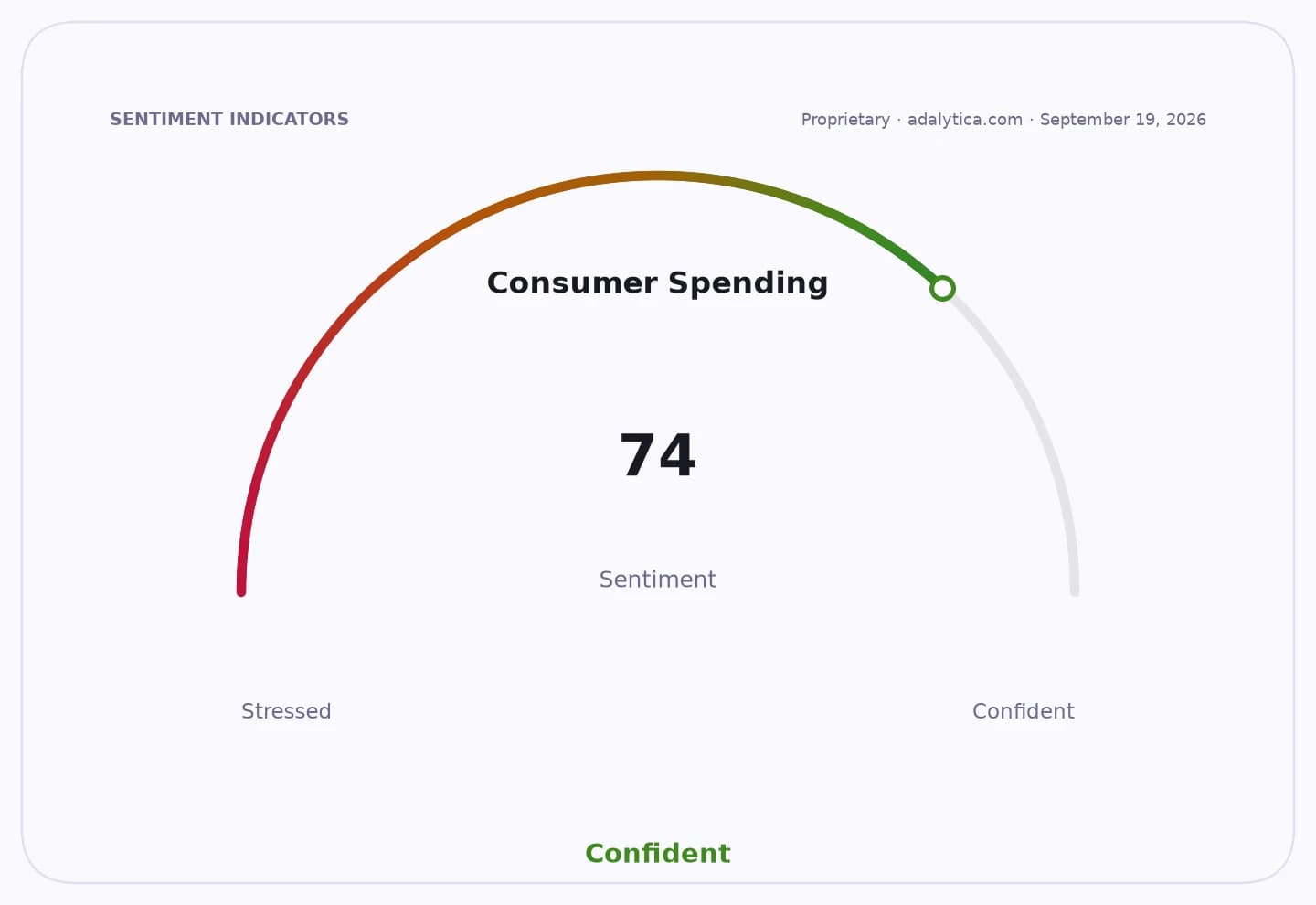
Rising grocery bills are changing not just what Americans buy, but how they shop, and that shift is creating a clearer divide between disciplined retailers and households still financing essentials with debt.
Walmart, Costco, Kroger Benefit From Grocery Discipline
The most important takeaway from the latest consumer advice around “little habits” inflating grocery bills is that food inflation has become a behavioral trap as much as a pricing one. When 30% of consumers say they are using credit cards for essentials knowing they may not pay them off, according to an Omnisend survey, and nearly 1 in 5 adults are dipping into savings to buy groceries, the issue is no longer about convenience — it is about liquidity. That is why the smartest response is brutally practical: fewer trips, tighter meal planning, less waste, and fewer pre-made purchases that carry a premium.
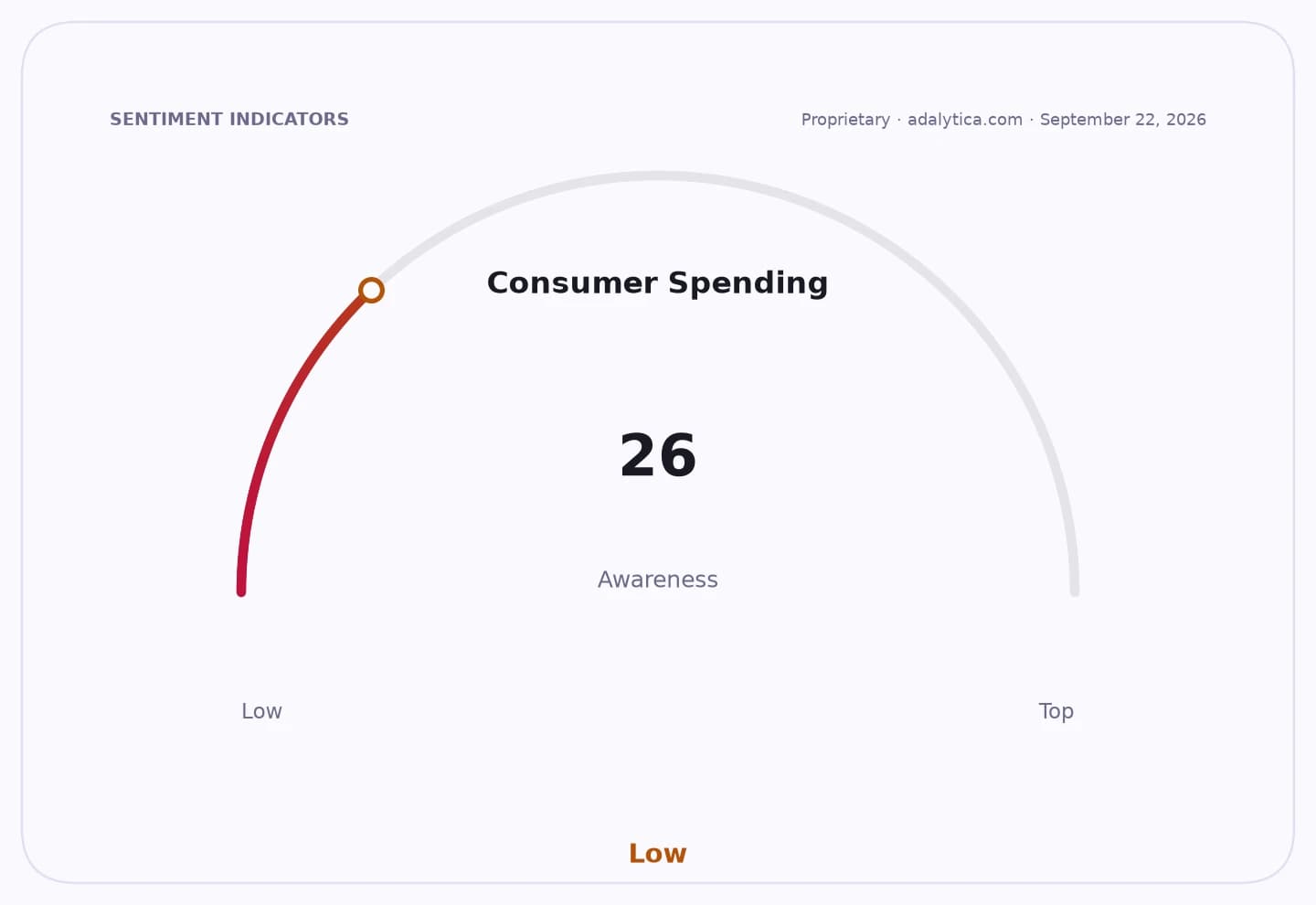
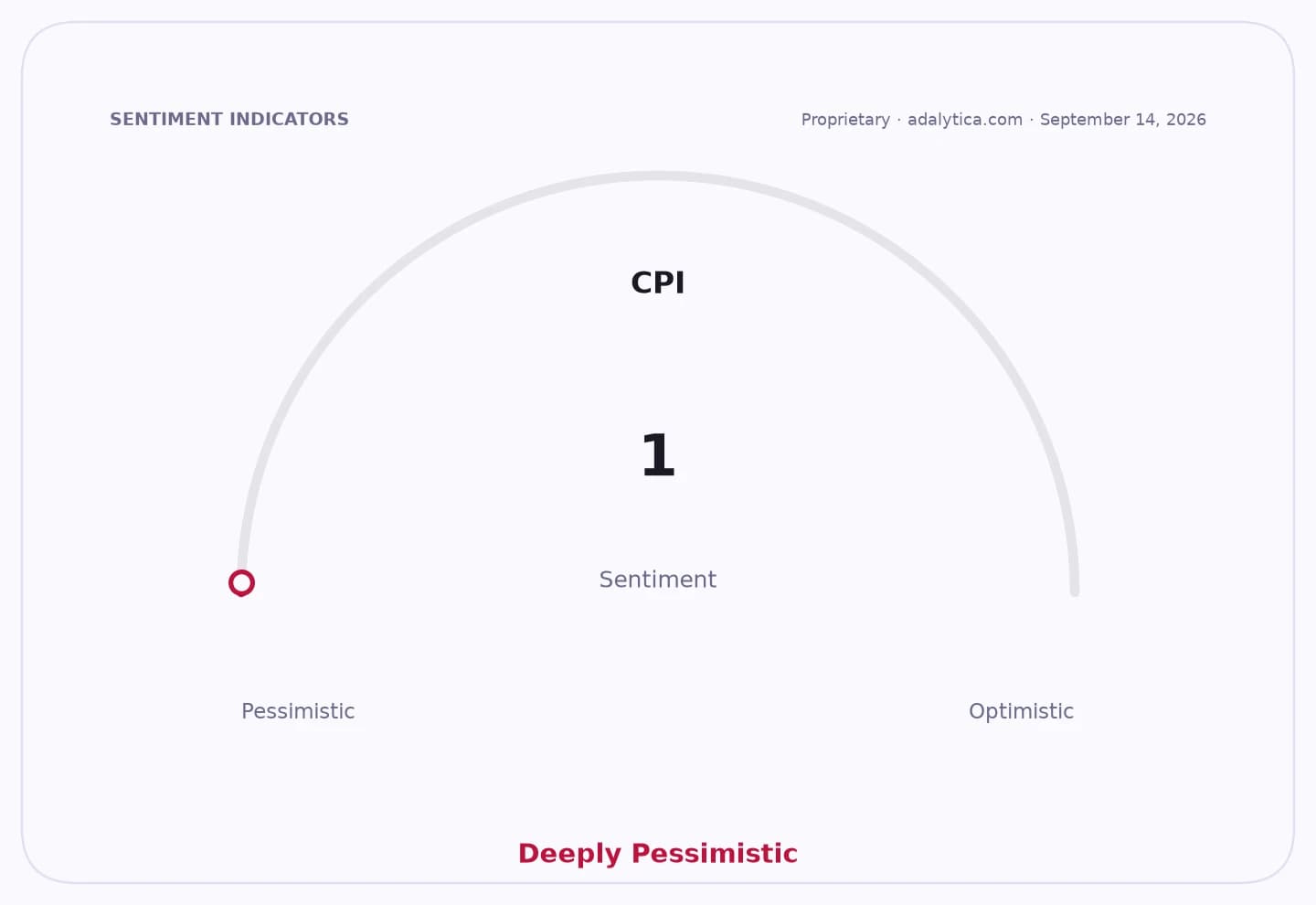
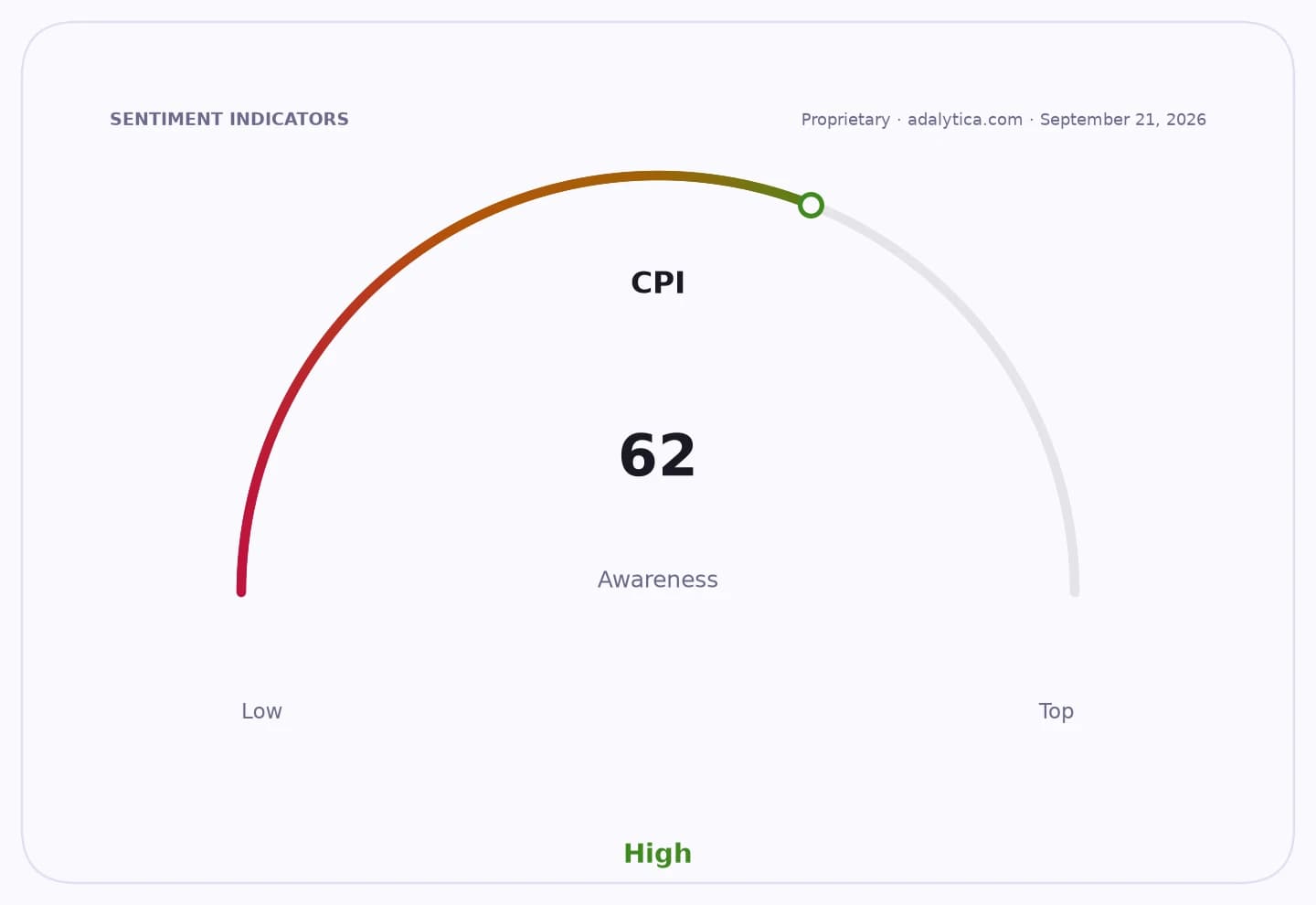
Sentiment IndicatorsⓘProprietary · adalytica.com · September 21, 2026
This is a snapshot — live sentiment, awareness and momentum for 130+ markets update continuously in the dashboard.Open AlphaPulse
The macro backdrop explains why this matters now. U.S. grocery inflation has remained sticky enough to keep pressure on household budgets, even as broader inflation cools. The consumer price index is still forecast to edge higher in the near term, while producer prices for food inputs remain elevated, suggesting retailers are not getting much relief from the supply side. The latest context around food inflation, including persistent cost pressure in essentials, reinforces a simple thesis: consumers cannot count on a quick reprieve, so saving money at the checkout is becoming a permanent operating discipline, not a temporary budgeting exercise.
That shift favors the big grocers with scale, loyalty programs and digital ecosystems. Walmart, Costco and Kroger are positioned to benefit as households trade up in discipline and down in spontaneity. Walmart’s shares have held above their longer-term trend even after recent volatility, while Costco has remained a premium multiple story because membership income and bulk buying are exactly what matters when shoppers are looking to stretch every dollar. Kroger, meanwhile, benefits when consumers become more promotion-sensitive and app-driven, because loyalty discounts and fuel rewards become more valuable in an inflationary environment.
The data also point to a less obvious beneficiary: retailers that help shoppers feel in control. The habits highlighted by consumer experts — pantry sweeps, weekly shopping, loyalty activation, and buying whole proteins instead of pre-cut convenience items — all push demand toward value channels and away from high-margin impulse items. That is a headwind for premium prepared foods and convenience-driven basket builders, but it supports warehouse clubs, private-label-heavy grocers and discounters that can offer visible savings. It also underscores why food waste remains a huge economic leak: the USDA says Americans waste 30% to 40% of their food each year, which means a large share of grocery spending disappears before it ever reaches the plate.
Investors should read this as a durable consumer trade, not just a cyclical one. Inflation may cool, but habits formed under stress tend to stick. If households keep planning meals, consolidating trips and choosing bulk over convenience, the winners will be the companies with the best pricing power, loyalty engines and traffic conversion. My thesis is that the market still underestimates how much this environment entrenches the biggest food retailers while squeezing smaller, convenience-dependent operators. If you want exposure, stay with scale, membership, and digital loyalty — that is where the next round of grocery savings, and investor returns, are most likely to accumulate.
| Entity | Gains | Losses |
|---|---|---|
| Walmart | ▲value-seeking traffic | ▼impulse-margin baskets |
| Costco | ▲bulk-buy demand | ▼convenience retailers |
| Kroger | ▲loyalty-app engagement | ▼unplanned spending |
| Consumers | ▲lower grocery bills | ▼waste and debt reliance |