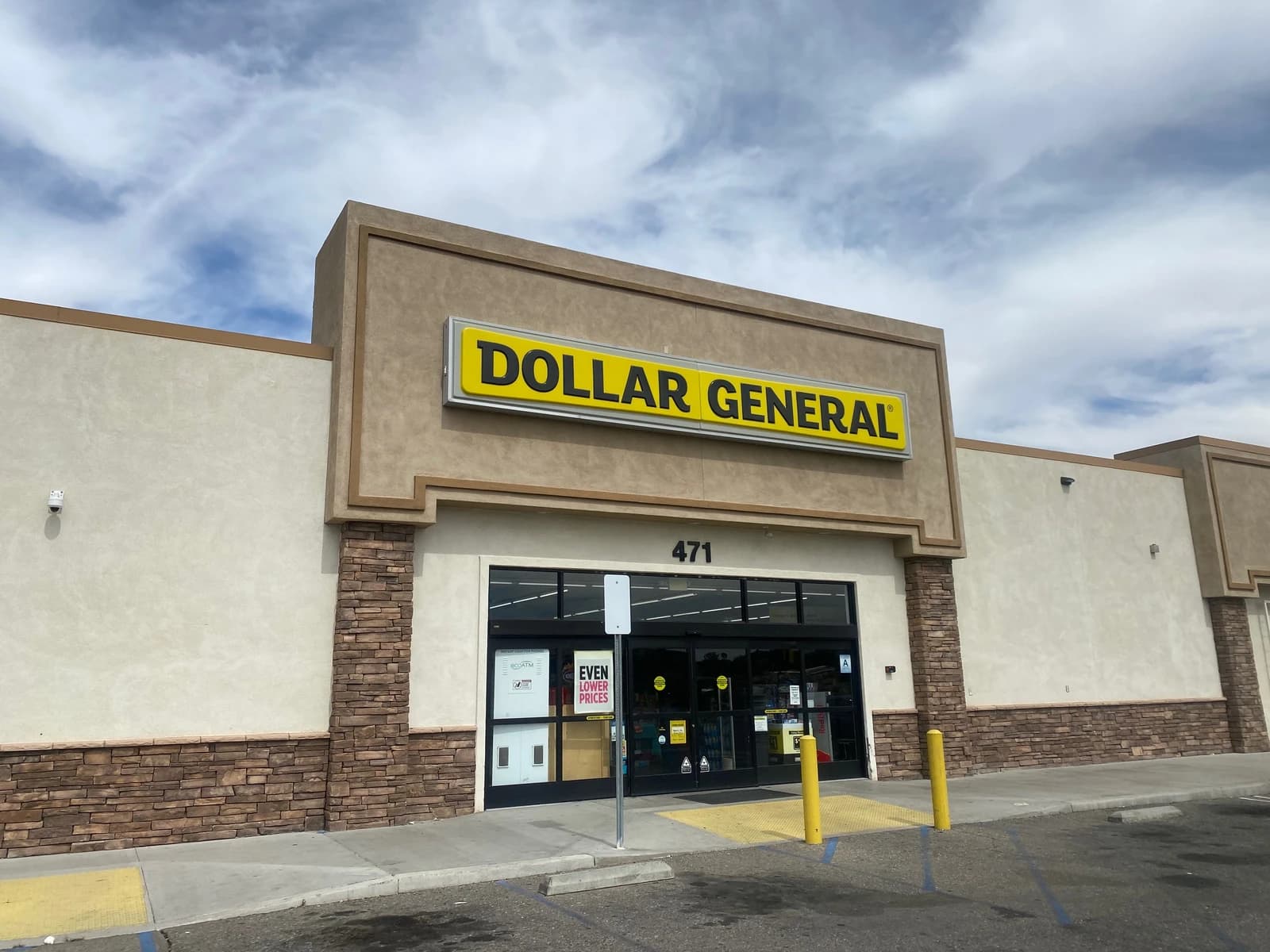
Dollar General’s top executive says households earning $100,000 a year no longer feel like affluent consumers, underscoring how years of elevated inflation and high fuel costs are pushing even upper-middle-income Americans toward discount retailers.
Dollar General Says $100,000 Income Shoppers Are Trading Down
That shift matters because it suggests the squeeze from gasoline, food, insurance and utility bills is broadening beyond the company’s core low-income customer base and is reshaping U.S. spending patterns in a way that could support dollar stores while adding pressure to mid-tier retailers and premium brands. It also shows how resilient consumer demand has become less a sign of comfort than of adaptation: shoppers are still spending, but they are changing where and how they buy.
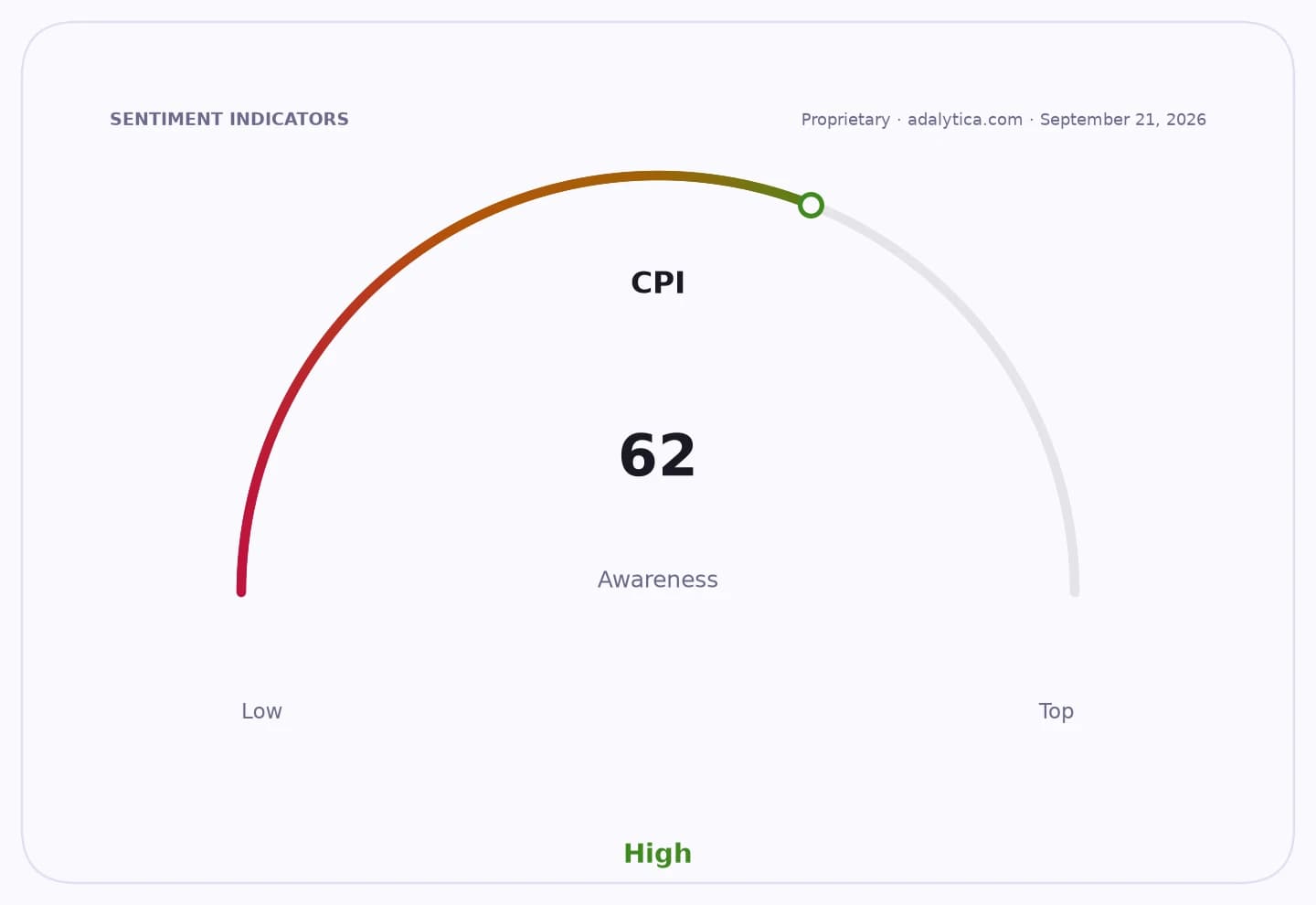
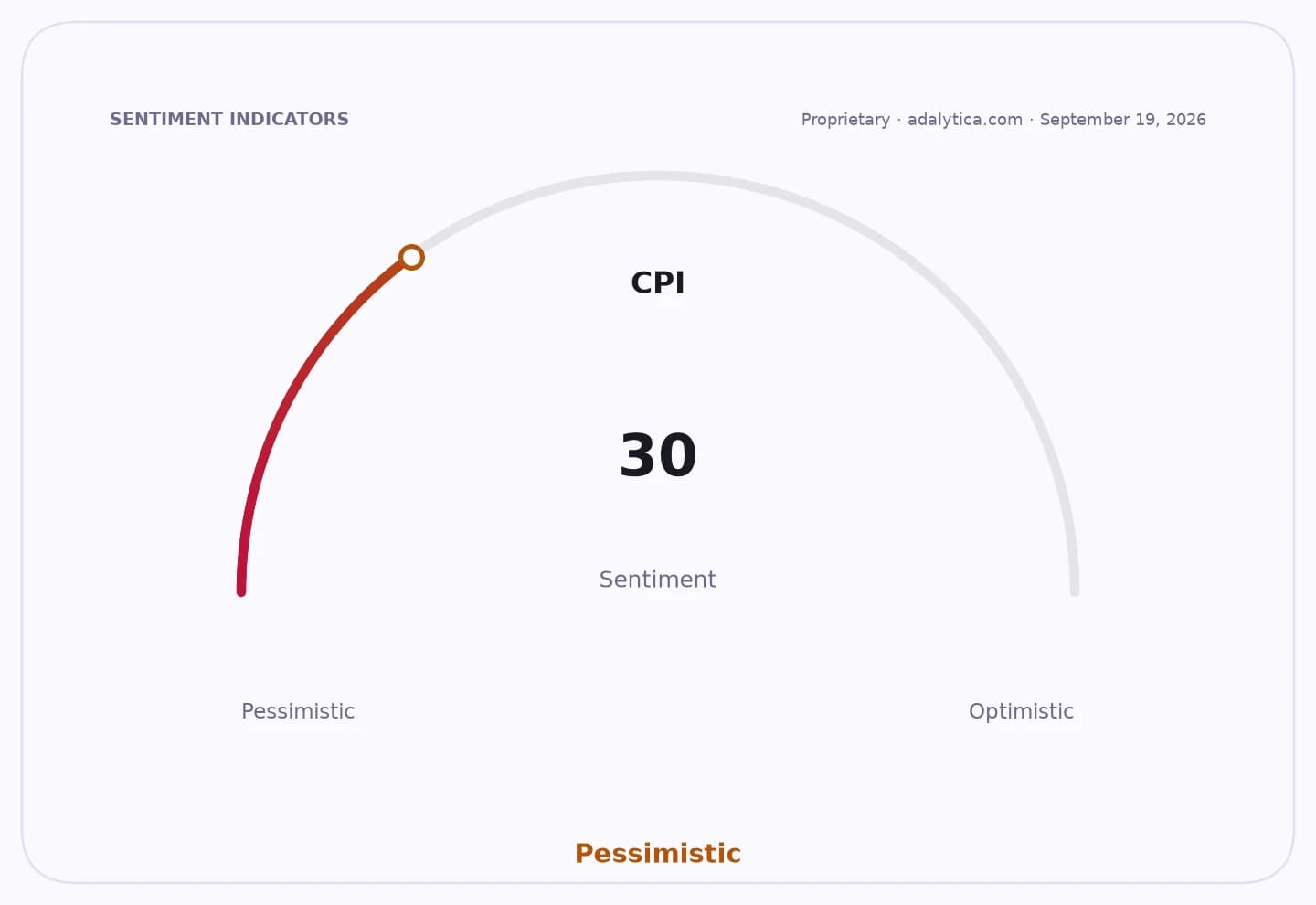
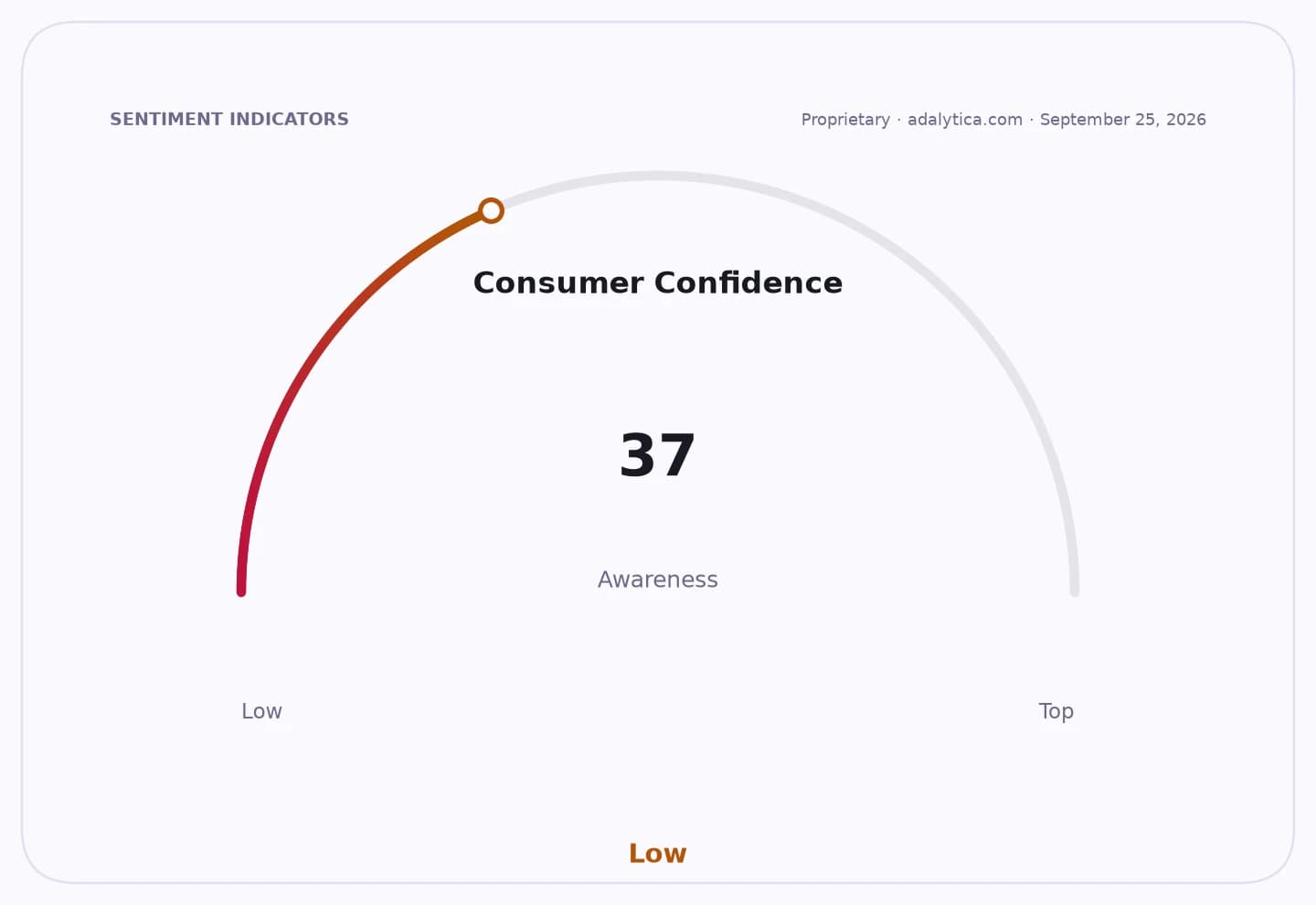
Sentiment IndicatorsⓘProprietary · adalytica.com · September 24, 2026
This is a snapshot — live sentiment, awareness and momentum for 130+ markets update continuously in the dashboard.Open AlphaPulse
Todd Vasos told the Goldman Sachs Global Consumer and Retail Conference that Dollar General’s core shoppers — those making less than $45,000 a year — change behavior when gas prices rise to about $4 a gallon, buying closer to home, making more frequent trips and purchasing less per visit. He said the same pattern is now showing up among consumers with much higher incomes. “I don’t feel like I’m higher income at $100,000 any longer,” he quoted customers as saying.
The message lands at a time when the national average gasoline price has climbed to $4.476 a gallon, up from $3.189 a year earlier, according to AAA, while diesel at $6.50 is adding to freight and shelf-price pressure. Those costs hit dollar stores in two ways: they strain households directly and raise transportation expenses across the supply chain. But for Dollar General, the larger effect is demand creation. When more consumers are budget-conscious, the chain’s 2,000 items priced at or below $1 become a competitive weapon rather than a promotional tactic.
There is broader evidence the U.S. consumer is still absorbing the shock. Retail sales rose 1.2% in August, while sales excluding gasoline gained 1.1%, suggesting households have not stopped spending even as they trade down. The company’s thesis is that employment remains the key stabilizer: as long as people have jobs, they will keep adjusting to higher prices rather than abandoning consumption.
For investors, that makes Dollar General and other discount chains a relative beneficiary of the inflation cycle, especially if fuel prices remain elevated and real wage gains lag household expenses. Walmart has already said more affluent customers have been shopping at its stores, and the latest comments suggest that migration is extending further down the value chain to deep discounters. The bearish case is that sustained cost inflation can still compress margins through higher logistics, wage and markdown expenses, even as traffic improves.
The coming months will show whether this is a temporary stretch in consumer behavior or a lasting reset in what counts as middle-class spending power. For now, the clearest trade is that inflation is no longer just a low-income story — it is a broad consumer story, and discount retailers are capturing the migration.
| Entity | Gains | Losses |
|---|---|---|
| Dollar General | ▲Trade-down traffic | ▼Premium retailers |
| Walmart | ▲Affluent bargain seekers | ▼Mid-tier chains |
| Consumers earning $100,000 | ▲Lower-price access | ▼Perceived spending power |
| Trucking/suppliers | ▲Higher volume demand | ▼Margin pressure from fuel costs |