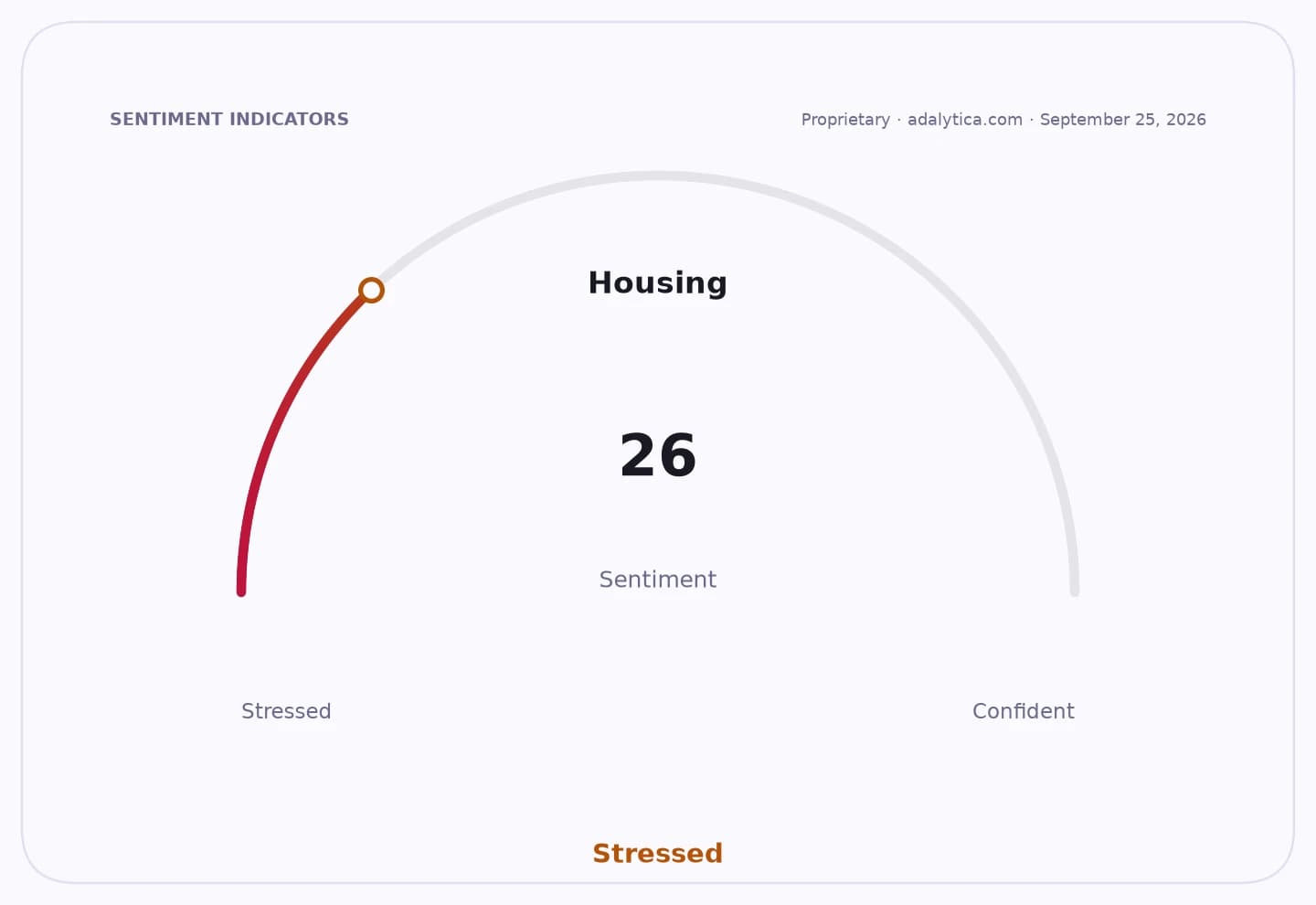
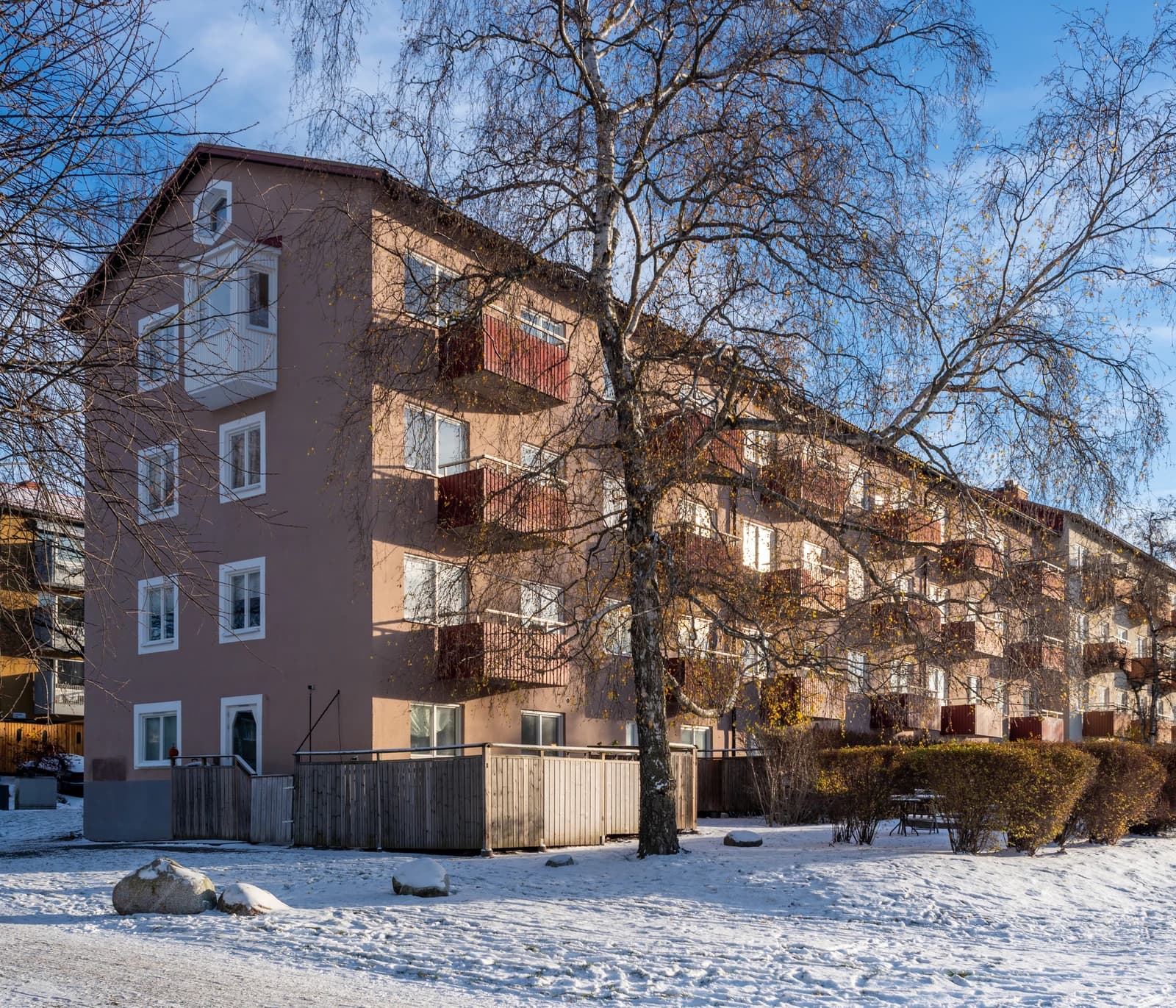
Australia’s housing market is weakening for a fifth straight month, but the bigger economic story is that prices are falling even as the country remains short of homes, underscoring how high borrowing costs are overwhelming a structural supply deficit.
Australia housing prices fall for fifth straight month

The decline in August, reported by NAB, points to a market that is no longer being supported by the usual affordability floor of chronic undersupply. That matters for the economy because housing is both a major household balance-sheet asset and a transmission channel for monetary policy: softer prices curb wealth effects, can cool consumption, and reduce the incentive for leveraged buying just as borrowers face elevated mortgage rates.
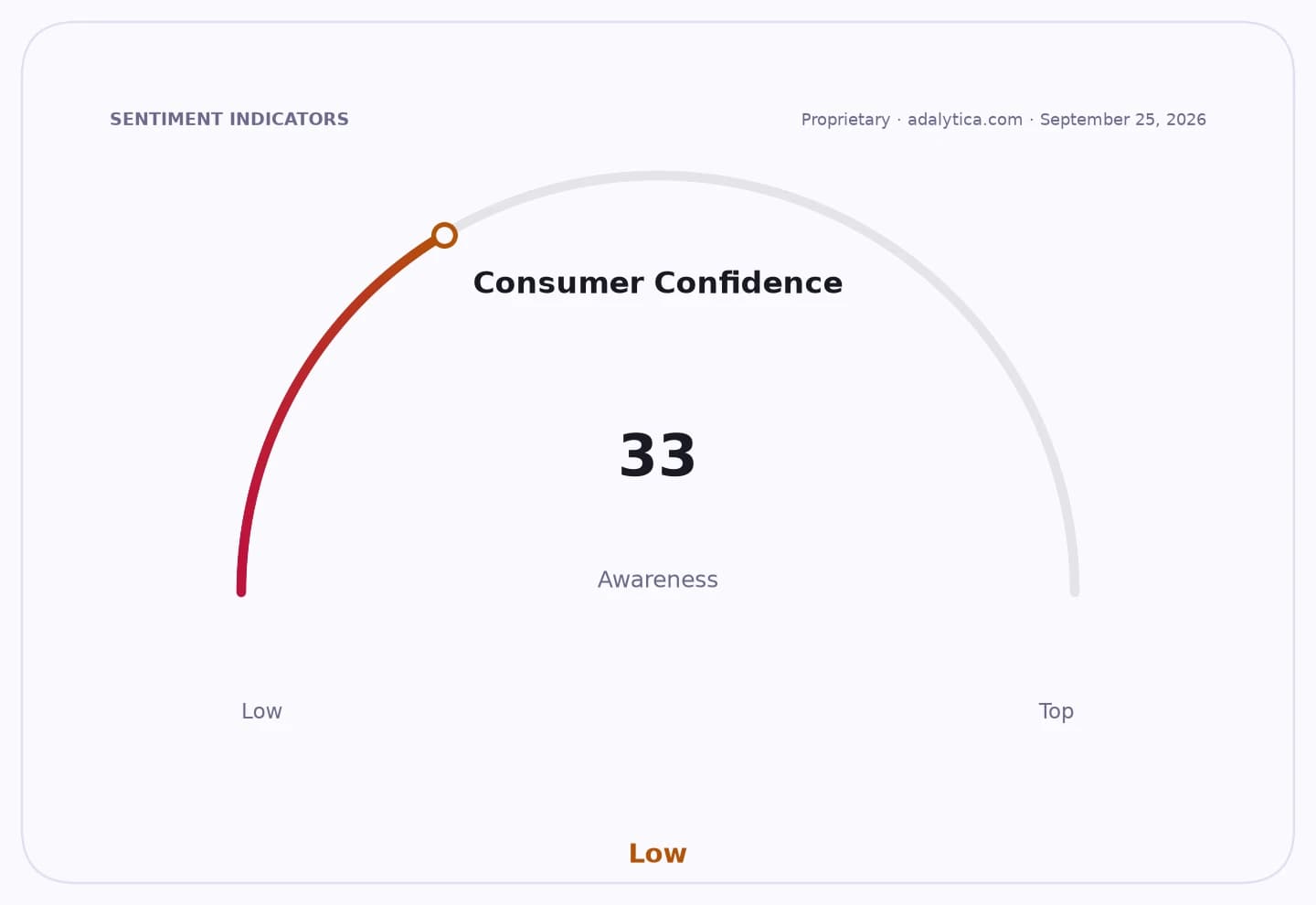
Sentiment IndicatorsⓘProprietary · adalytica.com · September 4, 2026
This is a snapshot — live sentiment, awareness and momentum for 130+ markets update continuously in the dashboard.Open AlphaPulse
The price weakness comes against a backdrop of persistent housing undersupply. Australia has missed federal housing approval targets for 25 straight months, leaving it roughly 89,000 homes behind schedule. In normal conditions, that kind of shortage would cushion prices. Instead, the current slide suggests financing conditions are doing more damage than supply constraints can offset, especially for first-home buyers and households rolling off low fixed-rate loans onto higher repayments.
For investors, the implications are mixed. Banks face a less exuberant housing backdrop, though falling prices do not automatically translate into credit stress unless unemployment rises or arrears climb. Homebuilders, brokers and property-linked names are more exposed to a prolonged slowdown in transaction volumes, while renters could eventually benefit if weaker prices and slower demand cool the broader housing inflation cycle. The NAB data also support the case that the Reserve Bank of Australia has been tightening into a fragile property market, even if inflation remains the central policy concern.
The market reaction in Australian housing-linked names has been more measured than dramatic, but the technical picture in NABZY has softened after a sharp summer run. The stock is trading around A$14.19, just above its 200-day moving average, after dropping from A$14.70 at the end of July, while its relative strength index has eased from overbought levels. That suggests investors are no longer pricing in the same degree of housing-market momentum that drove the earlier rally.
The key question now is whether August marks another step in a normal cyclical correction or the start of a broader reset in Australian property values. If approvals stay weak and mortgage affordability remains stretched, the supply shortage may matter more for future rent inflation than for home prices. If rates begin to ease or wage growth holds up, the market could stabilize quickly. For now, the balance of evidence points to a housing market that is still undersupplied, but not insulated.
| Entity | Gains | Losses |
|---|---|---|
| Homebuyers | ▲Slightly better affordability | ▼Negative equity risk |
| Renters | ▲Possible slower rent growth | ▼Continued tight supply |
| Banks | ▲Steady loan demand | ▼Softer housing sentiment |
| Homebuilders | ▲Policy urgency for supply | ▼Weaker sales volumes |