U.S. shoppers are treating fall travel like a must-pay bill, even as inflation keeps ticket prices, fuel and hotel rates elevated.
U.S. Travel Spending Holds Up Despite Inflation
That matters because it shows the consumer is still spending, but doing so with less cushion — a pattern that can keep holiday-related demand firm while quietly weakening household balance sheets heading into a more expensive winter. For investors, it supports the near-term case for travel, leisure and discretionary names, but also warns that the spending strength may be financed by savings drawdowns rather than real income gains.
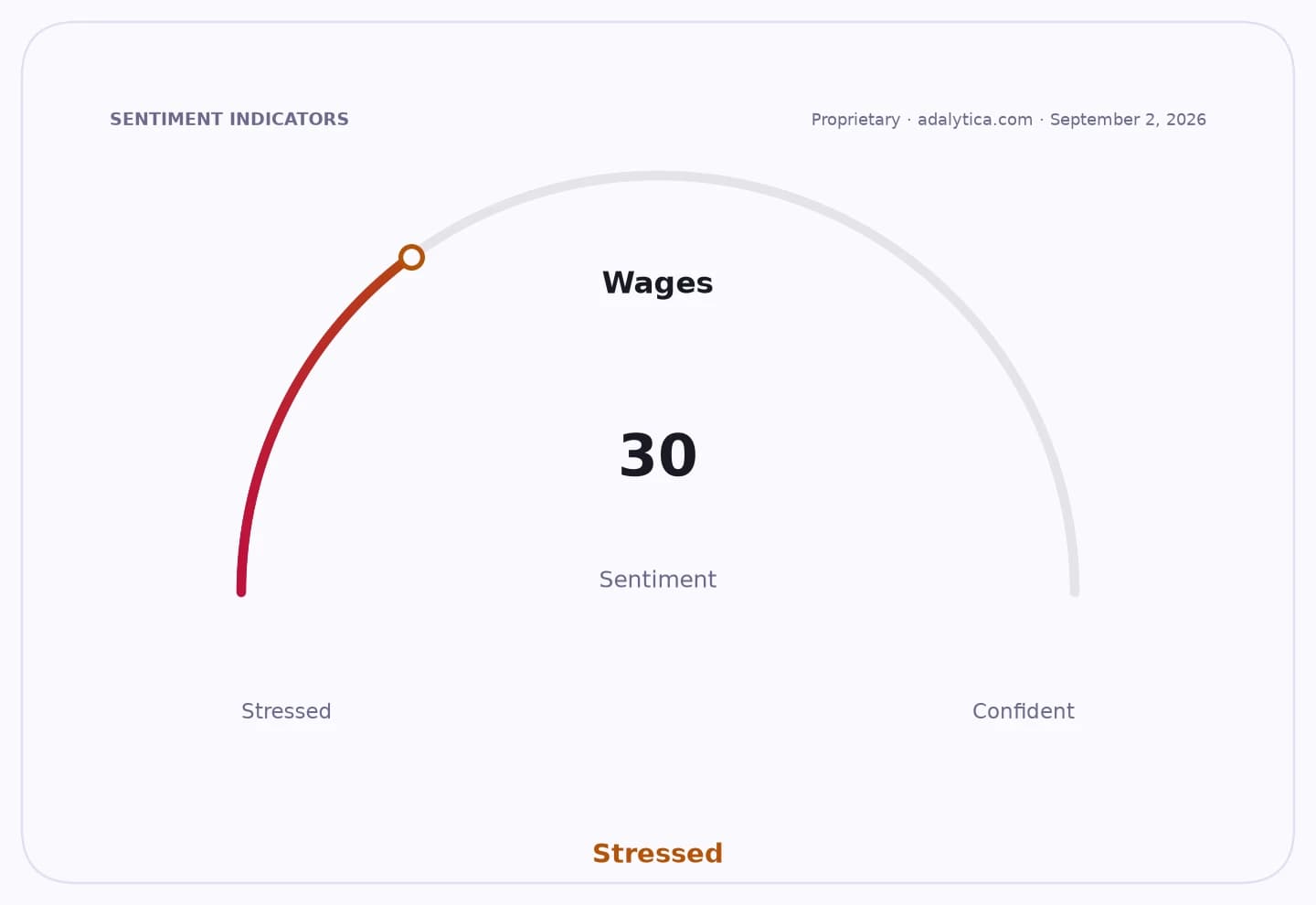
Sentiment IndicatorsⓘProprietary · adalytica.com · September 25, 2026
This is a snapshot — live sentiment, awareness and momentum for 130+ markets update continuously in the dashboard.Open AlphaPulse
A Squaremouth survey of more than 6,200 respondents found that only 47% of travelers would adjust plans if costs rose as much as 25%, while 13% said they would cut into savings or investments to fund a trip. Another survey found more than half of Americans were willing to trim other spending, including 19% who would cut retail purchases and 13% who would reduce restaurant spending, to protect vacation budgets.
The message is simple: travel has become a priority expense, not a discretionary leftover. Squaremouth said consumers are now budgeting for vacations up front rather than paying for them only if money remains after essentials. That shift helps explain why summer travel held up despite higher prices and why fall bookings are staying resilient even as shoulder-season discounts become harder to find.
The inflation backdrop makes the behavior more consequential. Consumer prices remain sticky, with the CPI and the Fed’s preferred PCE gauge still elevated compared with pre-pandemic norms, while money supply has also remained large by historical standards. Adalytica’s inflation-confidence gauges point to extreme fear around long-term inflation expectations, wage inflation and five-year breakevens, underscoring how little faith households have that price pressure is fading quickly.
That matters for markets because sticky spending at the margin can sustain airlines, online travel agencies, hotels and car-rental demand longer than many expect. It also favors the broad consumer-discretionary trade, including the XLY ETF, even if the rally is choppy. But the same data argues for selectivity: the consumer staples trade may prove more defensive if households keep raiding savings just to preserve lifestyle spending.
The stock tape already reflects a market balancing act. XLY has pulled back from recent highs and was trading below both its 50-day and 200-day moving averages, while XLP has held up better and still sat above its longer-term average. That divergence suggests investors are still paying up for resilience, but not yet pricing a clean reacceleration in discretionary demand.
My thesis is that the real opportunity is not in betting on a broad consumer boom — it is in owning the toll roads of holiday spending: travel platforms, booking intermediaries, luggage, discount retail and value-oriented consumer names that capture demand even when households trade down. The risk is that this behavior is unsustainable if wage growth stalls or energy costs rise again.
For now, though, the market is underestimating how determined Americans are to protect vacations even at the expense of savings. That keeps a floor under fall travel demand — and sets up a sharper hit later if inflation continues to eat into real disposable income. Investors should position for a near-term travel tailwind, but favor the beneficiaries that can win when consumers tighten budgets, not the ones that rely on carefree spending.
| Entity | Gains | Losses |
|---|---|---|
| Airlines, hotels, car-rental firms | ▲Steady fall demand | ▼If savings fatigue hits |
| Travel booking platforms | ▲Higher booking volumes | ▼Fewer true discount offers |
| Consumer discretionary stocks (XLY) | ▲Vacation-led spending | ▼Margin pressure from inflation |
| Consumer staples (XLP) | ▲Relative defensive appeal | ▼Missed upside from travel demand |