Turkey’s central government gross debt stock rose to 15.89 trillion lira at the end of August, underscoring how quickly the sovereign balance sheet is expanding and how exposed the state remains to exchange-rate swings.
Turkey central government debt reaches 15.89 trillion lira
The Treasury said the stock reached 15 trillion 893.8 billion lira as of Aug. 31, with 7.748 trillion lira denominated in the local currency and 8.1458 trillion lira in foreign-currency debt. That means more than half of the government’s debt burden is tied to FX liabilities, a structure that leaves public finances vulnerable if the lira weakens further.
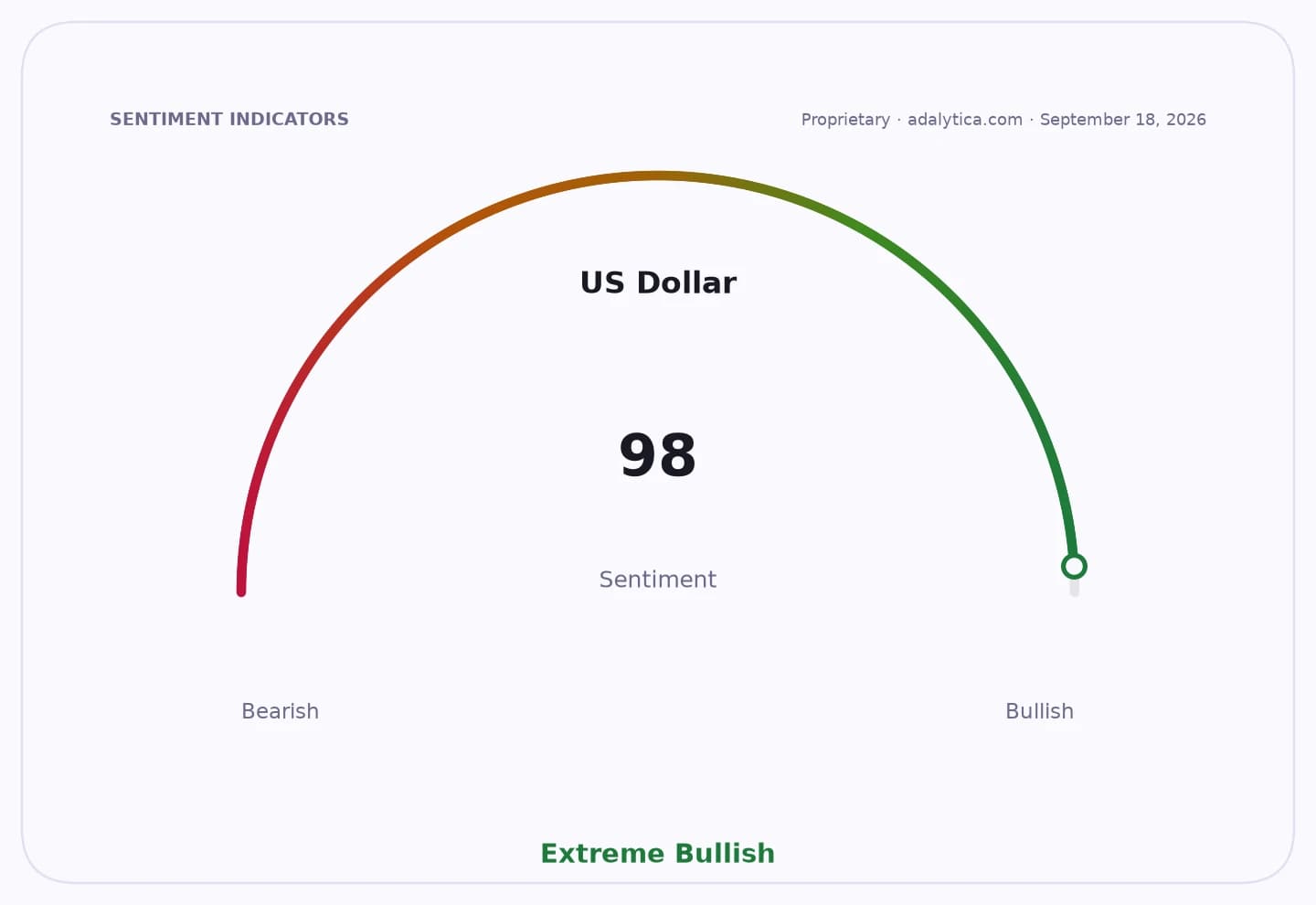
Sentiment IndicatorsⓘProprietary · adalytica.com · September 25, 2026
This is a snapshot — live sentiment, awareness and momentum for 130+ markets update continuously in the dashboard.Open AlphaPulse
For the economy, the headline number matters because a larger debt stock narrows fiscal room just as Turkey continues to manage inflation, refinancing needs and growth support. The bigger the debt pile, the more sensitive budget dynamics become to borrowing costs and the exchange rate, both of which feed directly into debt servicing expenses. That can force a trade-off between deficit control, social spending and policy support for growth.
For investors, the mix of the debt matters as much as the level. A heavy foreign-currency component can magnify stress in periods of lira volatility and increase the state’s financing risk premium. Local bondholders will watch whether Treasury funding is being extended at tolerable rates, while FX investors will focus on whether the debt profile adds to pressure on the currency or raises the likelihood of more issuance into domestic markets.
The data fits a broader pattern in emerging-market public finance: governments are carrying larger liabilities at a time when global debt has climbed sharply and investors are more selective about sovereign risk. Turkey’s position is not a balance-sheet crisis story on this reading alone, but it is a reminder that fiscal credibility, inflation restraint and currency stability remain tightly linked. The next test will be whether borrowing needs can be met without worsening the lira’s fragility or pushing up the Treasury’s cost of funding.
| Entity | Gains | Losses |
|---|---|---|
| Treasury / government | ▲Larger funding capacity | ▼Higher interest and FX risk |
| Lira bond investors | ▲More domestic issuance opportunities | ▼Inflation and duration risk |
| FX debt holders | ▲Potentially higher yield pickup | ▼Lira depreciation exposure |
| Turkish taxpayers | ▲Short-term policy support | ▼Future debt-service burden |