Turkey’s Financial Stability Committee is trying to draw a line under a bout of violent market swings that has wiped out funds, jolted investors and forced state intervention in the Istanbul stock exchange. Officials say the turbulence does not amount to a structural threat, but the scale of the selloff and the response from regulators show how quickly confidence can fracture in one of emerging markets’ most closely watched and politically sensitive financial systems.
Turkey stocks, lira hit by market turmoil
The immediate concern is not just daily price action in equities but the strain on market plumbing. About 130 funds have been liquidated and more than 500,000 investors affected, according to the context provided, after roughly $18.3 billion in capital outflows. That is large enough to matter for domestic liquidity conditions, asset pricing and household wealth, even if authorities argue the damage is contained. The lira itself has remained under pressure, with dollar/TRY trading near 48.8, underlining how Turkey’s equity market stress sits inside a broader story of fragile financial credibility.
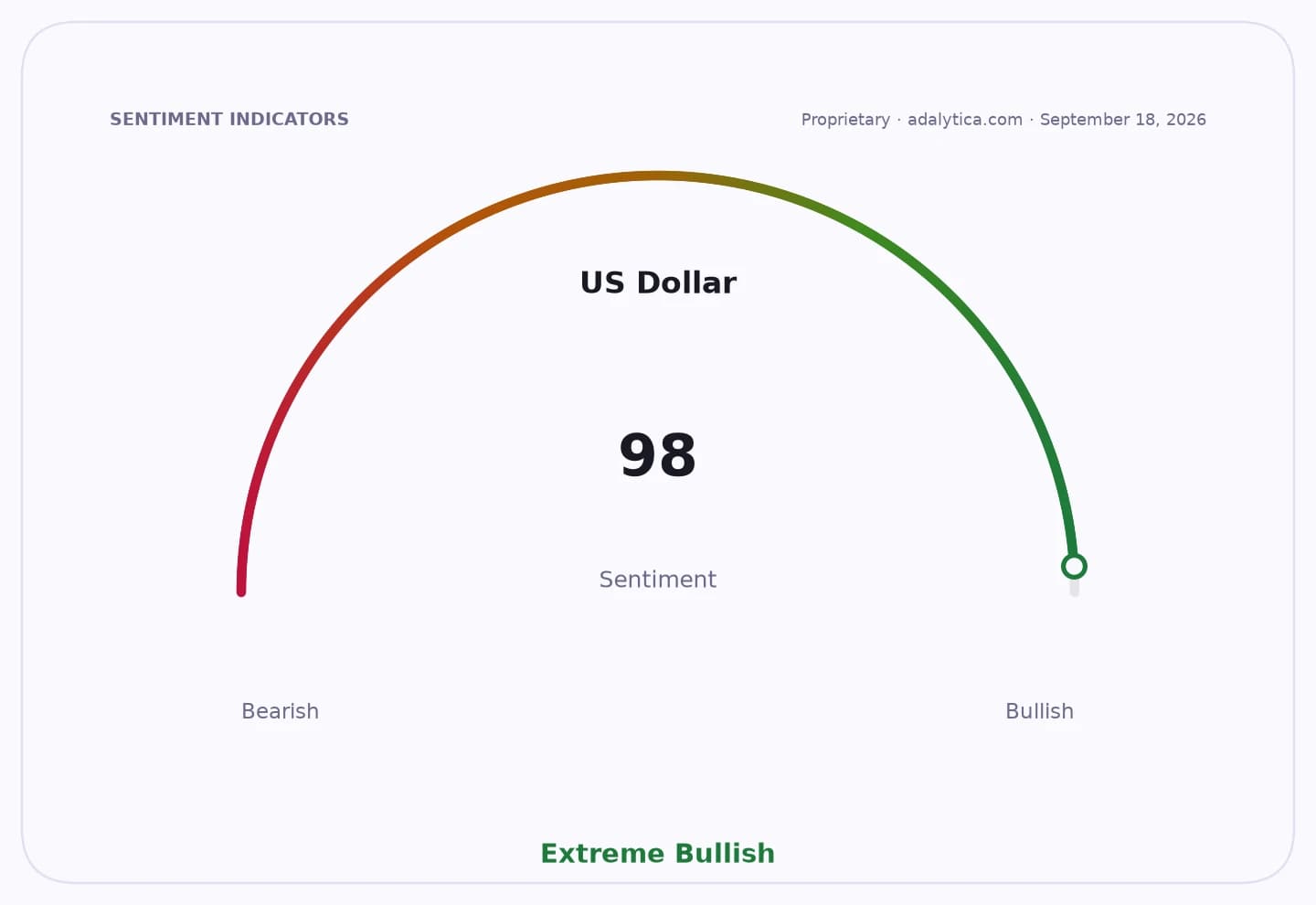
Sentiment IndicatorsⓘProprietary · adalytica.com · September 18, 2026
This is a snapshot — live sentiment, awareness and momentum for 130+ markets update continuously in the dashboard.Open AlphaPulse
The state’s response has been direct. The Turkey Wealth Fund stepped in to buy stocks after the main exchange fell 5.54% in a single session, while the central bank increased repo financing and eased liquidity conditions to steady funding markets. Those moves may help prevent forced selling from spilling over into a wider credit event, but they also reinforce the view that the market still relies heavily on official backstops. The arrest of four fund executives on manipulation charges adds a governance dimension that matters as much as the price action itself: investors tend to discount markets where regulatory enforcement is sudden, selective or politically charged.
For investors, the crucial question is whether this is a temporary dislocation or a sign of deeper structural weakness. The committee’s assertion that there is no structural risk will reassure some local participants and may help limit panic selling in the short term. But the combination of liquidations, capital flight and state purchases points to a market still vulnerable to confidence shocks. Turkey’s benchmark ETF, the iShares MSCI Turkey ETF, has been volatile and remains well below this year’s highs despite a rebound, suggesting foreign investors are not yet treating the episode as a clean buying opportunity.
The macro backdrop makes that caution understandable. Turkey has spent years fighting inflation, currency weakness and periodic bouts of policy credibility stress, and the latest episode shows how quickly those pressures can spill into asset prices. A calm equities market would normally indicate improving transmission from policy to financial conditions; instead, the need for intervention suggests transmission remains brittle. That matters because local equities are not just a trading vehicle — they are a funding source, a savings outlet and a barometer of confidence in the broader policy regime.
The bull case is that authorities are responding fast enough to stop the problem from becoming systemic. Repo support, state buying and prosecutions could stabilize the market and deter further abuse. The bear case is that intervention masks rather than resolves the underlying fragility, and that investors may demand a higher risk premium until they see consistent policy, stronger oversight and less reliance on ad hoc support.
For now, the key catalyst is whether outflows slow and whether domestic institutions can absorb selling without further state-led intervention. If they can, the episode may fade into a sharp but contained volatility shock. If not, Turkey’s claim that there is no structural risk will be tested by a market that is already showing how expensive a loss of trust can be.
| Entity | Gains | Losses |
|---|---|---|
| Turkish authorities | ▲Short-term stability | ▼Credibility if volatility returns |
| Local investors in liquid funds | ▲Support from intervention | ▼Redemptions and losses |
| Short sellers / risk traders | ▲Volatility opportunities | ▼Intervention-driven squeezes |
| Foreign investors | ▲Potentially cheaper entry points | ▼Confidence in market governance |