Turkey’s stock market is still reeling after regulators froze more than 100 funds, arrested top finance executives and revealed an investigation tied to roughly $20 billion of investor money, an episode that has shaken confidence well beyond Istanbul’s trading floor.
Turkey stocks fall after fund probe and arrests
That matters because market crises are rarely just about prices. When authorities step in this aggressively, they are signaling that the problem has moved from a bad week for shares to a credibility test for the entire financial system. For Turkey, where domestic savers have increasingly used equities and funds as an inflation hedge, the fallout risks hitting household wealth, bank funding and the government’s efforts to keep capital at home.
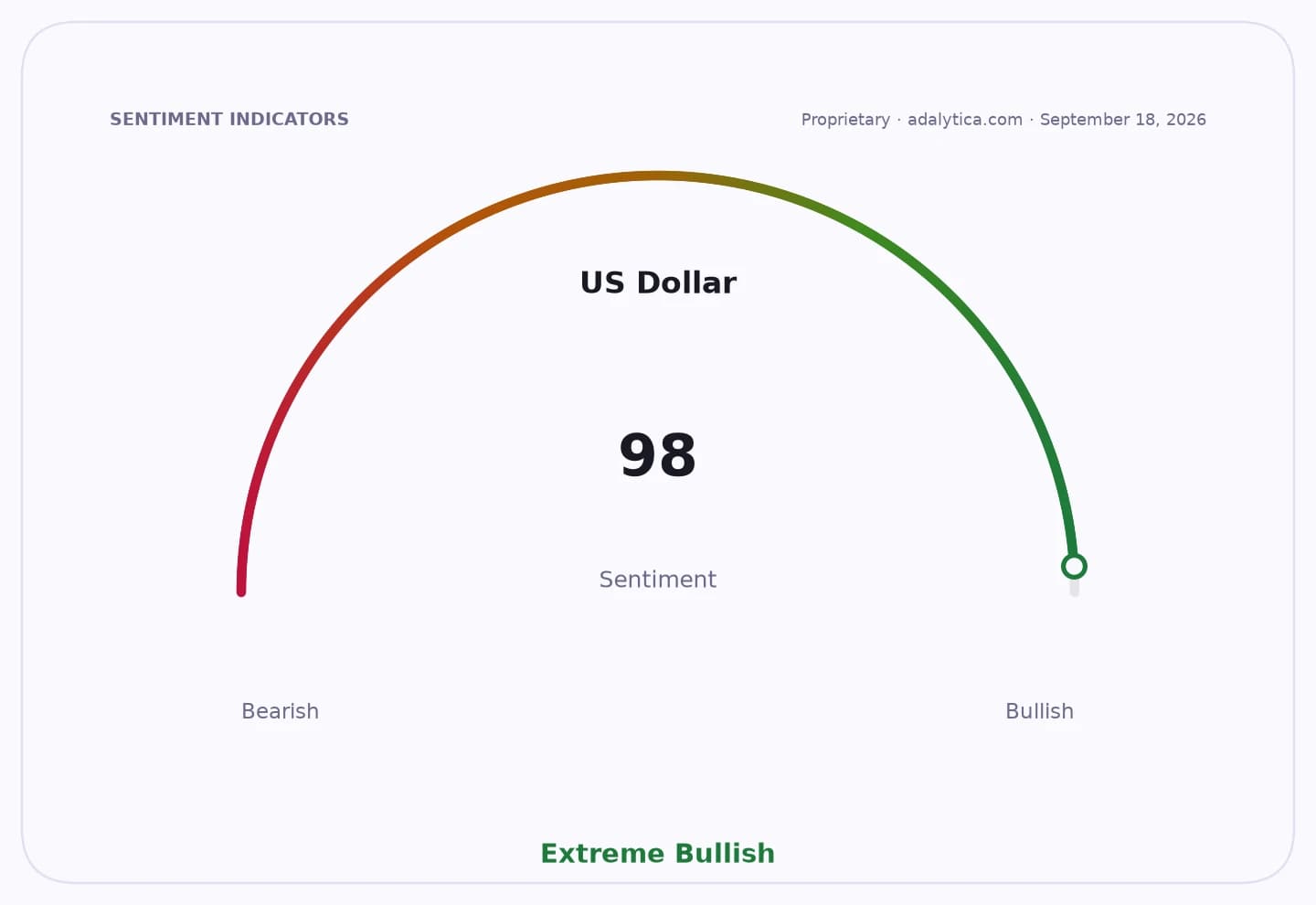
Sentiment IndicatorsⓘProprietary · adalytica.com · September 20, 2026
This is a snapshot — live sentiment, awareness and momentum for 130+ markets update continuously in the dashboard.Open AlphaPulse
The Borsa Istanbul 100 has already been buffeted by a 10% plunge this week, even after a partial rebound on Thursday. On Friday, the benchmark was again under pressure, down as much as 1.6%, while the banking index improved but did not erase the damage done across the broader market. Among roughly 550 listed companies, 367 fell in the latest session and about 170 dropped 5% or more, a sign that the selloff is still broad rather than isolated.
The center of the storm is a cluster of investment firms, especially Tera Portfoy and Pusula Portfoy. Regulators ordered the liquidation of 130 funds and later said they would wind up more than 100 funds managed by Tera, Pusula and five other vehicles. Authorities also imposed trading bans and brought criminal allegations that include stock-price manipulation. Several executives were detained, among them Tera and Pusula figures, along with the chairman of Destek Holding and the head of Hedef Holding.
For investors, the scale is what makes this dangerous. The funds under review represented about $20 billion in investments and more than 350,000 people were exposed to the unwind. In a market where confidence can disappear quickly, the combination of forced liquidation, arrest headlines and accusations of abnormal returns is exactly the sort of shock that drives money to the sidelines.
That helps explain why the damage has spread beyond the firms directly in the line of fire. Small-cap stocks have been especially hard hit, and the sharp swings suggest investors are questioning how much of the recent rally was real and how much was built on leverage, concentration or aggressive trading. Tera, which managed about $15 billion and reported a fund return of more than 66% over three years, is now at the center of the inquiry precisely because those numbers looked too good to be comfortable.
Turkey’s financial authorities insist the problem is temporary and manageable. The central bank has already moved to add liquidity and adjust bank lending limits, while the Financial Stability Committee tried to calm markets after an emergency meeting. But markets usually care less about official reassurance than about whether authorities can stop forced selling from feeding on itself.
That is why the next few sessions matter. If the BIST 100 and banks can stabilize, the episode may end up as a painful but contained cleanup. If not, the bigger risk is a longer loss of trust in Turkish capital markets, which would raise the cost of funding for companies, discourage foreign money and keep domestic investors defensive. For long-term investors, this remains a country-specific risk story, not a reason to chase the panic. Turkey is worth watching closely, but only with patience and a high tolerance for volatility.
| Entity | Gains | Losses |
|---|---|---|
| Regulators | ▲Control narrative | ▼Market credibility |
| Small investors | ▲None immediately | ▼Savings and trust |
| Banks | ▲Liquidity support | ▼Contagion risk |
| Tera and Pusula-linked funds | ▲None | ▼Forced liquidation |